Full of history and culture

The charm of Kakunodate

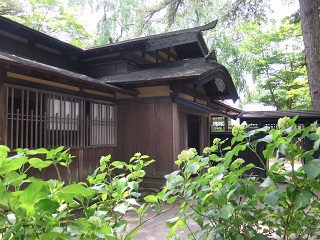
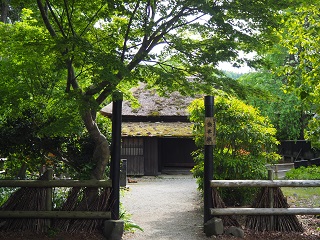
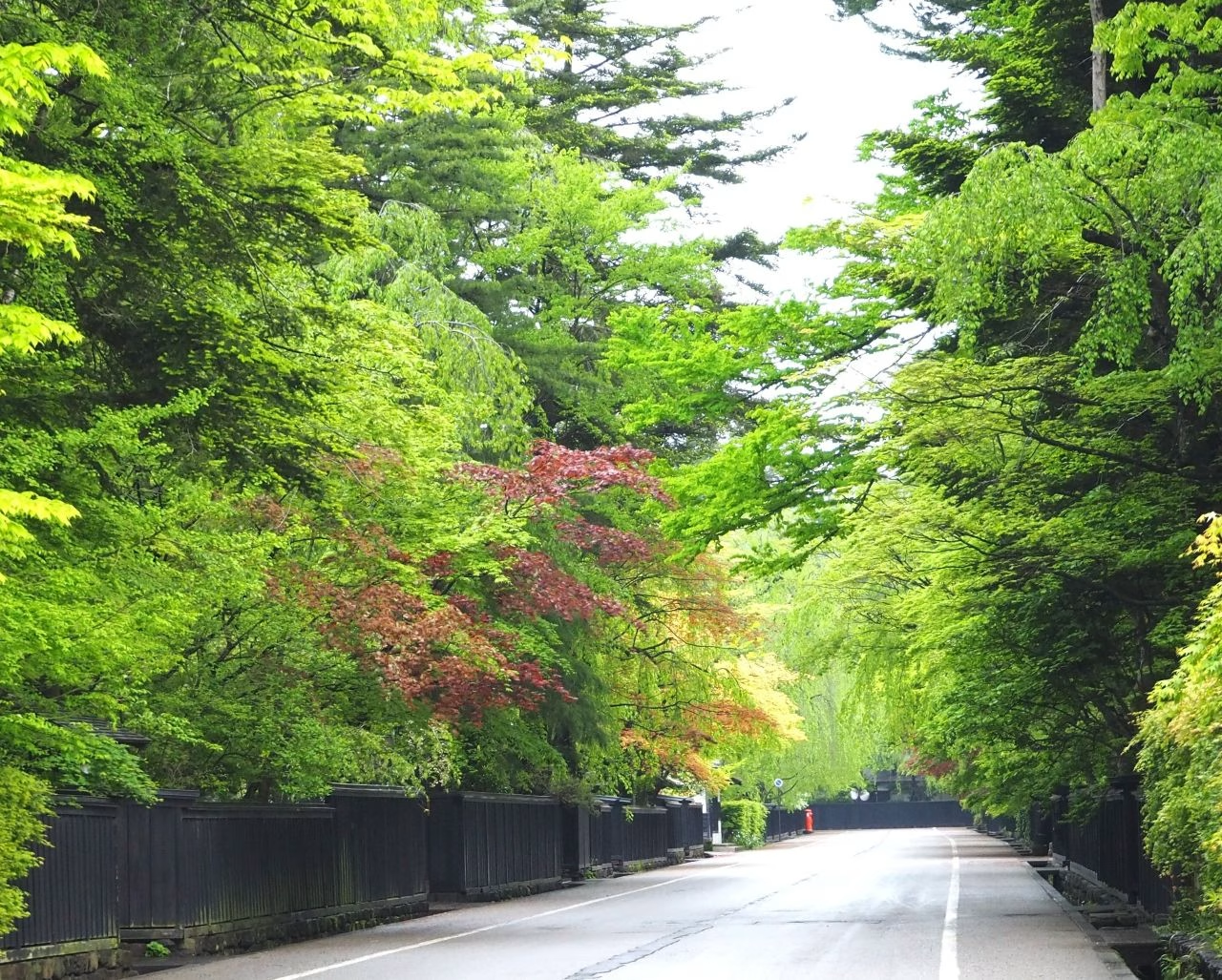
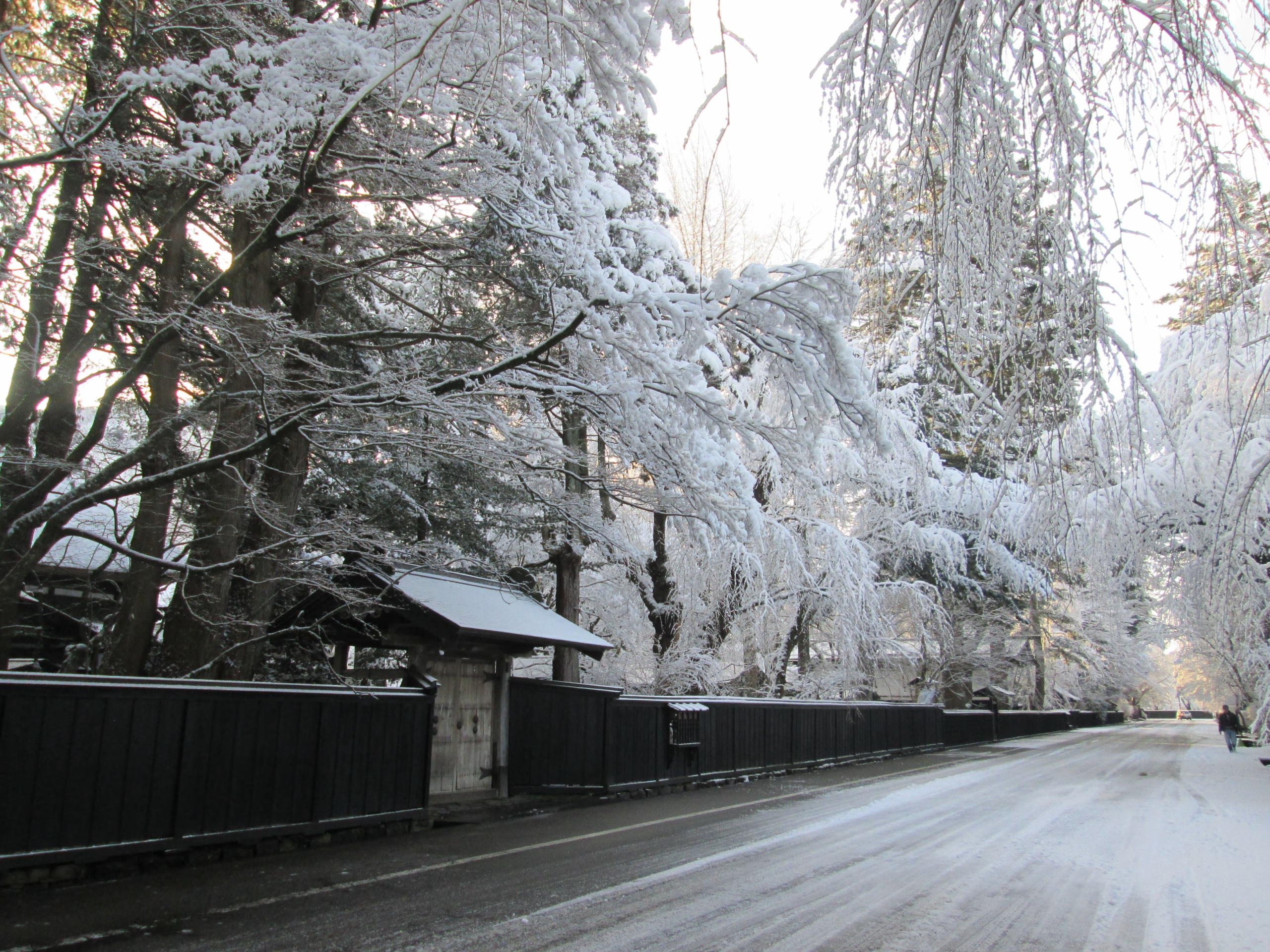
Traces of the castle town still remain It was the Ashina clan who created the townscape of Kakunodate that continues to this day in 1620 (Genwa 6), at the beginning of the Edo period. After that, it flourished as a castle town for the Satake clan. The city area developed along the Tamagawa and Hinokinaigawa rivers, and surrounded by mountains on three sides, this town is a tourist attraction with a charm that is truly worthy of being called "Little Kyoto of the Michinoku region," with its beautiful historic samurai residences and rows of cherry blossom trees.
Kakunodate area #Experience and See #Art museums and archives #Family #History and Culture #Townscape and Architecture #Traditional Crafts #visit #Tradition and Culture #building #history #Townscape
Get directions

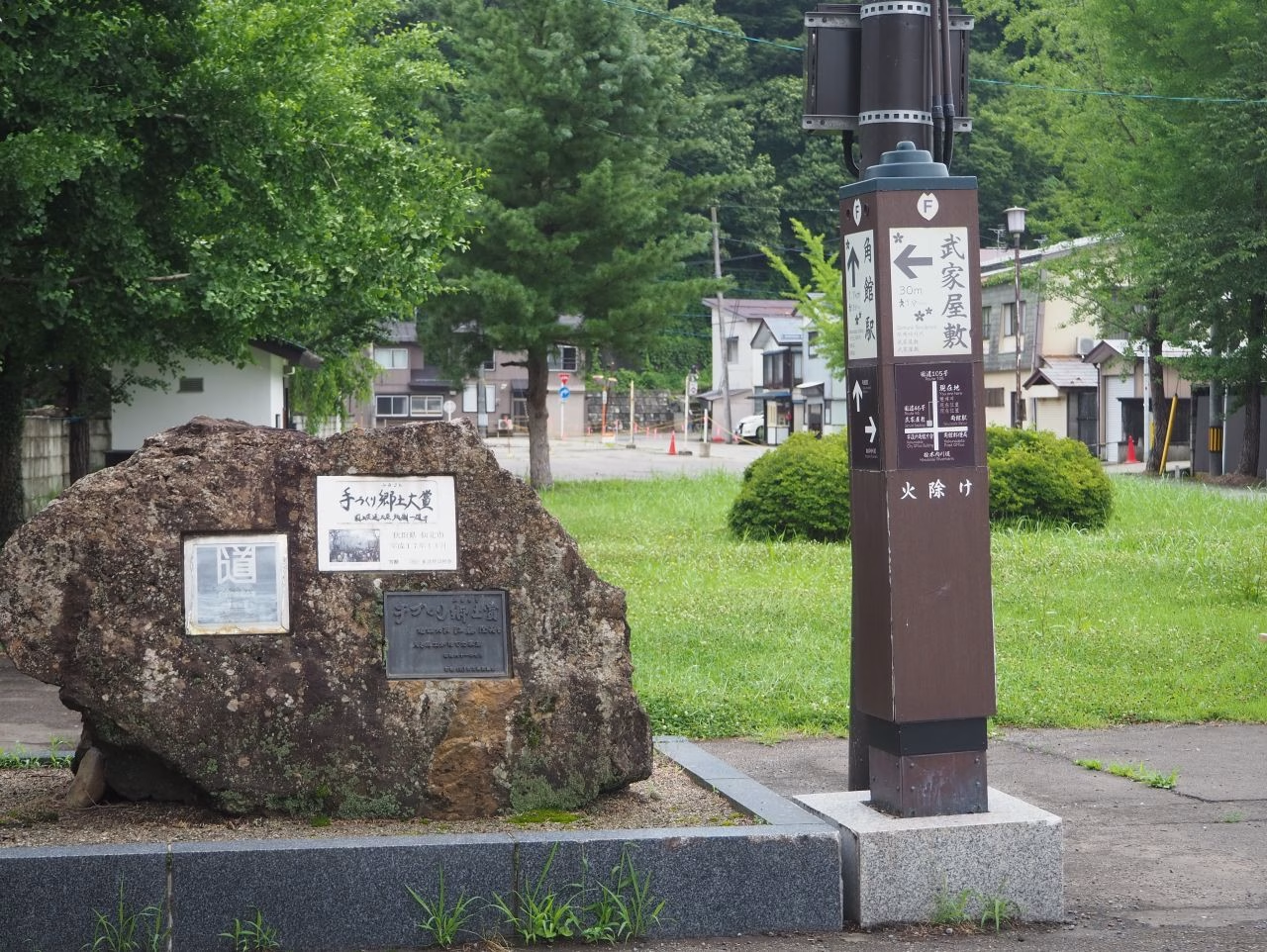
The town was divided into two areas, “Uchimachi” (inner town) where samurai residences were lined up on the north side, and “Tomachi” ( outer town) where townspeople and merchants lived on the south side, with a square called “Hiyoke” (fire prevention area) at its center. Information about Samurai Residences Paid facilities Ishiguro House / Kakunodate Historical Village Aoyagi House / Kawarada House Free facilities Iwahashi House / Odano House / Matsumoto House

According to the document, “A line was drawn 382 ken (approximately 687 meters) south from the base of Mt. Furushiroyama, running east to west, as a firebreak. An open area 12 ken (approximately 21 meters) wide and 160 ken (approximately 288 meters) east to west was created, and a 1 jō (approximately 3 meters) high earthen rampart was built a little south of the center, completely separating the inner and outer towns .” It is said that the firebreak was built to prevent the ignition of the inner town in the event of a fire in the outer town. In addition, a wooden gate was set up in the middle of the rampart, which was closed at night. Perhaps it was effective not only in preventing fires, but also in keeping suspicious people out?

The town layout, which was divided into a samurai society in the north and a merchant and artisan society in the south, has remained unchanged for over 400 years.When you visit Kakunodate, be sure to enjoy sightseeing while imagining the lives of the samurai and townspeople of the past.

"Cho" and "machi"

"Cho" and "machi"

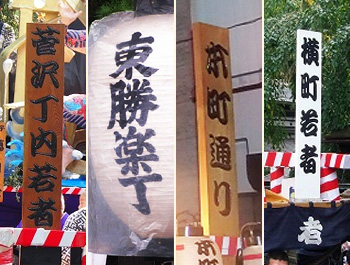
Some neighborhood names in Kakunodate have “cho” in them, such as “Omotemachi Shimocho/Kamicho” and “Higashishorakucho,” while others have “machi” in them, such as “Iwasemachi” and “Shimoshinmachi.” This is because neighborhood names where samurai lived have “cho” in them, and merchant neighborhoods have “machi” in them. One of the charms of Kakunodate is that the place names still retain traces of history from hundreds of years ago. (The photo on the right is from a festival in Kakunodate.)

basic information

address Kakunodate Town, Senboku City, Akita Prefecture
View nearby spots

Nearby spots

Return to the list of spots