
START
Welcome to Kakunodate
JR East Kakunodate station
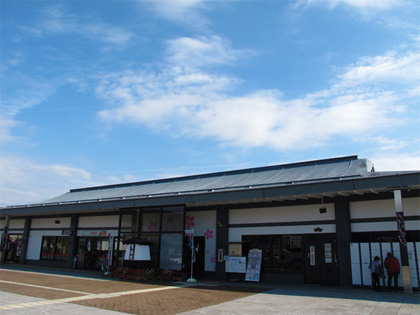
It's only 6 stops on the Akita Shinkansen from Tokyo Station!!
Learn moreApproximately 15 minutes: Go straight along the street in front of the station and you will see Kakunodate Post Office in front of you. Turn right at the T-junction at the post office. After about 5 minutes from the post office, you will see Samurai Residence Street.
1
A magnificent samurai residence with a garden that exudes a dignified samurai atmosphere
Odano House (City designated historic site)
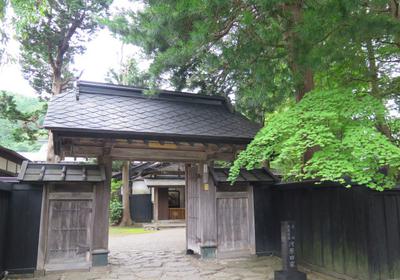
The Edo period residence was destroyed in a great fire in 1900 (Meiji 33), and the current residence was built after the fire. The layout is typical of early modern samurai residences, but has been simplified overall. It is the style of a mid-ranking samurai residence, with status determined by a raised kamachi (a raised entrance hall). Generations of families have excelled in martial arts, and there was once a Hayashizaki-ryu Iai dojo on the right side of the gate. The Odano family, from which Odano Naotake, famous for his "Akita Ranga," came, was a family that served under the Imamiya clan and later became a vassal of the Satake clan. A branch of the Odano family remains in the samurai residence today.
Learn moreApproximately 1 minute
2
Kakunodate Samurai Residences Street
Kawarada House (City designated historic site)
Approximately 10 minutes
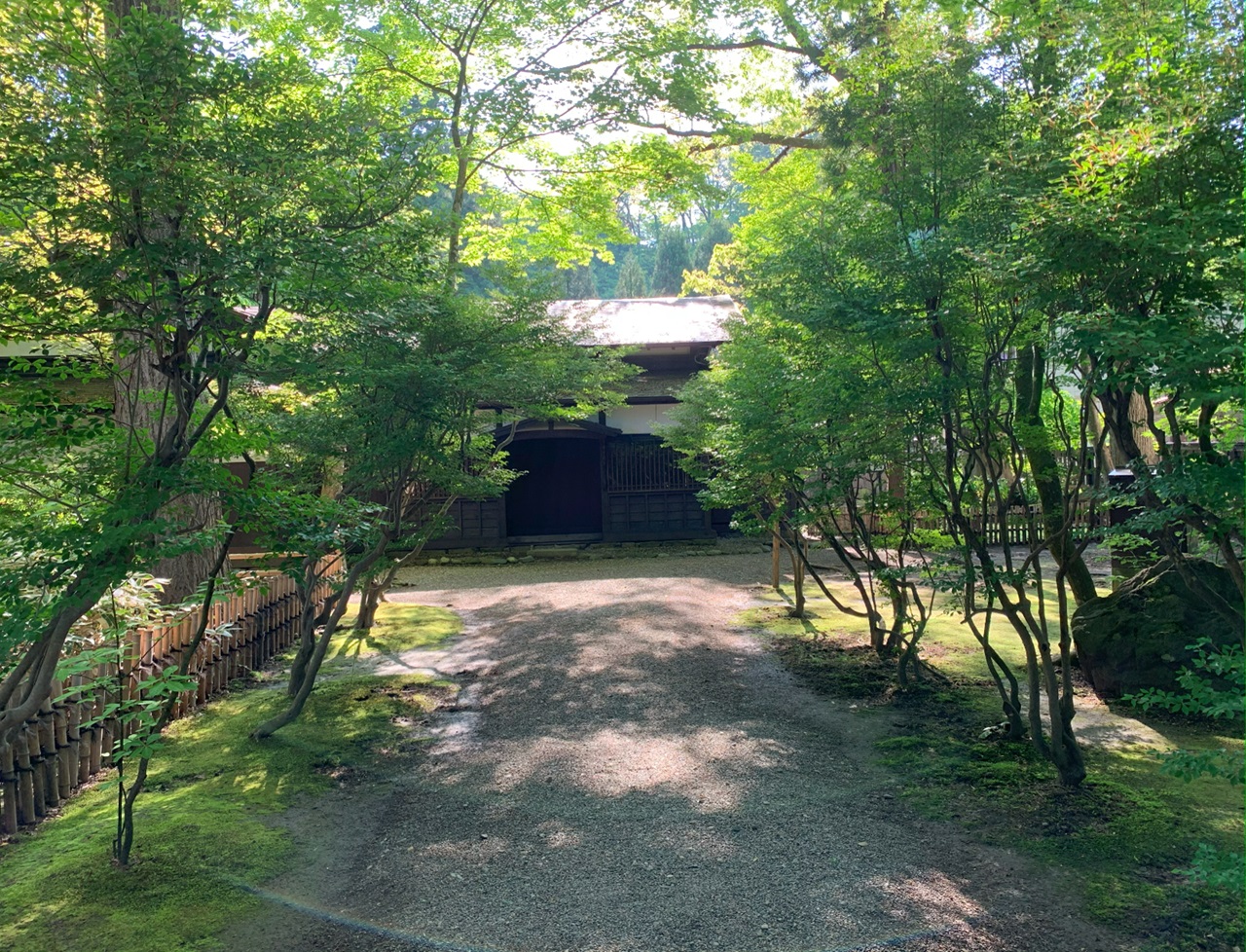
The Kawarada family, a mid-ranking samurai family, is structurally almost identical to the Aoyagi family, with its shoin-style tatami rooms and earthen verandas. The scattered buildings were moved from Uramachi to their current location in Higashishorakucho in 1891. The architecture remains unchanged from the feudal domain era. The Kawarada family was awarded Aizu Inan-go as a reward when Yoritomo conquered Mutsu in 1189, and served as hereditary retainers of the Ashina clan during the Sengoku period, and later as vassals of the Satake clan until the feudal domain was abolished. Various trees are planted within the estate, and the moss covering the ground is likened to flowing water, allowing the entire garden to be enjoyed as a landscape painting.
Learn moreApproximately 3 minutes
3
Kakunodate Samurai Residences Street
Iwahashi House (Prefecturally designated historic site)
Approximately 10 minutes
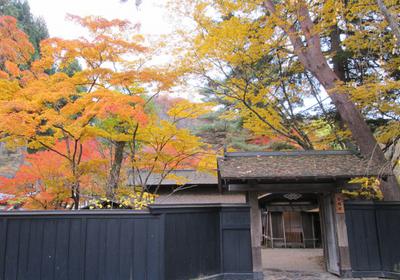
Sanzo of the Iwahashi family was a vassal of the Ashina family of Aizu, and while he was at the mercy of the fortunes of his master's family, he became a subordinate of the Satake Kita family, and although his stipend decreased, his family retained the style of a mid-ranking samurai's home. The Iwahashi family home, with its gabled roof and thatched roof, was originally thatched and has been in its current location since the Kyoho era, and was re-thatched around 1897. The oak tree planted on the property is a natural monument estimated to be around 300 years old, and is extremely rare inland, making it a symbol of Samurai Residence Street.
Learn moreApproximately 3 minutes
4
Kakunodate Samurai Residences Street
Matsumoto House (Prefectural designated tangible cultural property)
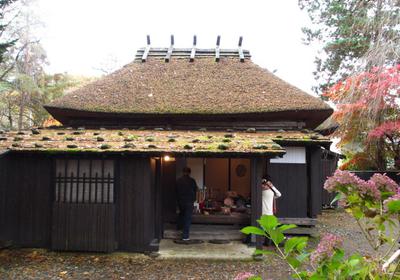
The Matsumoto family, a vassal of the Satake clan and subordinate to the Imamiya clan, is a residence for low-ranking samurai located on the north side of Kobitomachi. The main house has a thatched roof, and the front eaves are covered with cedar bark and stone roofing. The house has a simple structure with two gateposts and a brushwood fence surrounding it. The house, which has a bedroom in a separate building, is said to have been built around the end of the Edo period. You can watch a demonstration of itaya craftsmanship in the tatami room.
Learn moreApproximately 5 minutes
5
Reviving a cultural heritage: Kakunodate's iconic samurai residence
Aoyagi House (Prefectural designated historic site)
Approximately 30 minutes
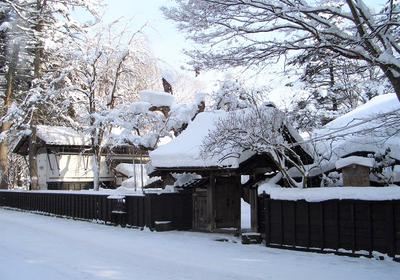
The Aoyagi family, who live on spacious grounds, were originally vassals of the Ashina clan, but after the Ashina clan became extinct, they became vassals of the Satake North clan. Facing the road, a black-painted "sashishi fence" with a peephole continues, and the Yakuimon gate with its eight-ply metal fittings has a shingle board inscribed with the name of master carpenter Shibata Iwataro from 1860. This house, which fully conveys the architectural style of a samurai residence, is an impressive residence of a high-ranking samurai, exuding elegance amidst its stately appearance, with its main house with a thatched hipped roof, Yakuimon gate, storehouse, and walls.
Learn moreApproximately 2 minutes
6
The only samurai residence in Kakunodate where direct descendants continue to live and pass on the legends of the samurai
Ishiguro House (City designated historic site)
Approximately 20 minutes
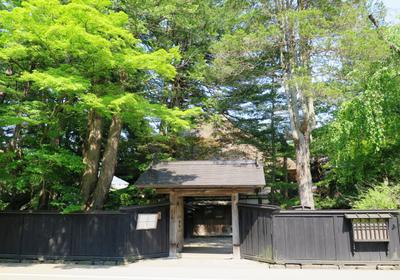
Located at the northern end of Samurai Residence Street, the Ishiguro family home was a prestigious residence for a high-ranking samurai, with the main house, gate, walls, storehouse, and other elements preserved in their original Edo-period appearance. A black wooden fence with a peephole surrounds the road, making it the oldest surviving samurai residence. The Yagyumon gate bears a wooden board with an inscription dated April 27, 1809 (the sixth year of Bunka), evoking its age and grandeur. Entering the gate are the main entrance and a side entrance; having two entrances was a sign of a high-ranking samurai. The main house is thatched, and the garden, with its moss representing water, exudes the dignity of a samurai home amidst its simple appearance.
Learn moreApproximately 1 minute
7
Kakunodate Samurai Residences Street
Kyu Ishiguro(Kei)ke
Approximately 20 minutes
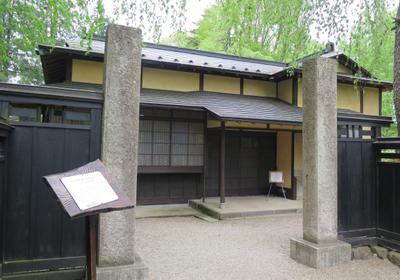
The former Ishiguro (Megumi) House was designed and built in 1935, and is a branch of the Ishiguro family samurai residence. It combines a traditional Japanese-style house with a Western-style room, and they share a common entrance, creating a continuous connection. It is a valuable cultural heritage site that allows us to see how the style of housing has changed over the years as the eras have changed from the Edo period to the Meiji, Taisho, and Showa periods.
Learn moreApproximately 25 minutes
GOAL