
START
JR East Kakunodate station
すぐ
1
Please feel free to contact us with any questions about sightseeing in Kakunodate.
Semboku City Tourist Information Center "Kakunodate Station Storehouse"
10~15分
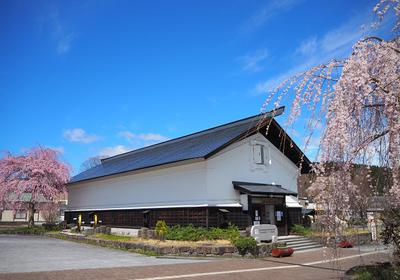
JR角館駅前にある、角館散策の拠点となる観光案内所です。
この蔵造りの建物は元は農協の倉庫で、昭和7年(1932年)に産米の収納貯蔵を目的として建てられました。昭和40年代からは鉄道輸送から道路を利用した運送に変わり、駅に隣接した倉庫は不要となっていきました。
この農業倉庫は、旧生保内線全盛期に建てられ、秋田新幹線開通を機会に保存修景を加え再び活用されることになった記念的建物です。
関連情報
仙北市観光情報センター「角館駅前蔵」
住所:〒014-0369 秋田県仙北市角館町上菅沢394-2(角館駅前)
約7分
2
Shoanji Temple
約10分
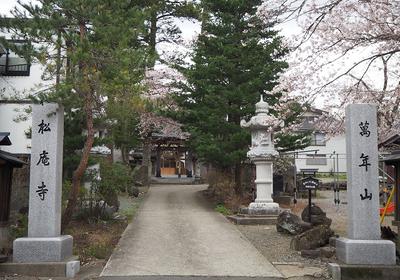
Shoanji Temple is the family temple of the Imamiya family and the samurai group living in Tamachi. A monument commemorating Odano Naotake, a samurai from Kakunodate who drew the anatomical diagrams for Kaitai Shinsho, stands to the right of the temple gate. His talent was discovered by Hiraga Gennai, and he went to Edo, where he contributed to the development of Akita Western painting. In the cemetery behind the main hall, there is a small grave inscribed with the words "Zetsugaku Genshin Shinshi." This is the grave of Odano Naotake, and it seems to tell the story of his life, which was a crossroads of glory and misfortune.
Learn more約3分
3
Tenneiji Temple
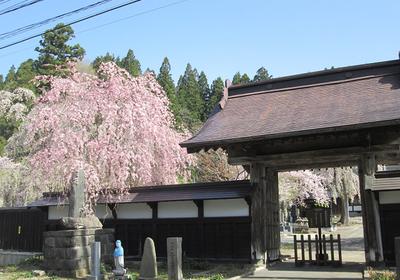
There is a temple called Tennei-ji in Aizuwakamatsu city, and this temple is an offshoot of it. Kakunodate was under the control of the Ashina clan for about 50 years before the Satake clan took control. The Ashina clan were originally the lords of Kurokawa Castle in Aizu, and Tennei-ji is the family temple of the Ashina clan. The temple gate of Tennei-ji was built in 1791 (the third year of the Kansei era), and is said to have been a relocated gate from Kakunodate Castle. In addition, the graveyard of the Ashina clan, which died out after three generations, is located behind the main hall, and even today some townspeople visit to pray, but the three generations of the Ashina clan rest in peace.
Learn more約3分
4
五井家(外観のみ)
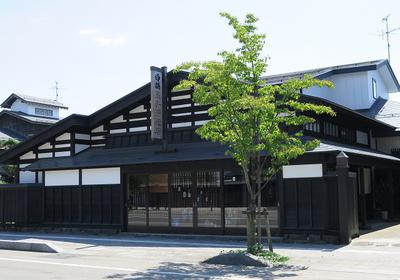
He was a wealthy merchant during the feudal era and served as a purveyor to the domain. He was originally a member of the Hazu Fujiwara clan and a nobleman in Kyoto. He was bestowed the rank of Shogoi (Senior Fifth Rank), but the "I" in his name was changed to "Ido" (well). The Goi family home is where Odano Naotake, a samurai from Kakunodate who drew the anatomical diagrams for Kaitai Shinsho, met Hiraga Gennai. Hiraga Gennai discovered Naotake's artistic talent when he saw a folding screen painting hanging in his room during a stay. With permission from Satake Yoshiatsu (Shozan), the lord of the Akita domain, Gennai invited Naotake to his home in Edo and immediately began work on the anatomical diagrams. Considering how much Kaitai Shinsho contributed to the development of academic studies in Japan, the Goi family home has become a historic place.
Learn more約5分
5
Yakushido Hall of Jojuin Temple
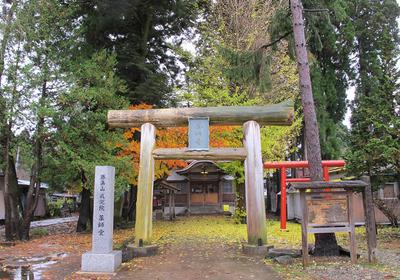
When Kakunodate's current town of Shoraku was still called Shoraku Village, there was a village shrine dedicated to Yakushi Nyorai (Medicine Buddha) and it was called "Mine no Yakushi-san." When Kakunodate Castle lord Tozawa Noto-no-kami fell ill with eye disease, he prayed to this Mine no Yakushi and was miraculously cured. He then built a remote worship hall for Yakushi within the castle and prayed there, and his wishes were granted, so it was named Jojuin Yakushi-do. The Yakushi, who has protected the land and people of Kakunodate for over a thousand years, remains a deity in the hearts of the townspeople. Every year, on September 8th, the entire town gathers for the evening festival, and on the 9th, the main festival, with floats and a portable shrine from the Yakushi-do parade. Behind Yakushi-do is Hoshin-ji Temple, associated with the Tozawa clan, who ruled during the Sengoku period. In 1620, the Ashina clan moved the temple to its current location, where the graves of Kakunodate's wealthy merchants, including the Goi family, are located. If you have time, please...
Learn more約2分
6
Jokoin Temple
約10分
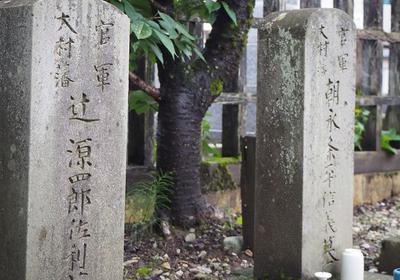
This is the family temple of the Satake Kita clan, the head of the Satake clan that ruled Kakunodate during the Edo period. The main gate, built in 1753 (the third year of the Horeki era), is the oldest in the town. The main gate of the neighboring Hoshinji Temple was also built around the same time. The main hall, built in 1763 (the third year of the Horeki era), is also impressive. The graveyard of the Satake Kita clan is located behind the kuri (temple priest's quarters), but it is not open to the public and cannot be entered. Kakunodate was a battlefield during the Boshin War, and the clan won with reinforcements from various Kyushu domains. Samurai who died in battle in Kakunodate and its surrounding areas in the early Meiji era are buried here. Relief soldiers from Choshu, Hirado, Omura, Satsuma, and Kokura are buried here, but the Omura clan's war dead were later moved to the Omura Imperial Army Cemetery. The rest of the war dead continue to rest here, far from their hometowns.
Learn more約3分
7
Ioya
約5分
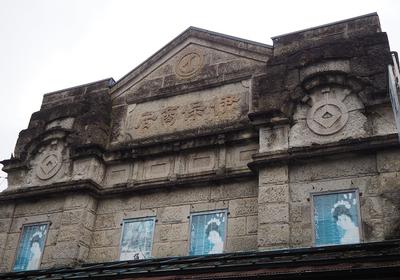
This is Iho Shoten (commonly known as Ioya). Built in 1924 (Taisho 13), it is a three-story Western-style building, which was very rare at the time. There are many temples in the surrounding area, so this building was quite eye-catching in the town. It was a general store with a wide selection of items, and it was said that there was nothing you couldn't buy in this store.
Learn more約3分
8
Founded 1876 kabazaiku of retail stores
樺細工 八柳
約15分
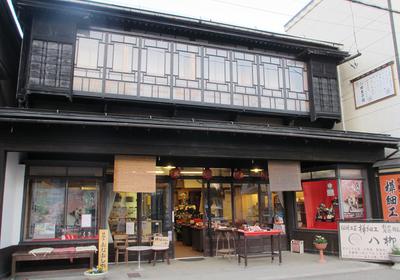
明治9年(1876)創業で、大正時代に下駄に初めて樺細工を施し、製造販売を始めました。毎年2月~3月に開催される「角館雛めぐり」では大正風の店のウインドーや奥座敷に雛人形が展示されます。
外装と内装は昭和初期に店舗改装されましたが、歴史的雰囲気を醸し出している模範的建築物であり、優れた景観の創出に寄与しているとして平成16年度「仙北市ふるさと景観賞」を受賞しています。
関連情報
樺細工八柳 下中町店
住所:〒014-0318 秋田県仙北市角館町下中町2
約2分
9
Tomachi Siryoukan Tatetsu
たてつ家
約20分
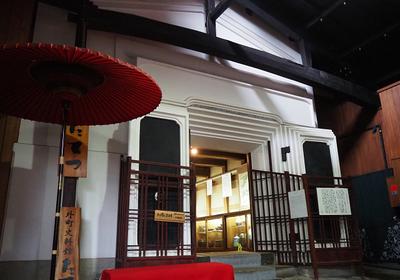
現存の建物は、明治33年に建てられたもので、商家の風情を現代に伝えています。
商家特有の奥行きの長い土間には奥座敷があり、代々受け継がれてきた雛飾りをはじめとして、その季節ごと楽しめる展示もされています。
土間の奥には内蔵があり、蔵の中にはたてつ家(田鉄家)の先祖が実際に使用していた趣味や生活用品などを「外町資料館 たてつ」として無料公開しています。この蔵には貴重な平福穂庵筆の押絵の原画も展示されています。
関連情報
角館桜皮細工センター本店(郵便局通り店)たてつ家
住所:〒014-0318 秋田県仙北市角館町中町25
約3分
10
カネダイ薬局・カネニ などの町の蔵(外観のみ)
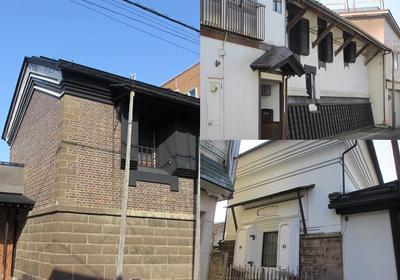
岩瀬町から下新町にかけては昔ながらの蔵を見ることができます。
多くの家の蔵は家の裏にあったり、家の中に造る内蔵だったりする為、道路に面して見える蔵は多くありません。昔は角館に200ほどの蔵がありましたが、年々数が減り50位かもしれません。
町を散策しながら、蔵造りの建物を探してみるのもオススメです。
約1分
11
Adding new moisture to your life: birch crafts
Fujiki Denshiro Shoten
約15分
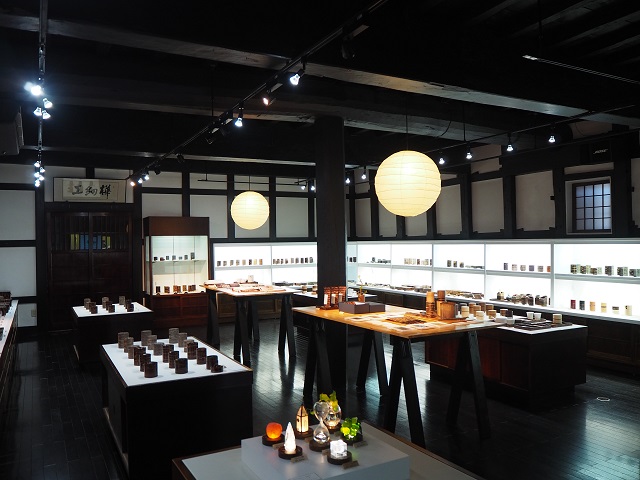
江戸時代 嘉永4年(1851年)創業の樺細工の老舗です。
秋田県仙北市で作られている伝統工芸品の樺細工は、山桜の樹皮を使用し作られます。山桜の樹皮は、剥がしても再生する環境にやさしい素材で、剥がして十分に乾燥させたのちに茶筒や箱、箪笥やトレーなどに加工されています。
江戸時代末期の蔵を改装し、樺細工販売とギャラリー店舗をオープンしました。
関連情報
藤木伝四郎商店
住所:〒014-0315 秋田県仙北市角館町下新町45
約3分
12
Founded in 1853, Ando's miso, soy sauce, and pickles continue to convey traditional flavors to the present day
安藤家
約20分
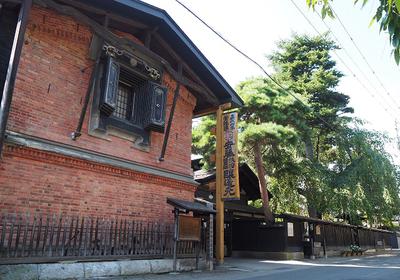
嘉永6年(1853)創業の味噌醤油の醸造元です。
明治15年(1882)の夏に火災で土蔵の一部を残して全焼してしまいました。その後早速再建が進み、母屋は明治17年に、蔵座敷は明治24年に完成しました。
火災に強い煉瓦造り蔵は、内部がお座敷になっていて土蔵の外側を煉瓦で囲んでいます。
店内にはいるとい土間に続く部屋があり、町家の一般的な形で、道路側から店内奥に向かって「ミセ(店)」「オエ(中の間)」「台所(居間)」と部屋があります。土間を挟んだ向かいに帳場があったそうです。
現在この煉瓦蔵と母屋の他に文庫蔵も無料で公開されています。
関連情報
安藤醸造 本店
住所:〒014-0315 秋田県仙北市角館町下新町27
約6分
13
Kakunodate Main Shrine Shinmei Shrine
約20分
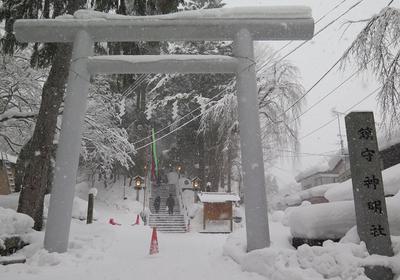
角館町の総鎮守でお伊勢堂とも言い、御祭神は天照大御神です。
戸沢氏の崇敬を受け、元は城廻り(古城山の麓)にありましたが、戸沢氏転封後は田町山へ遷宮し、さらに享保16年(1731)に現在地に移りました。
ご神体は伊勢神宮の御遷宮の時の社殿の材料を一片、箱の中に砂を敷いて立ててあると言う事ですが、見た人はいないようです。
神明社のある神明山の南の山続きに一段高い山があり、天神様が祀られています。この山には大村藩の少年鼓手 浜田謹吾の銅像があり、戊辰戦争の岩瀬川原の古戦場を見据えています。
毎年9月7日~9日に行われる角館祭りのやま行事では、7日に例祭と宵宮祭が8日には神幸祭が執り行われます。
Learn more約10分
14
旧角館製糸工場と太田家の蔵(外観のみ)
約5分
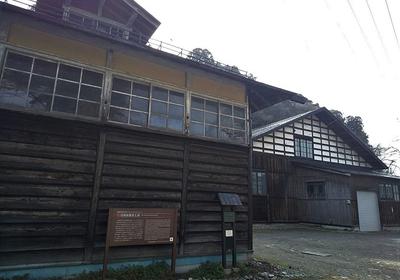
明治44年(1911)から大正7年(1918)まで操業していた製糸工場の建物が残っています。秋田県の有形文化財に指定されているこの建物は、流れ作業がし易いように細長く造られています。天辺の小さな屋根の窓、壁の上の方の窓は明り取りと通風のために設えました。糸を作り、布を織るための女工さんが大勢働いていたそうです。
武士の生活は優雅に思われますが、実際は苦しいもので角館では武士の内職として、樺細工の他に、養蚕、製糸、絹織物も盛んでした。
製糸工場の隣りには太田家の蔵があり、大きな木造の建物の中には蔵が二棟納められていて、普段は見ることができません。イベントなどで開放される機会にぜひご覧ください。
Learn moreすぐ
15
Another samurai residence street
Tamachi Samurai Residence Street
約6分
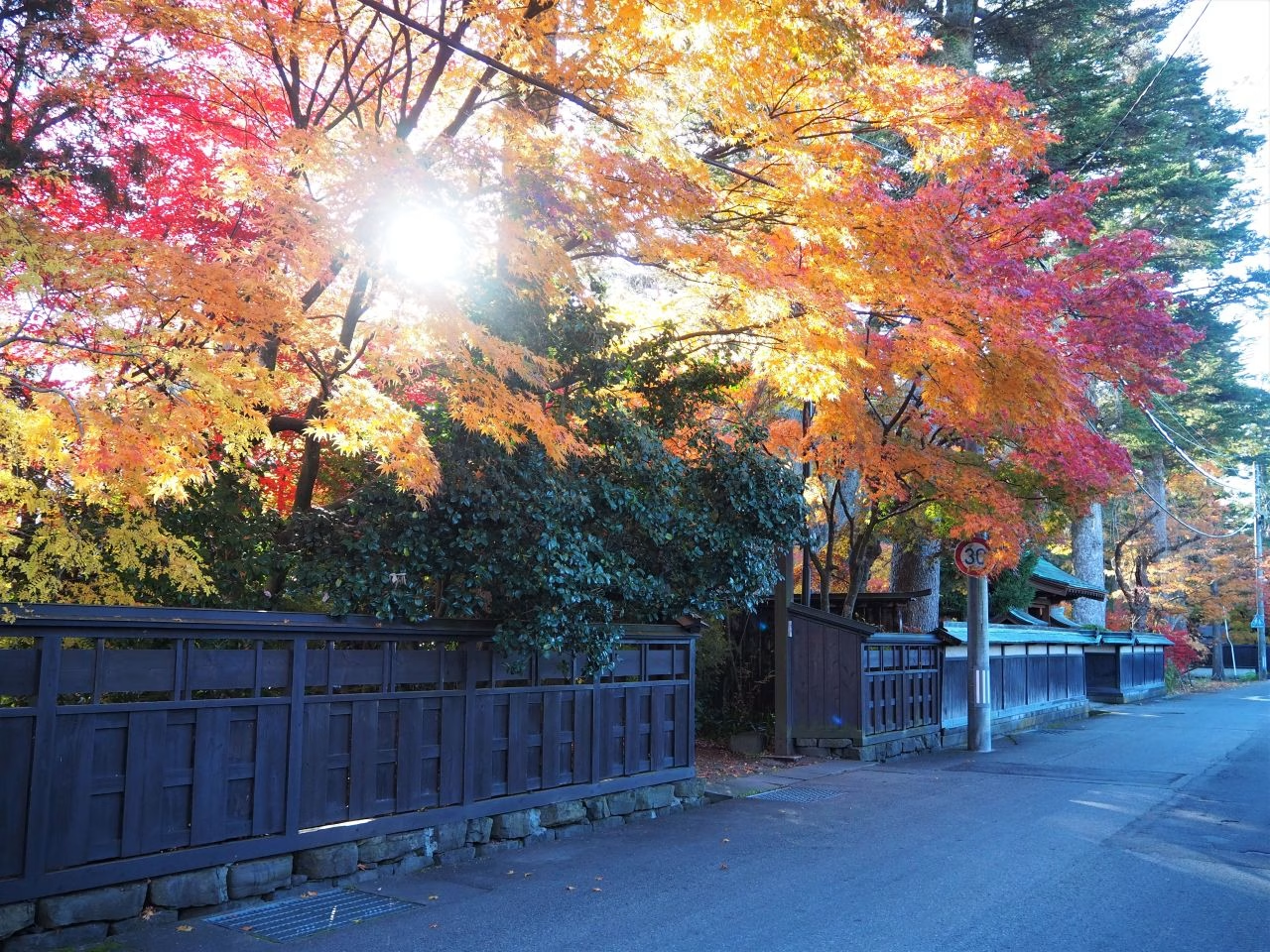
角館には武家屋敷通りが二か所にあります。内町と呼ばれる観光スポットが皆さんが訪れる佐竹北家支配の武士団が住んでいた区域になります。この田町は佐竹一門の今宮家の居住エリアでした。佐竹氏が二つの武士団が存在させたのには、互い同士を監視させ、反乱を防ぐ目的がありました。
現存する武家屋敷はありませんが、今でも武家の末裔がたくさん住んでいます。高い樹木が鬱蒼と茂り、薬医門や棟門、冠木門などいろいろな種類の門が見られ、かつての武家屋敷があった雰囲気を十分に味わえる通りとなっています。
関連情報
田町武家屋敷通り
住所:秋田県仙北市角館町田町
約4分
16
A Literature Museum and Library Where You Can Enjoy Akita Literature
Shinchosha Kinen Bungakukan
約30分
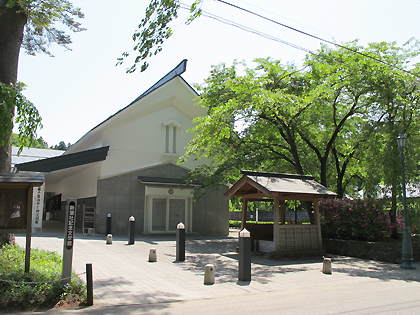
角館総合情報センターに教育施設や図書館、「新潮社記念文学館」が併設されています。
文学館や図書館には、国内有数の出版社である新潮社の出版物が数多く寄贈されています。というのも、新潮社を設立し初代社長となった佐藤 義亮(1878~1951)は、角館町の岩瀬町出身だったからです。大正9年(1920)郷里角館町に図書館が設置されたのをきっかけに「郷里の人々に、たくさんの本を読んでもらいたい」と自らの蔵書と社の出版物を寄贈したのは大正11年(1922)のことでした。
新潮社記念文学館は、新潮社を創設した佐藤 義亮の顕彰を目的に設けられ平成12年(2000)4月にオープンしました。
関連情報
新潮社記念文学館
住所:〒014-0311 仙北市角館町田町上丁23
約7分
GOAL