
Semboku City Photo Wedding Guide
Update date: 2026/2/27(Fri)
The colorful and majestic beauty of nature, the historical and tasteful scenery, the brilliance that can only be experienced at that moment… Why not create a page of memories that you will never forget?
INDEX
- Location Introduction - Lake Tazawa (Lakeside)
- Location Introduction - Samurai Residence (Kakunodate)
- Location Introduction - Nyuto Onsenkyo (Hot Springs and Beech Forest)
- Location Introduction - Akita Nairiku Jukan Railway (Matsuba Station)
- Location Introduction - Memories of Lagoon Branch School (Lake Tazawa)
- Hirafuku Memorial Museum of Art (Kakunodate)
- Location Introduction - Birch Crafts Museum (Kakunodate)
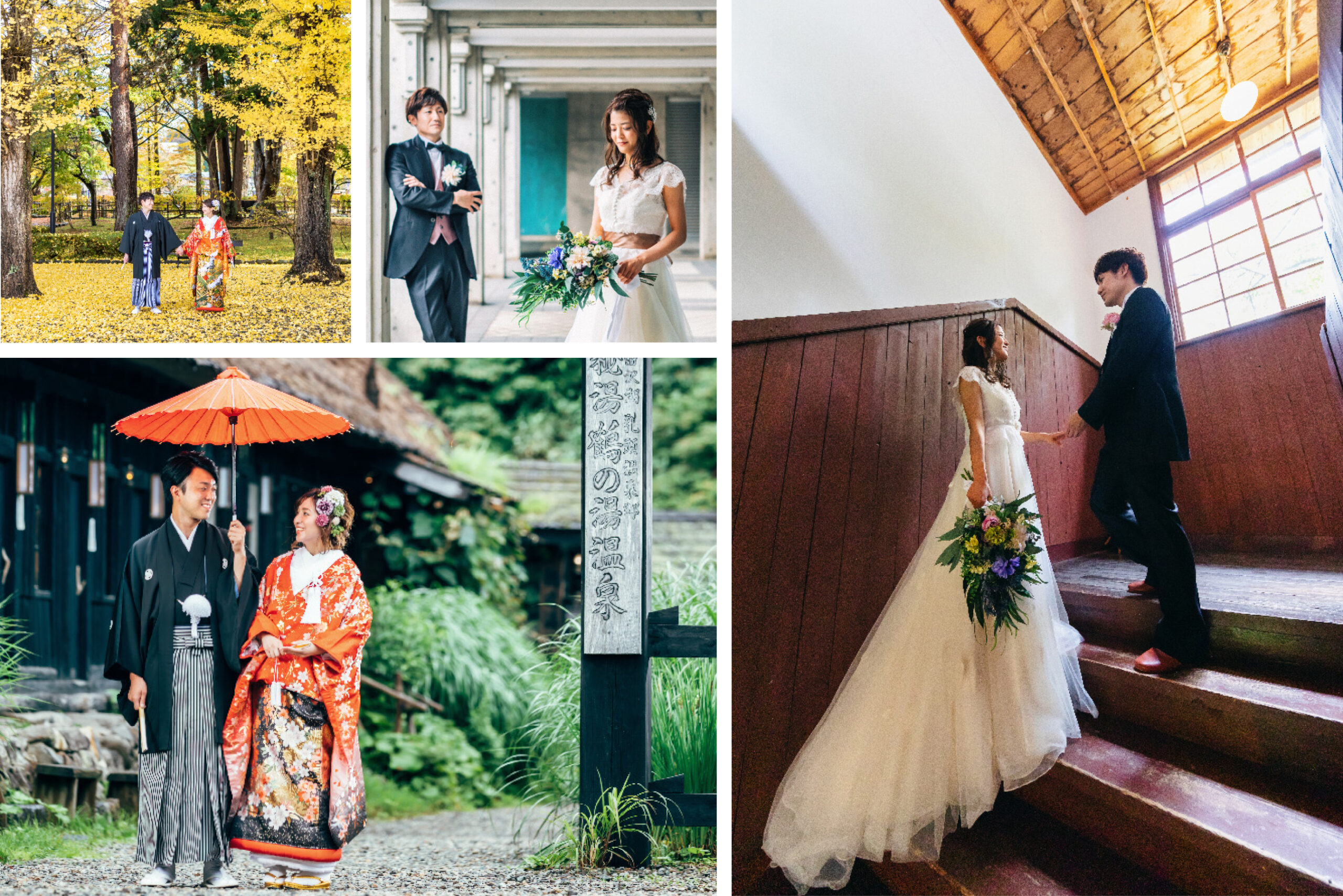
*Photographed with permission.
Location Introduction - Lake Tazawa (Lakeside)
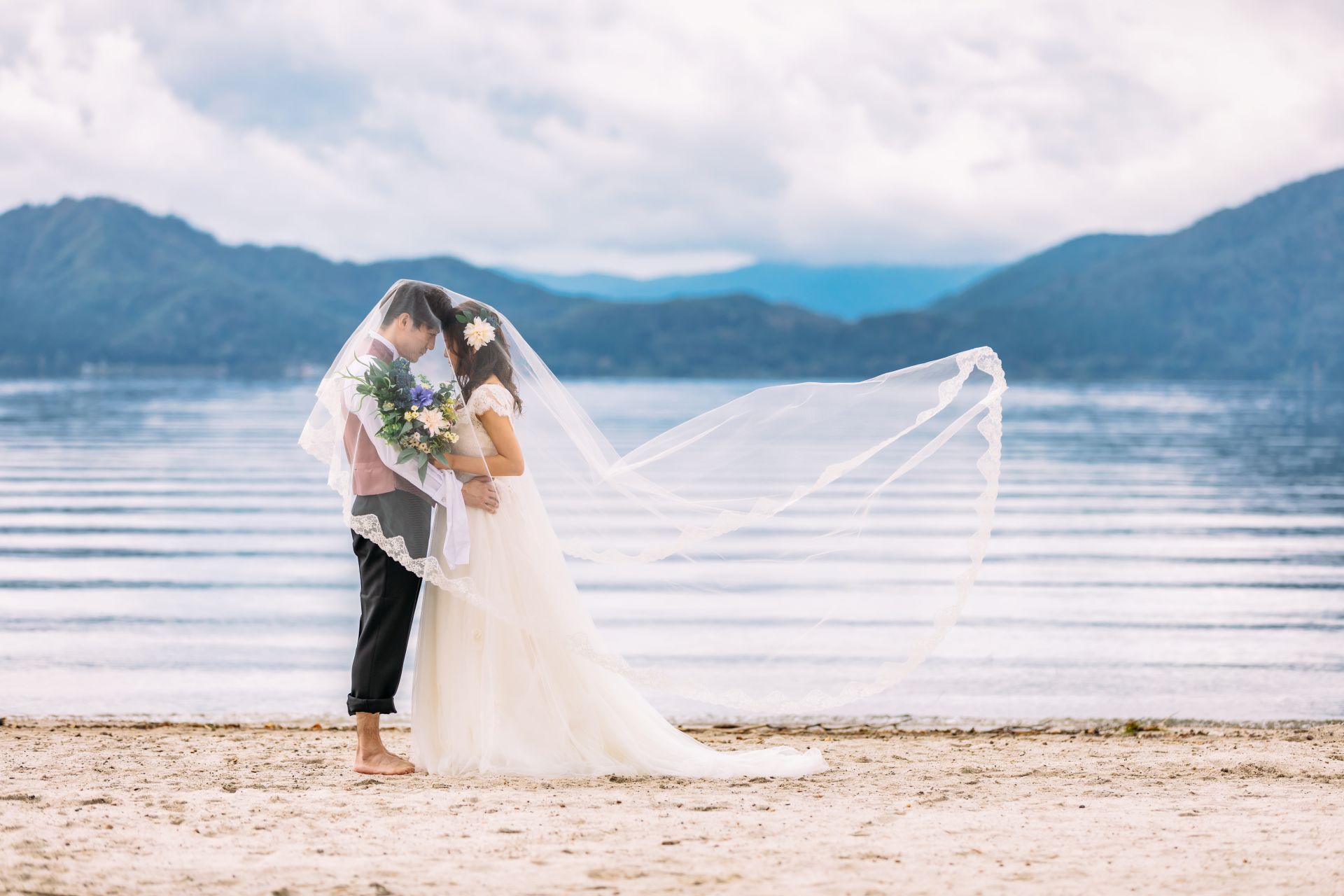
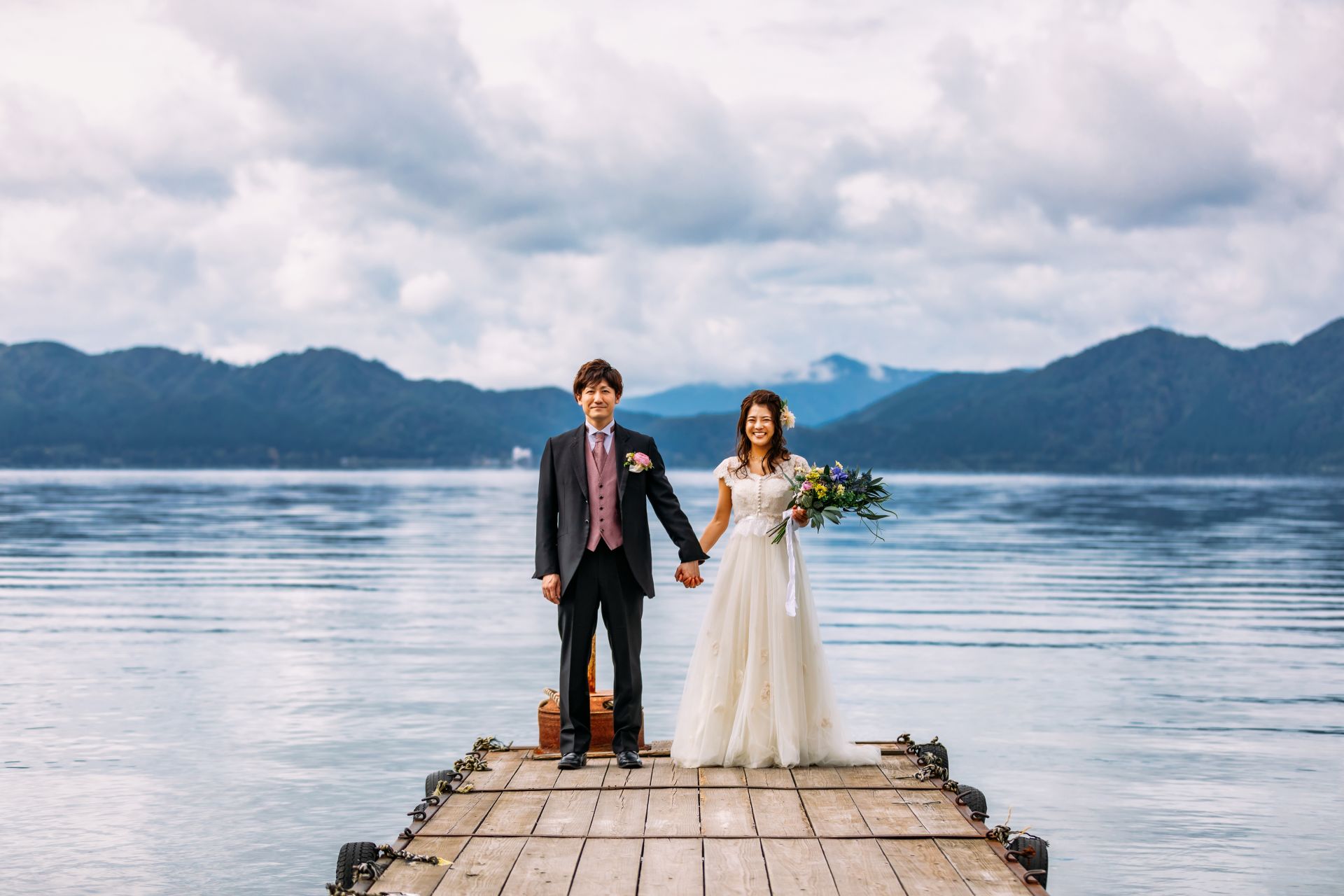
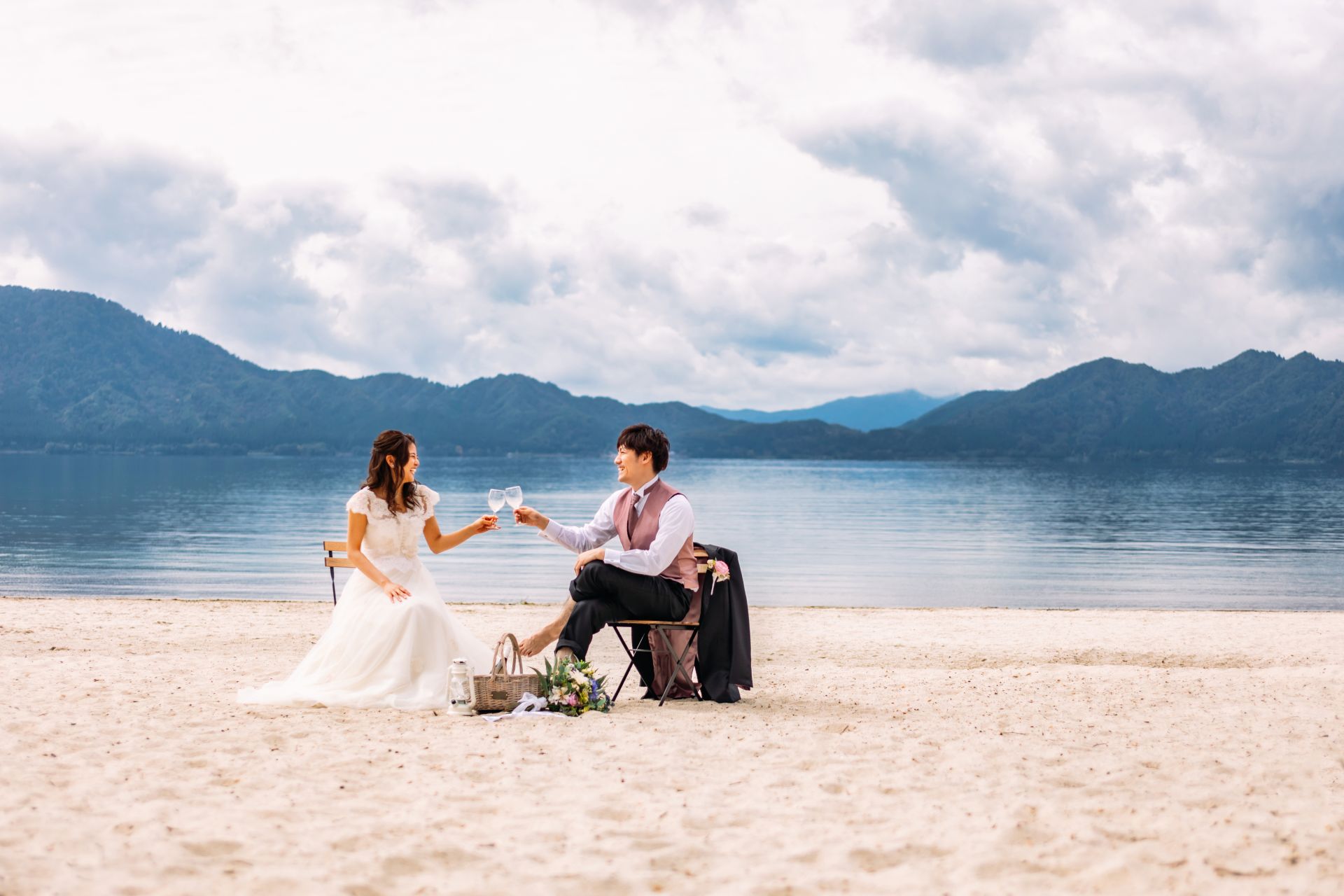
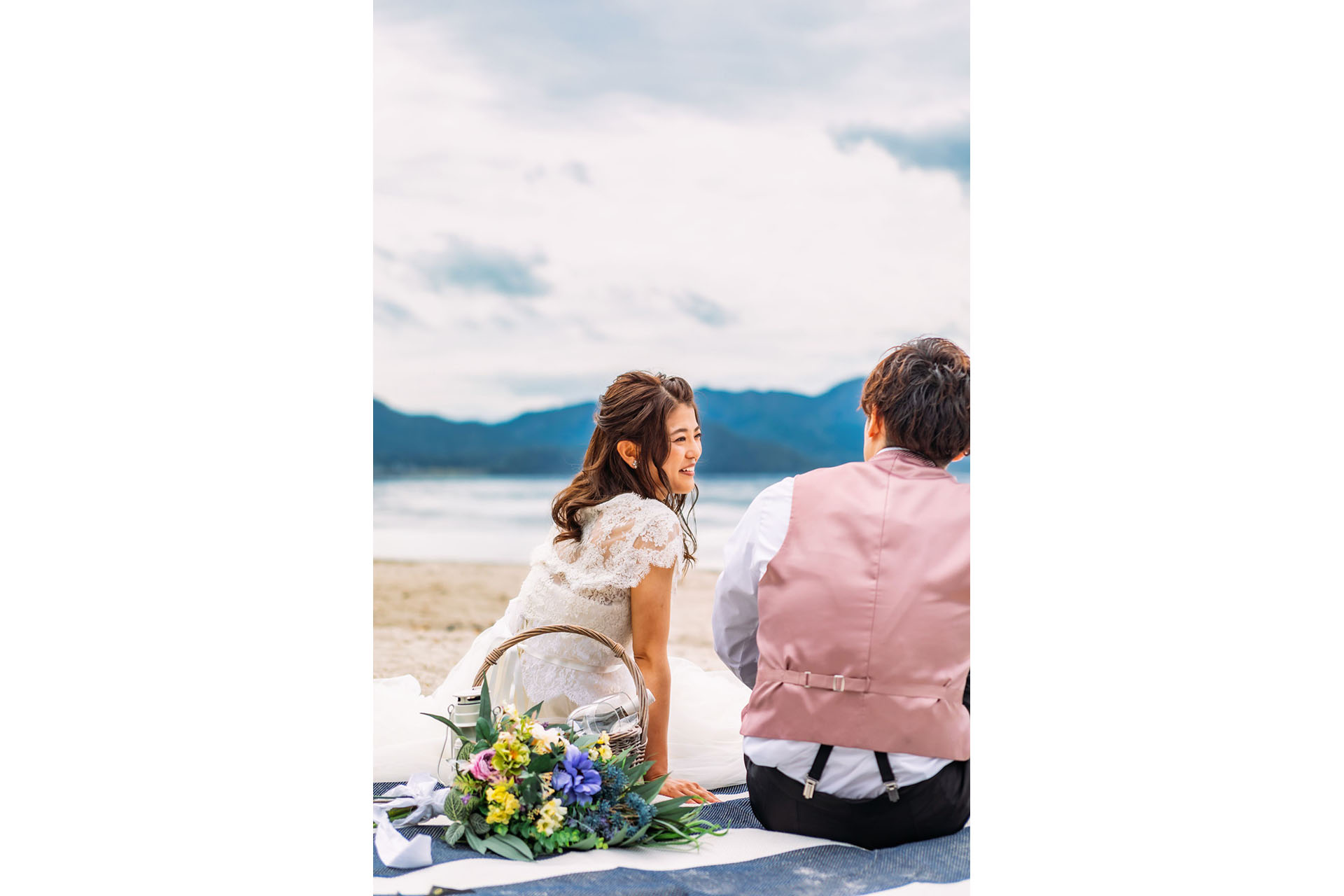
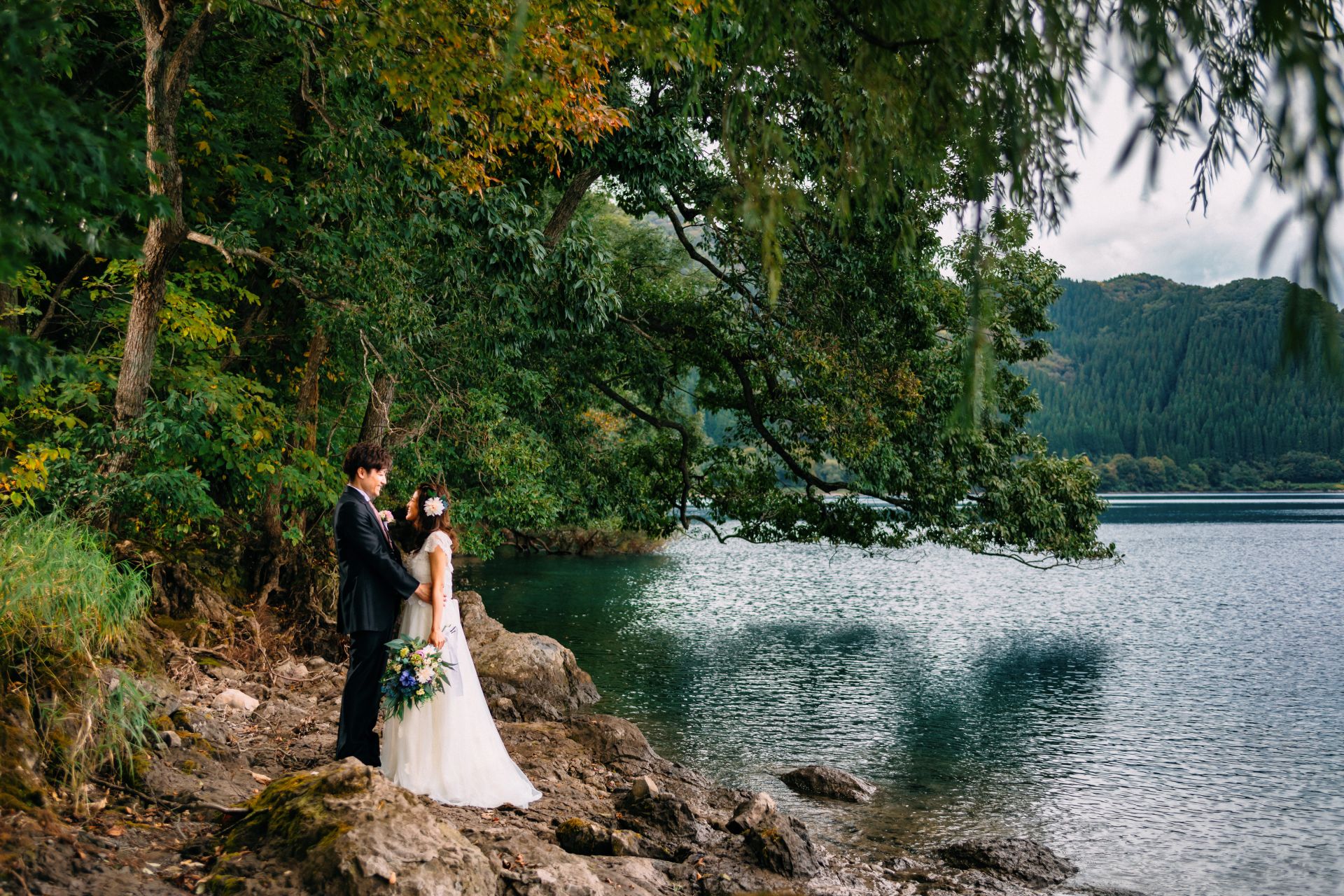
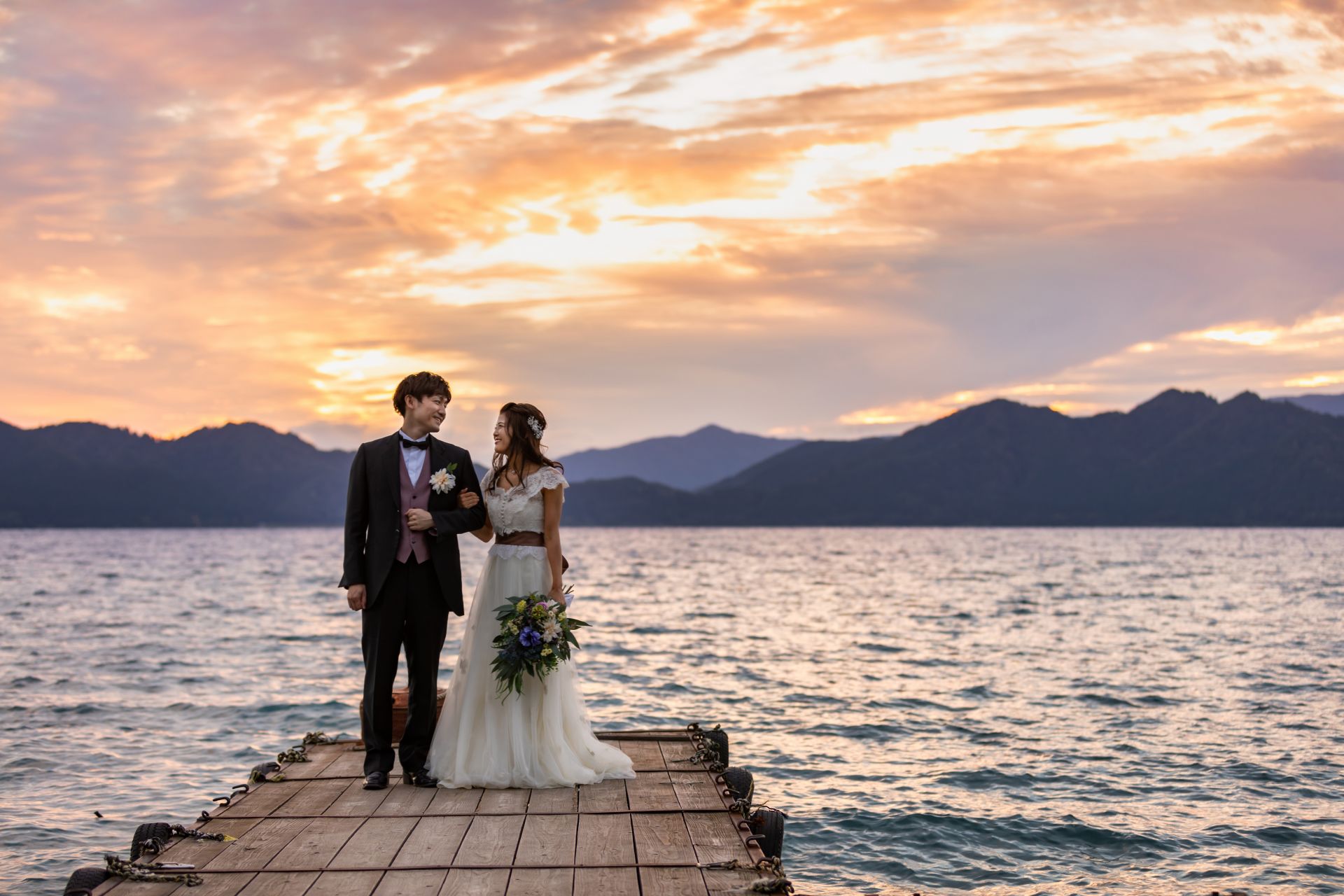
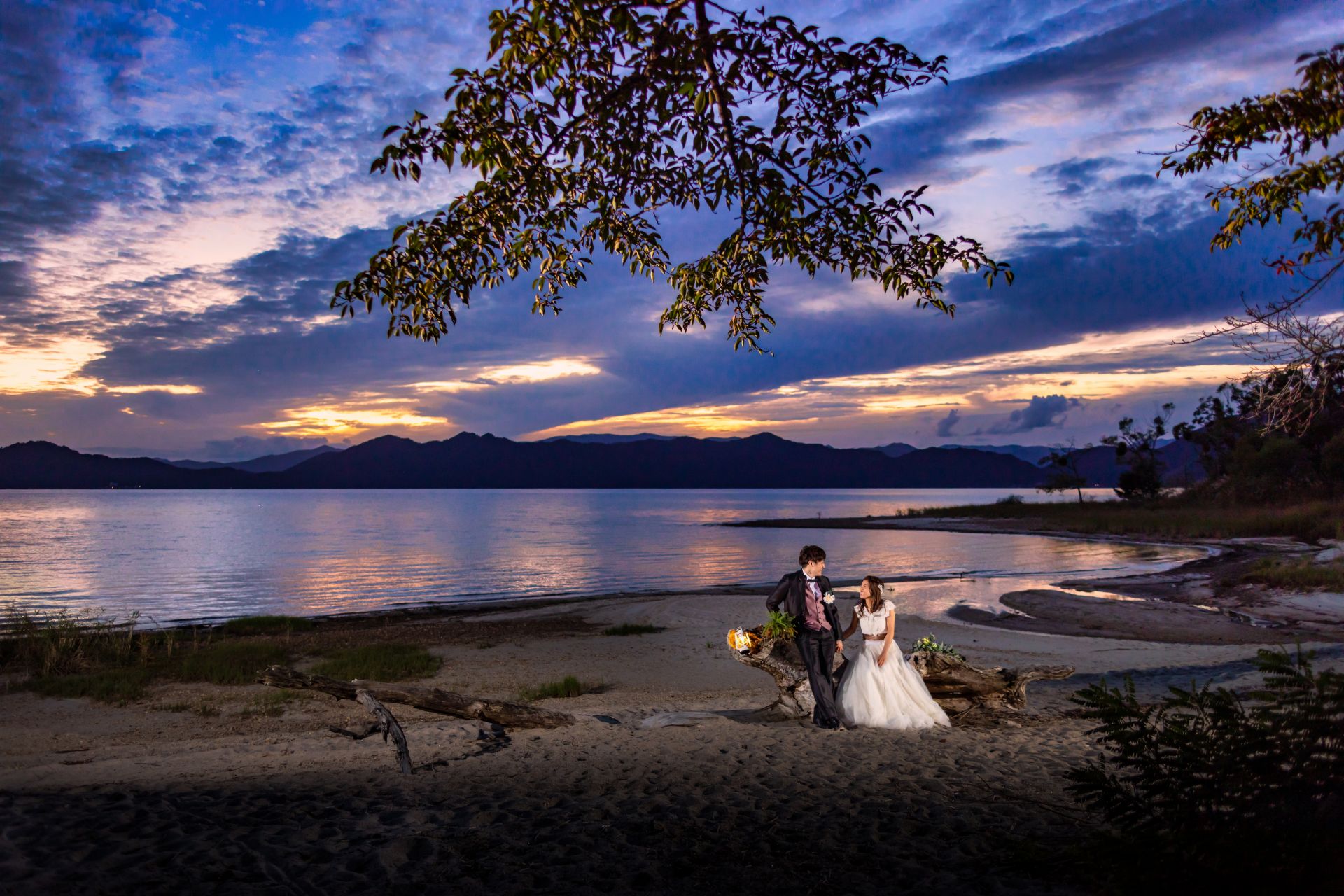
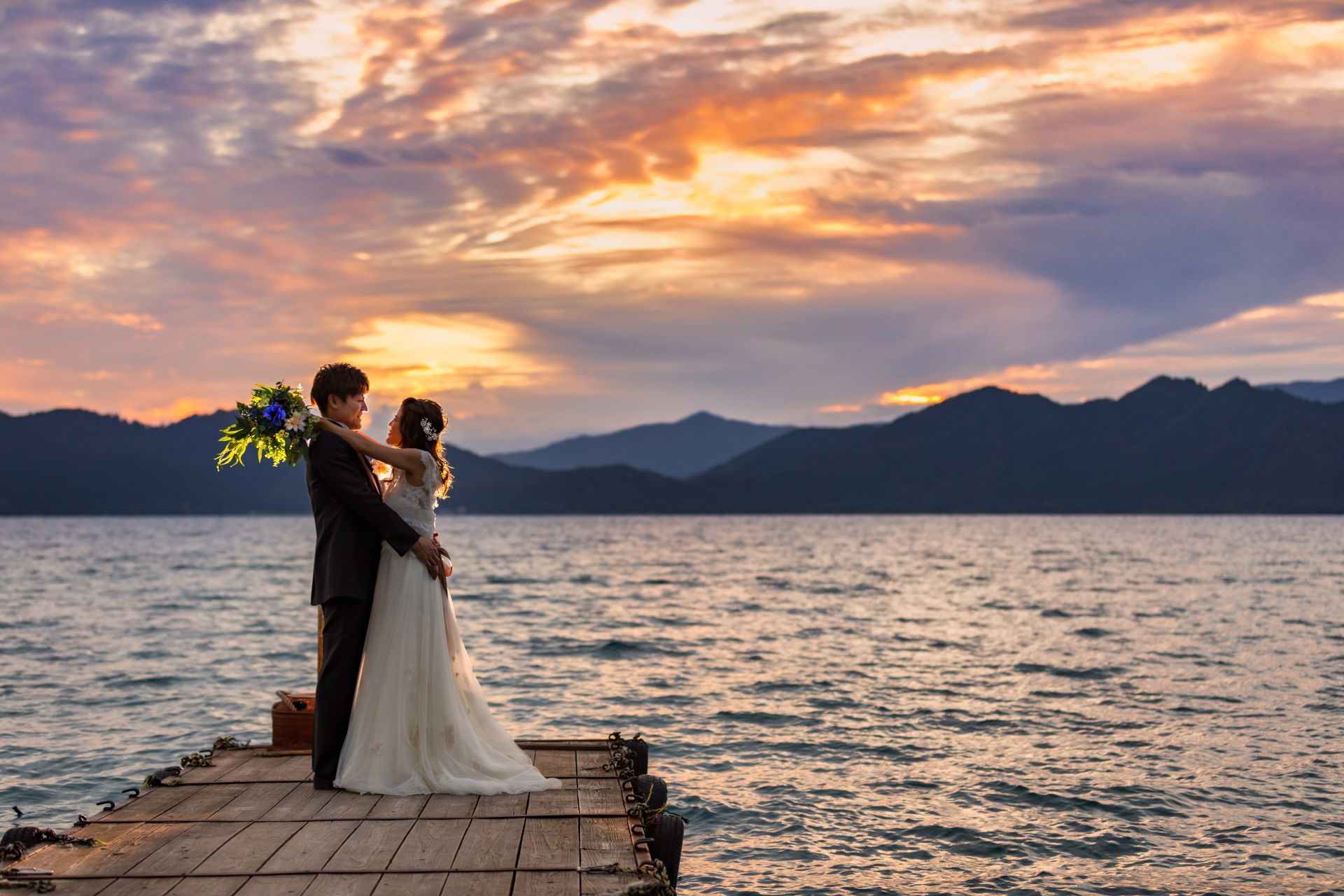
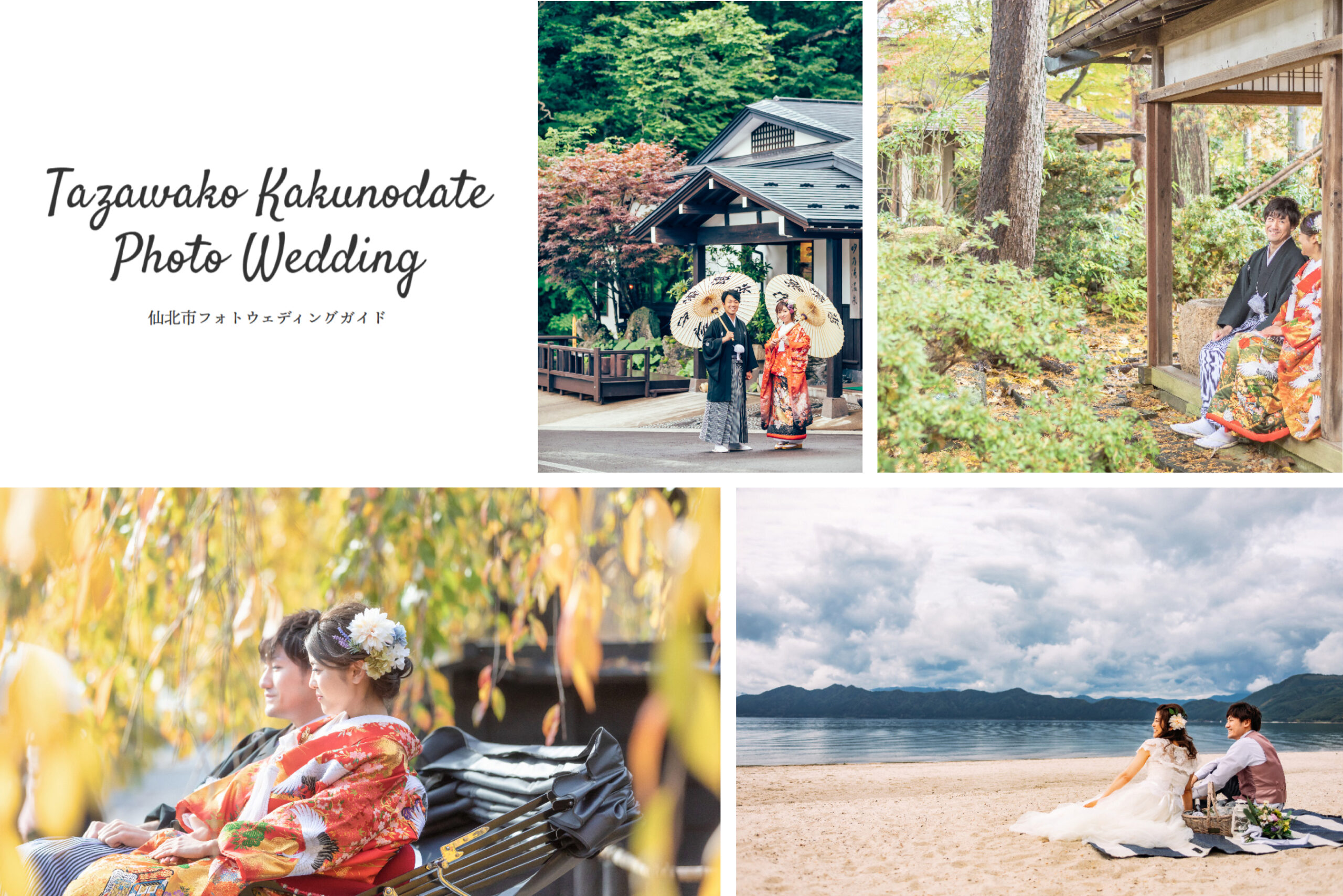
Lake Tazawa is a nearly circular lake with a circumference of 20km, boasting the deepest depth in Japan at 423.4m, and an area of 25.5km2. The water is a beautiful, almost bewitching blue, befitting the legend of Tatsuko. It changes with each season, with the pale light of spring sparkling on its surface, and in summer the lake is enveloped in deep green and the blue of the sky. In autumn, the autumn leaves of the trees reflect on the lake’s surface, and in winter, the contrast between the white of the snow and the lake surface is striking. The sunrises and sunsets are also spectacular, with the lake’s surface becoming like a mirror on particularly quiet mornings, dazzlingly reflecting the morning sun.
Location Introduction - Samurai Residence (Kakunodate)
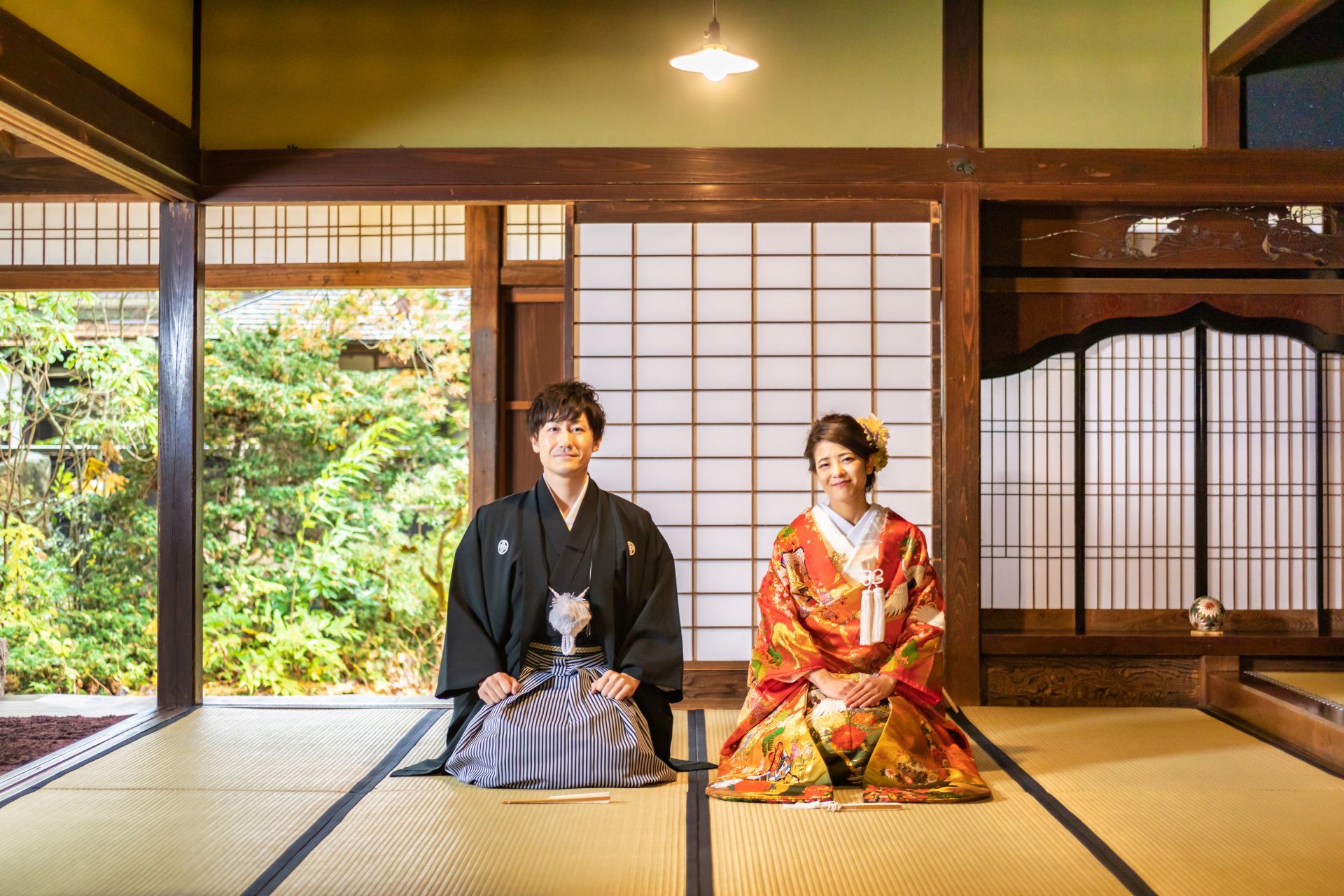
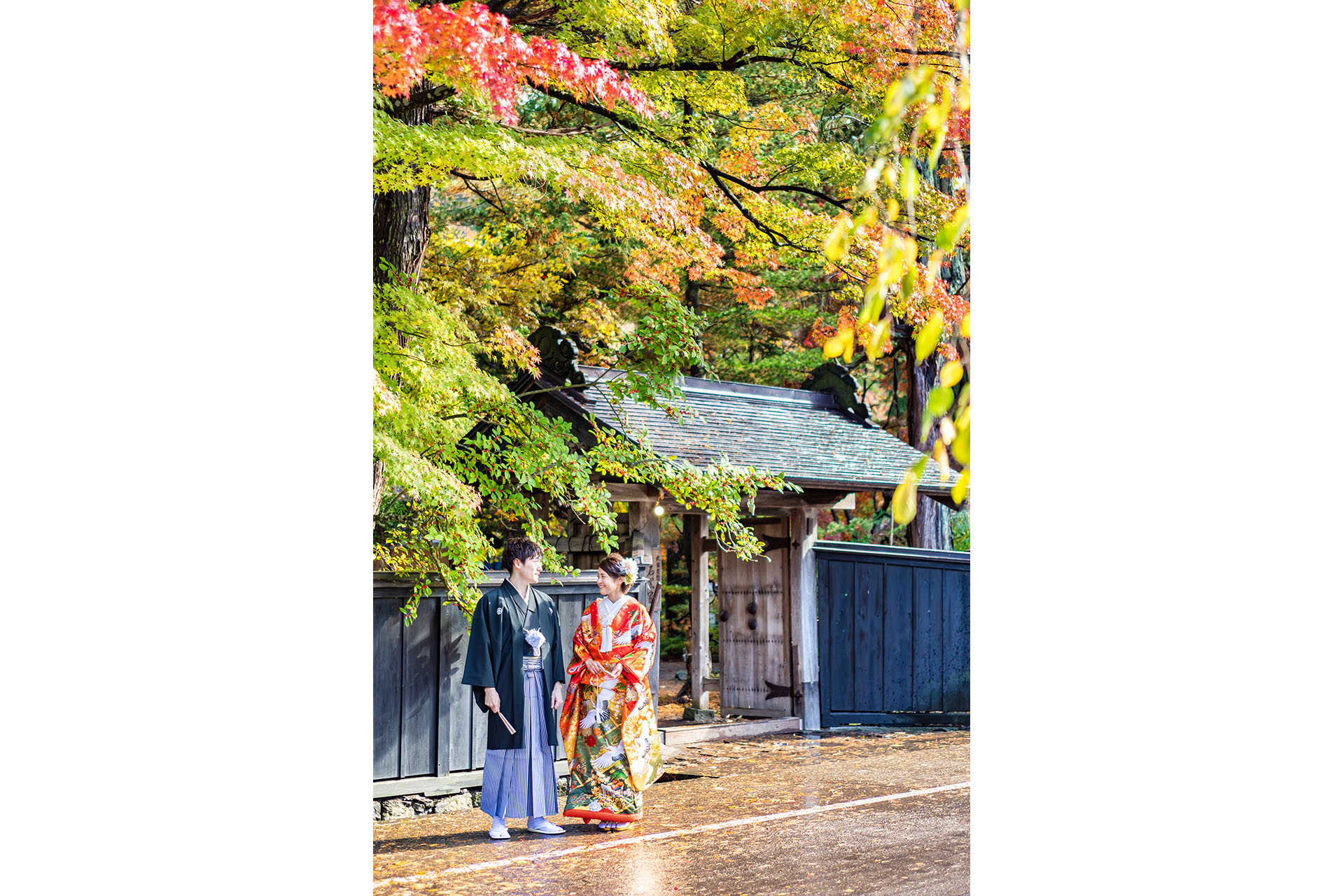
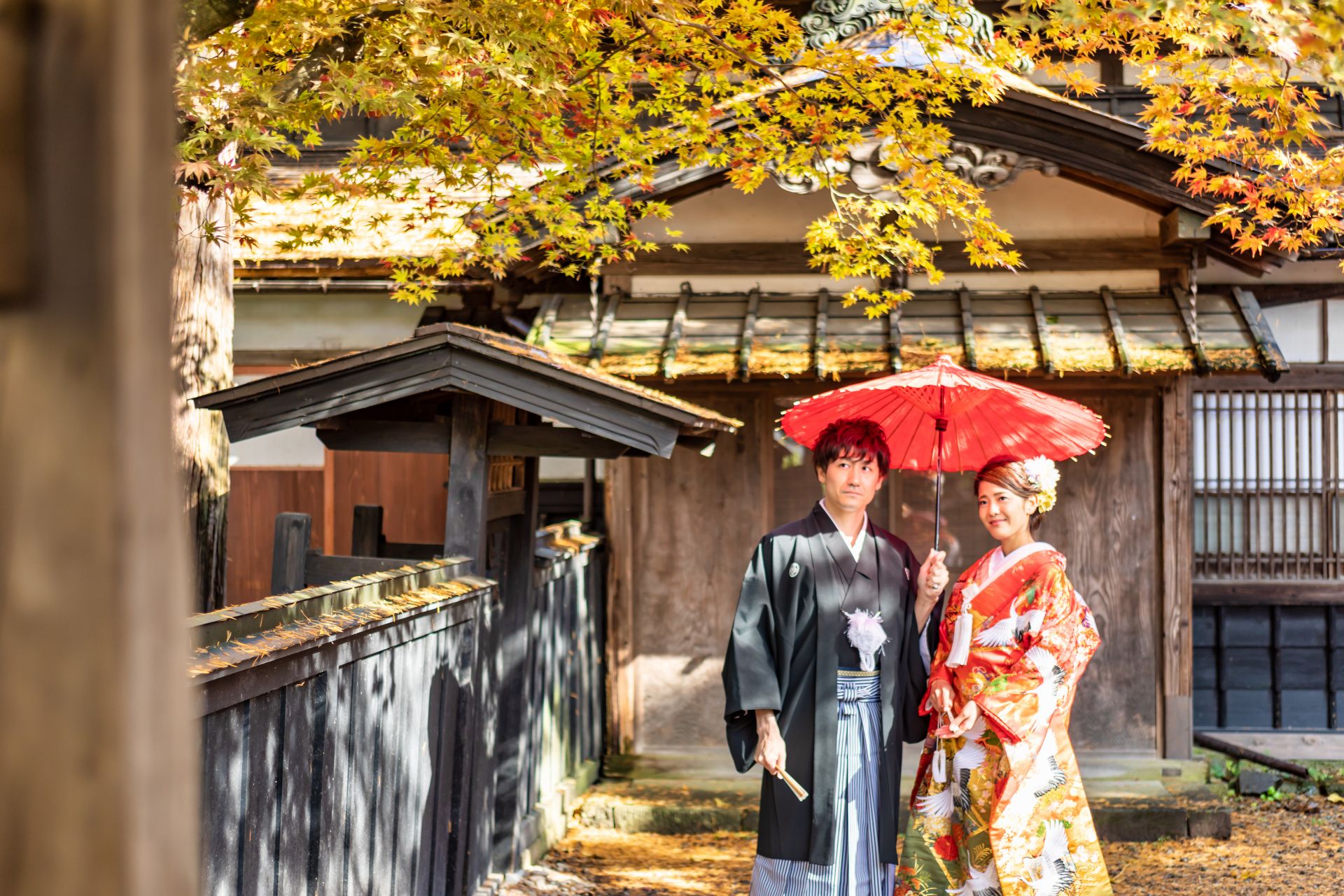
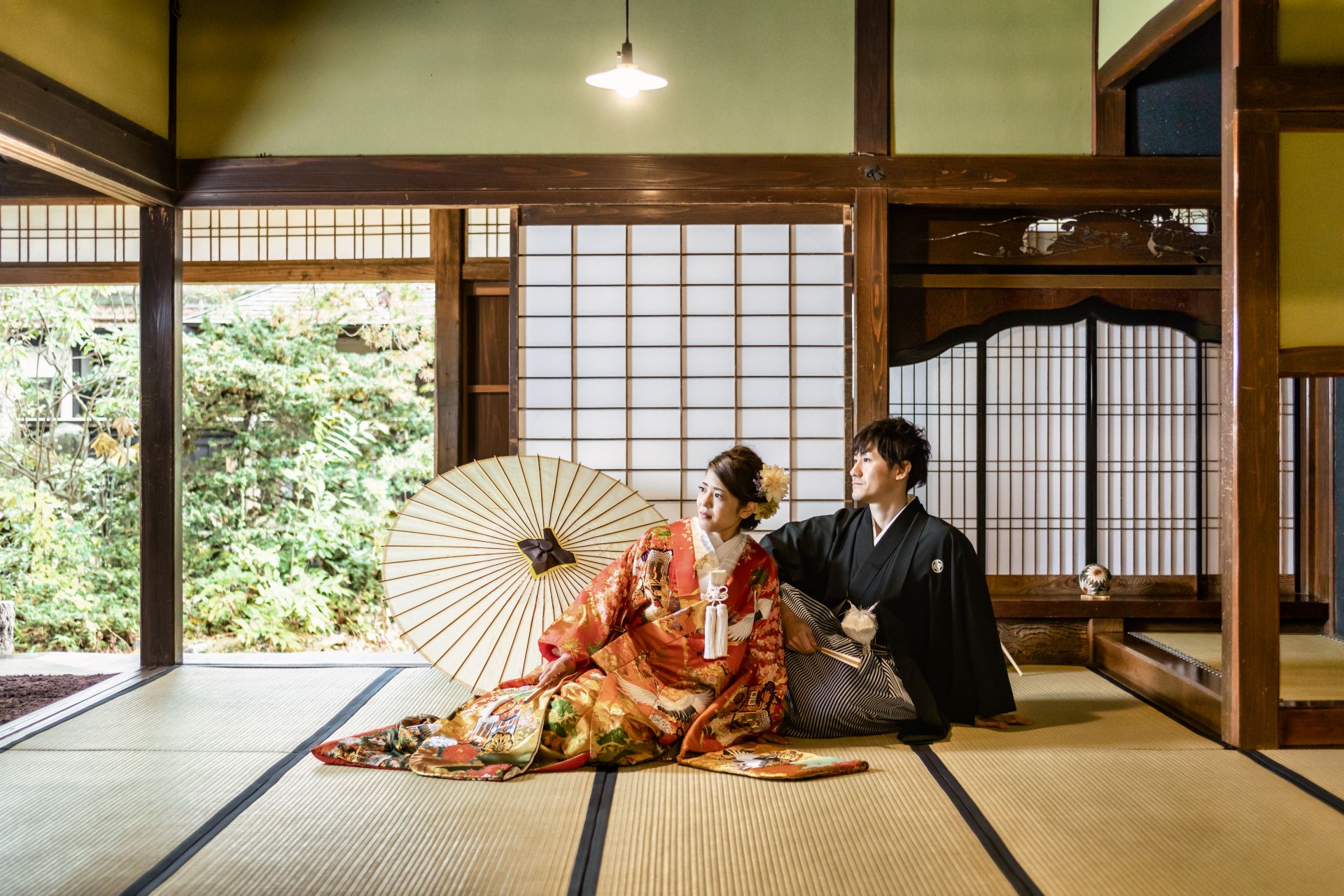
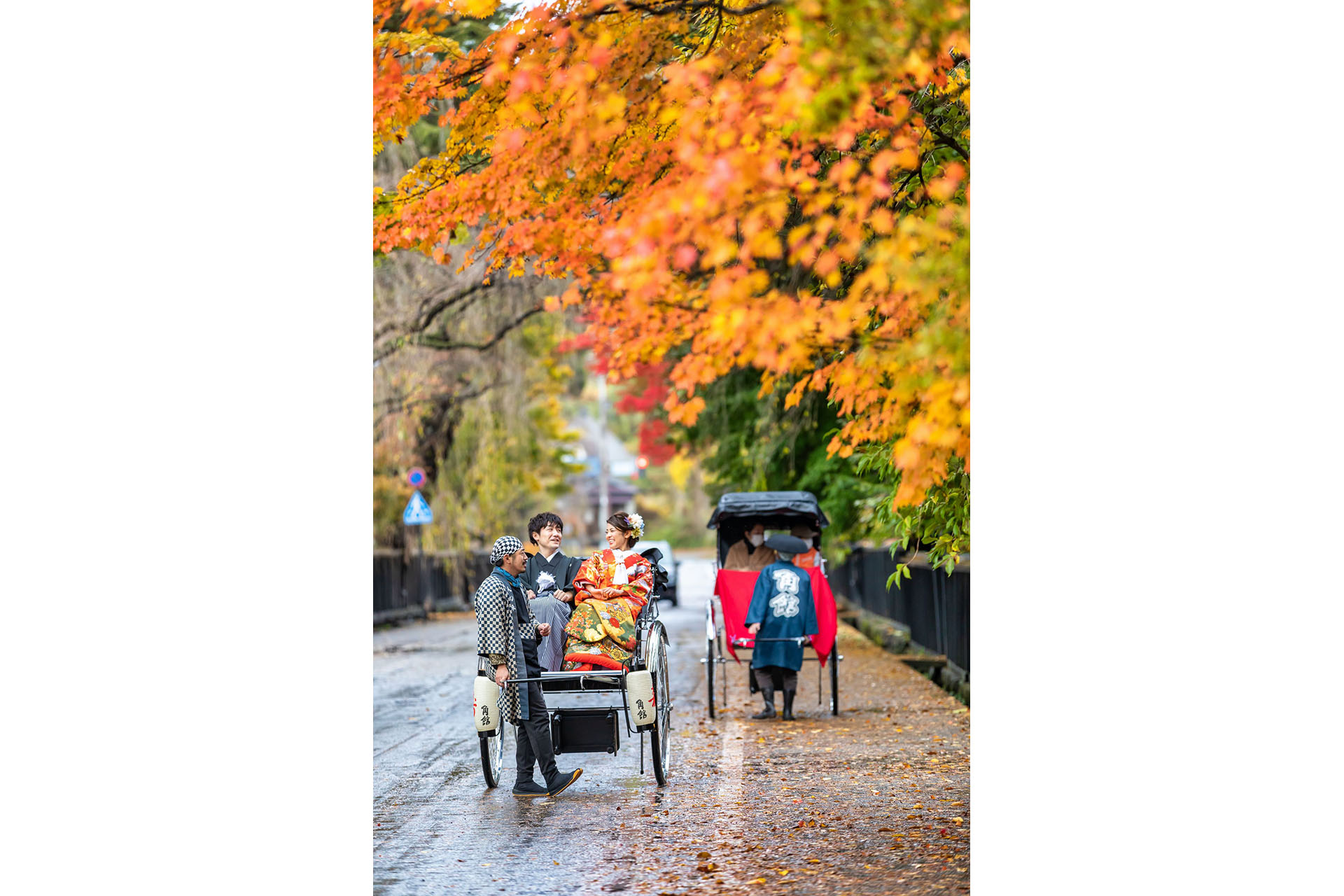
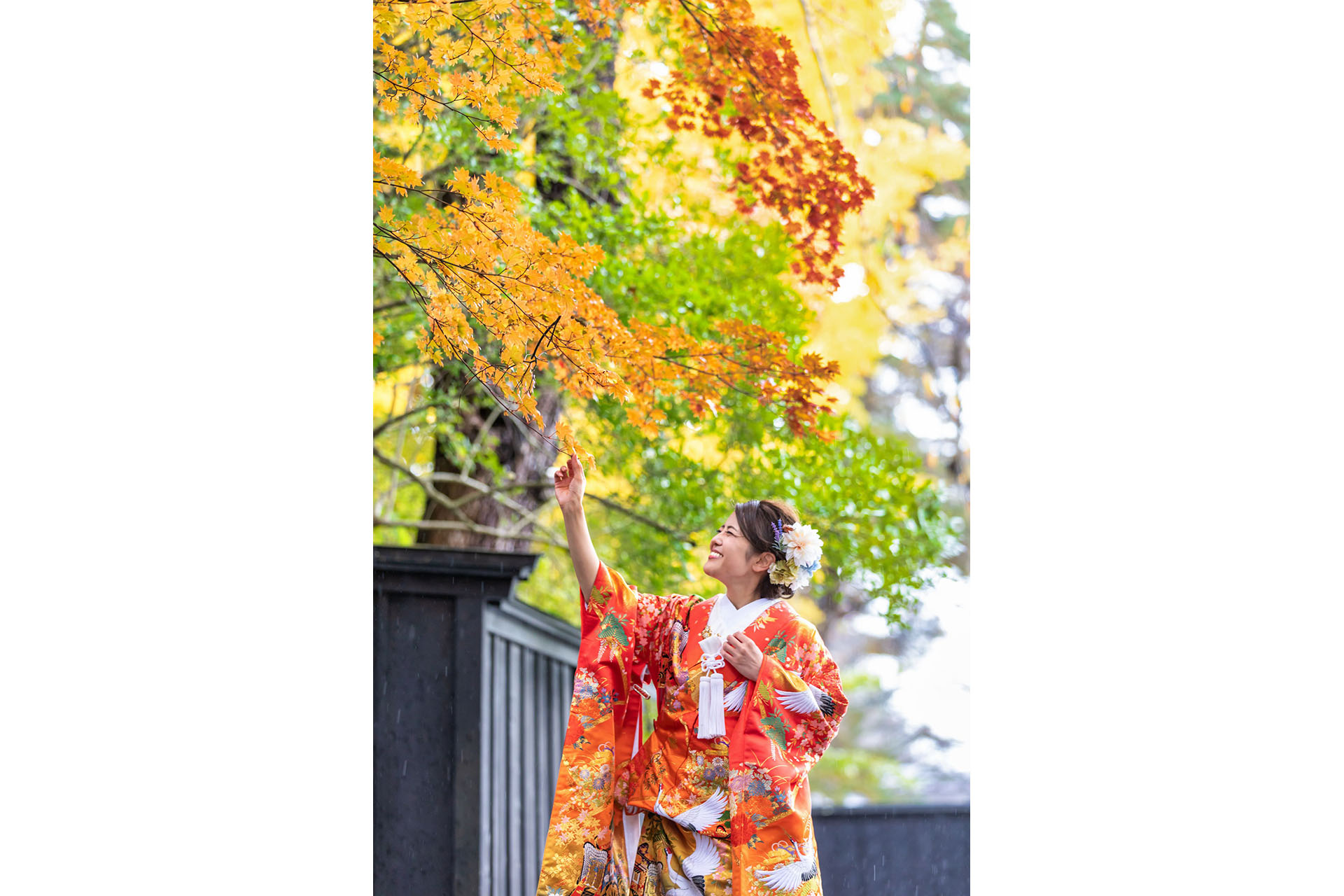
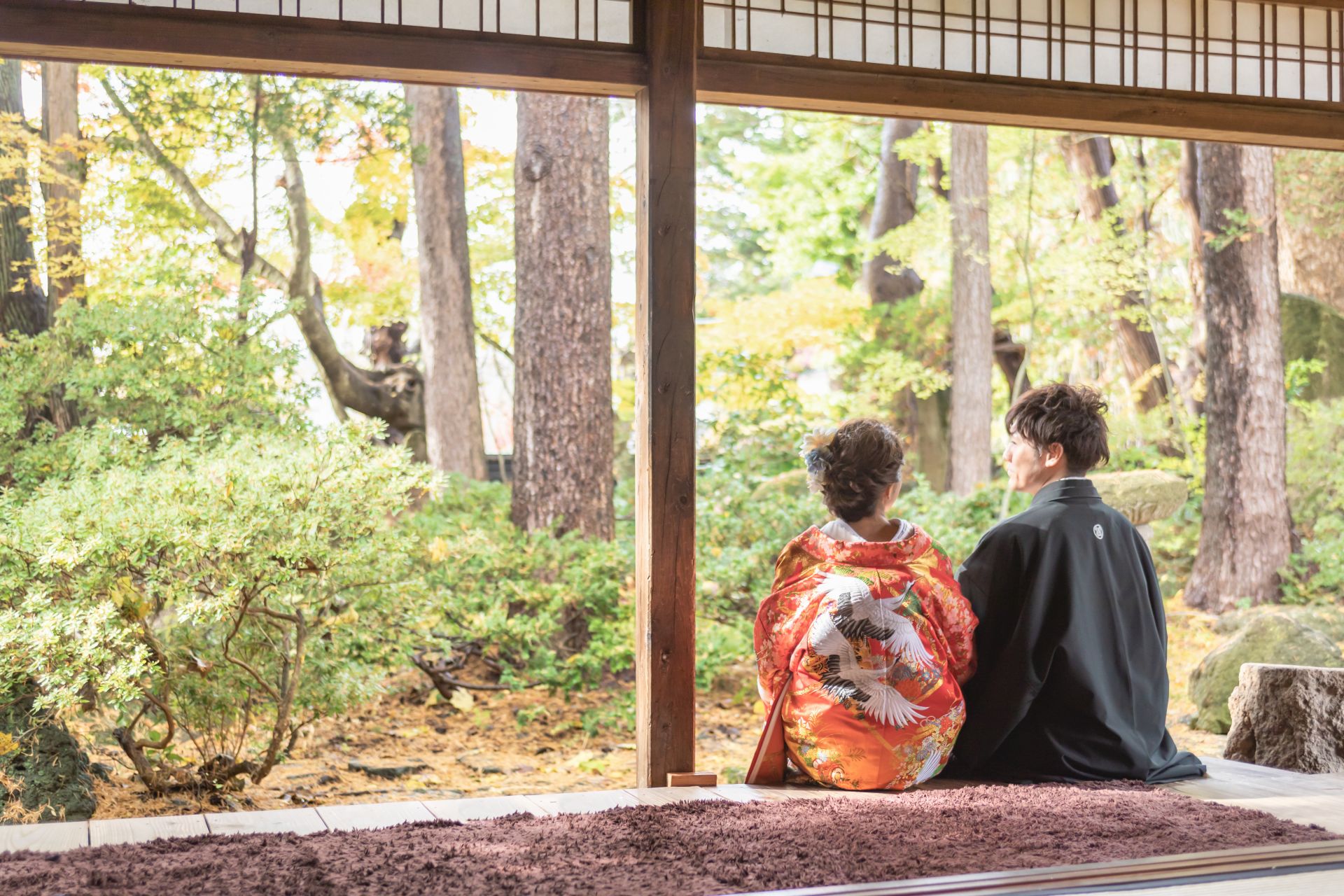
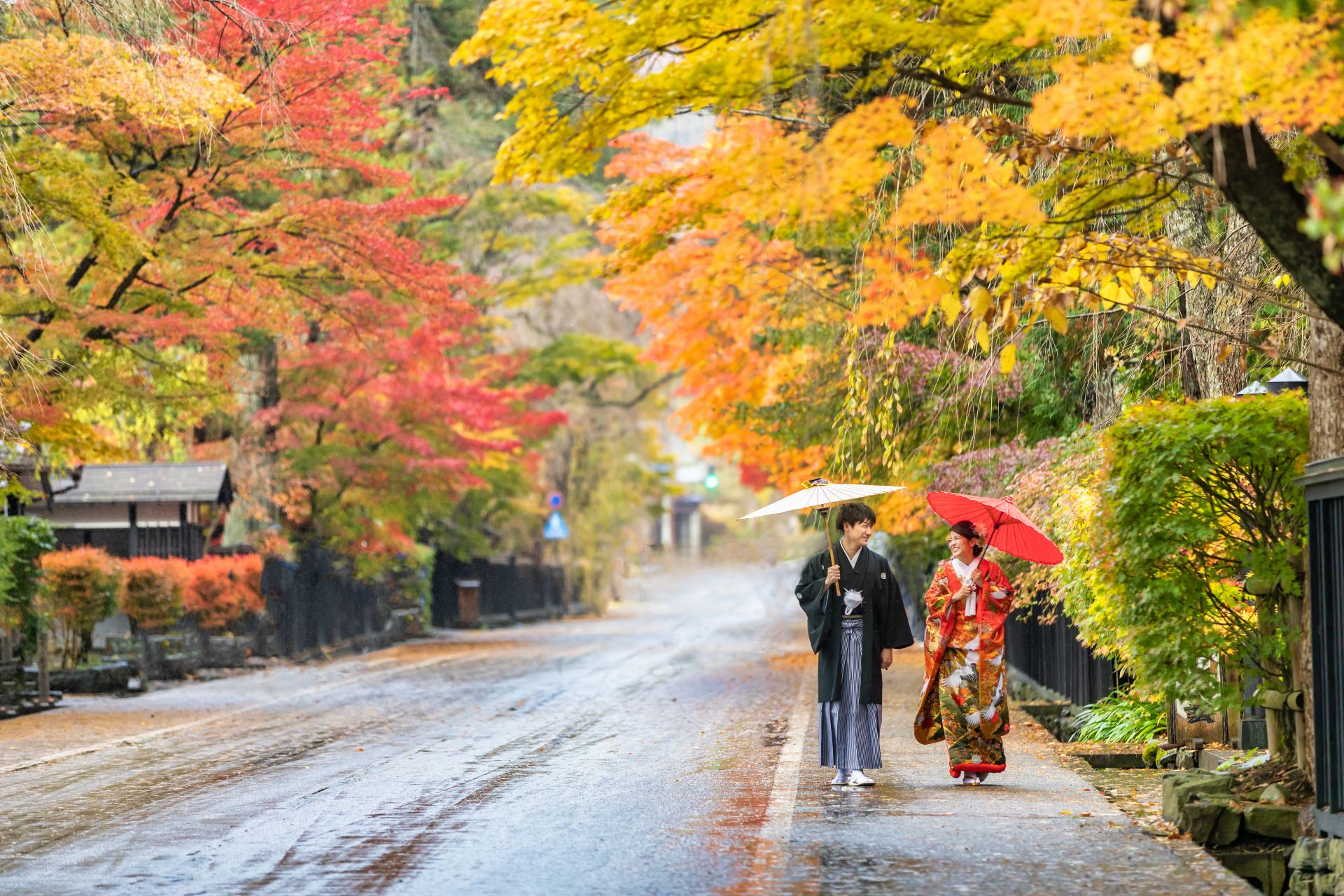
During the Edo period, the Satake clan flourished as a castle town, known as the Little Kyoto of Michinoku. Known as a famous cherry blossom viewing spot in spring, with a variety of cherry blossoms, including weeping cherry trees, blooming in abundance, beautiful greenery and captivating autumn foliage all year round, and stunning snowscapes in winter. Among the samurai residences are the Ishiguro, Aoyagi, Iwahashi, Kawarada, Odano, and Matsumoto families. The Ishiguro family is the only one whose direct descendants continue to live in the main house. The garden views from the veranda are captivating, and taking photos in the tatami rooms of the samurai residences allows you to experience traditional Japanese culture.
Location Introduction - Nyuto Onsenkyo (Hot Springs and Beech Forest)
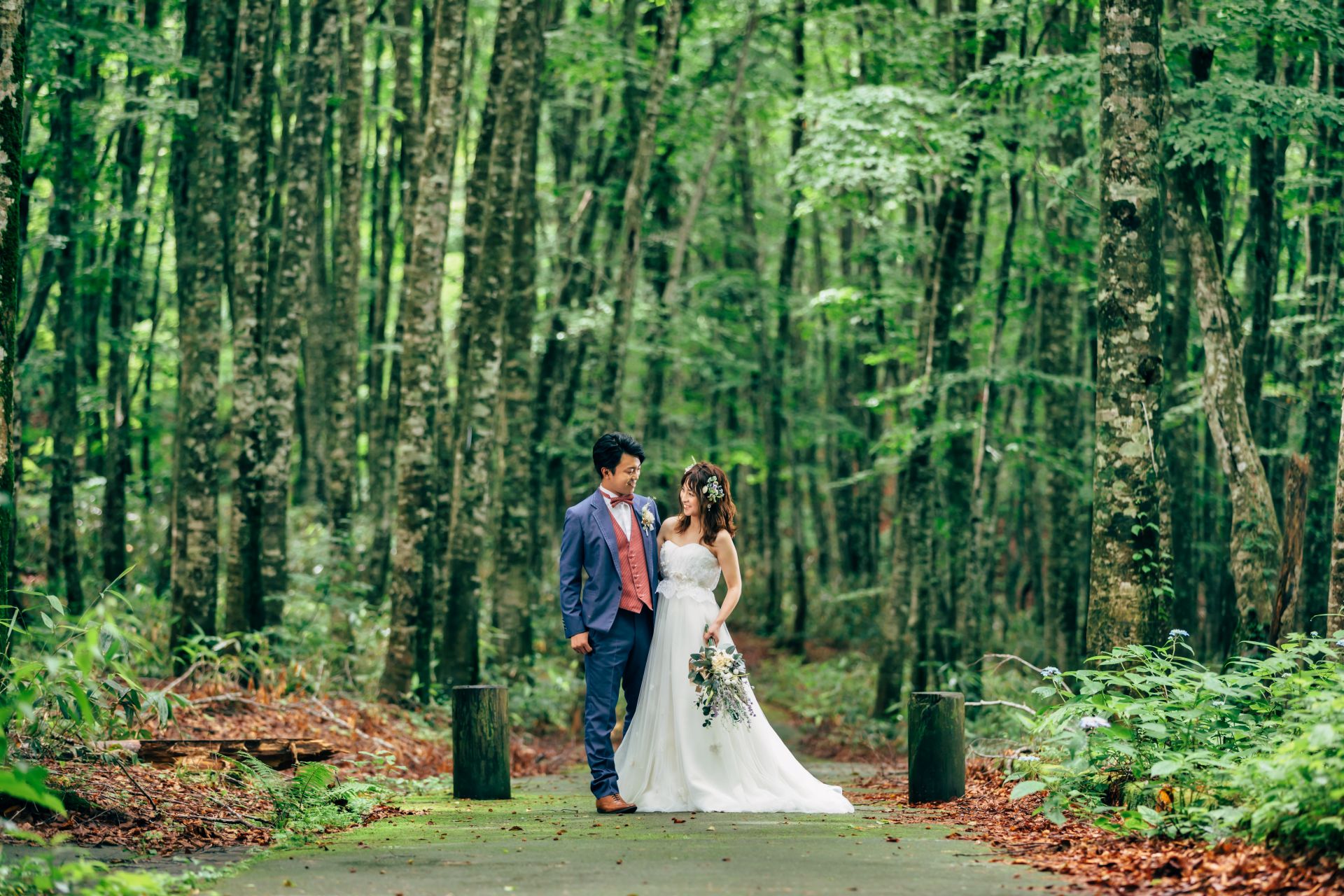
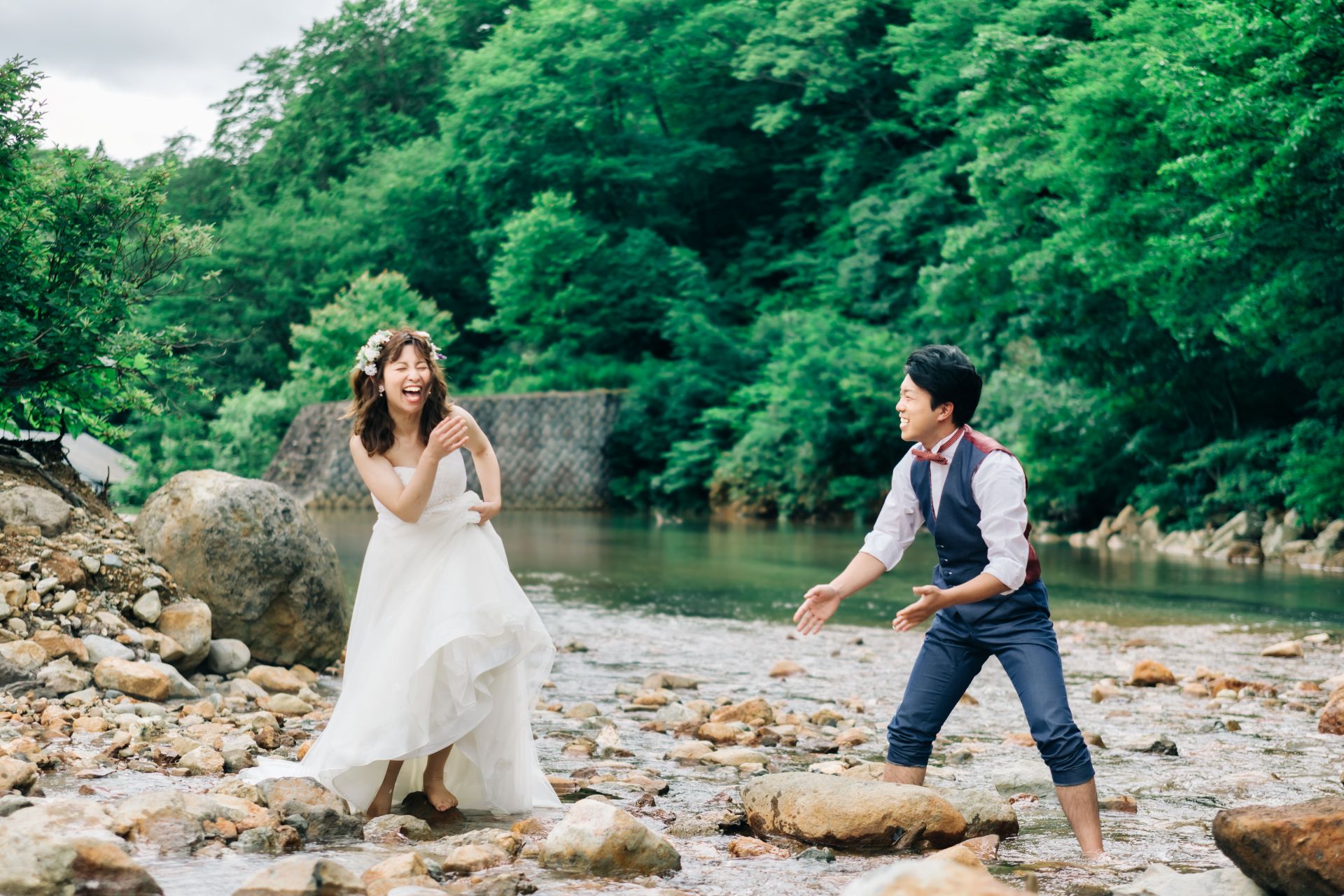
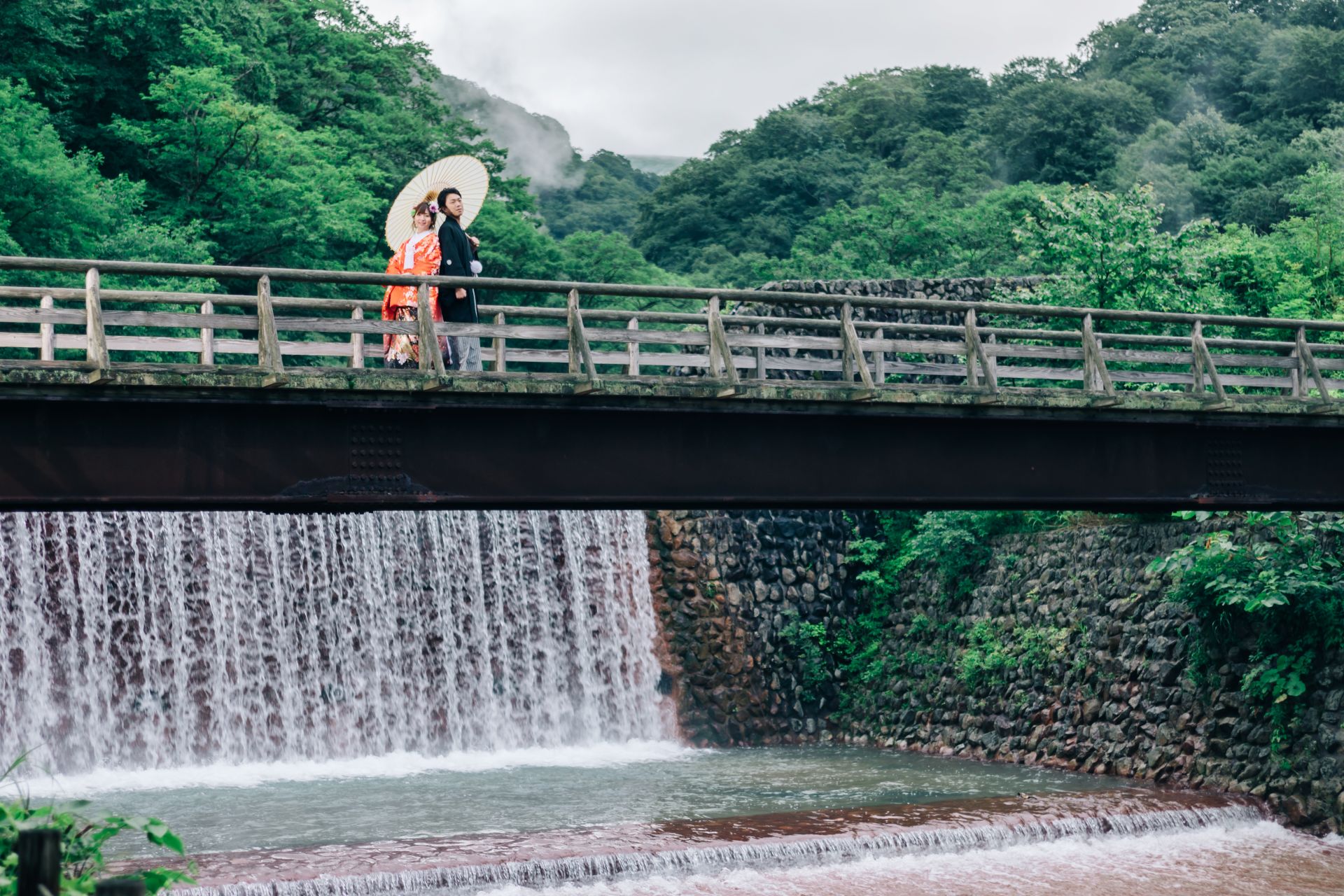
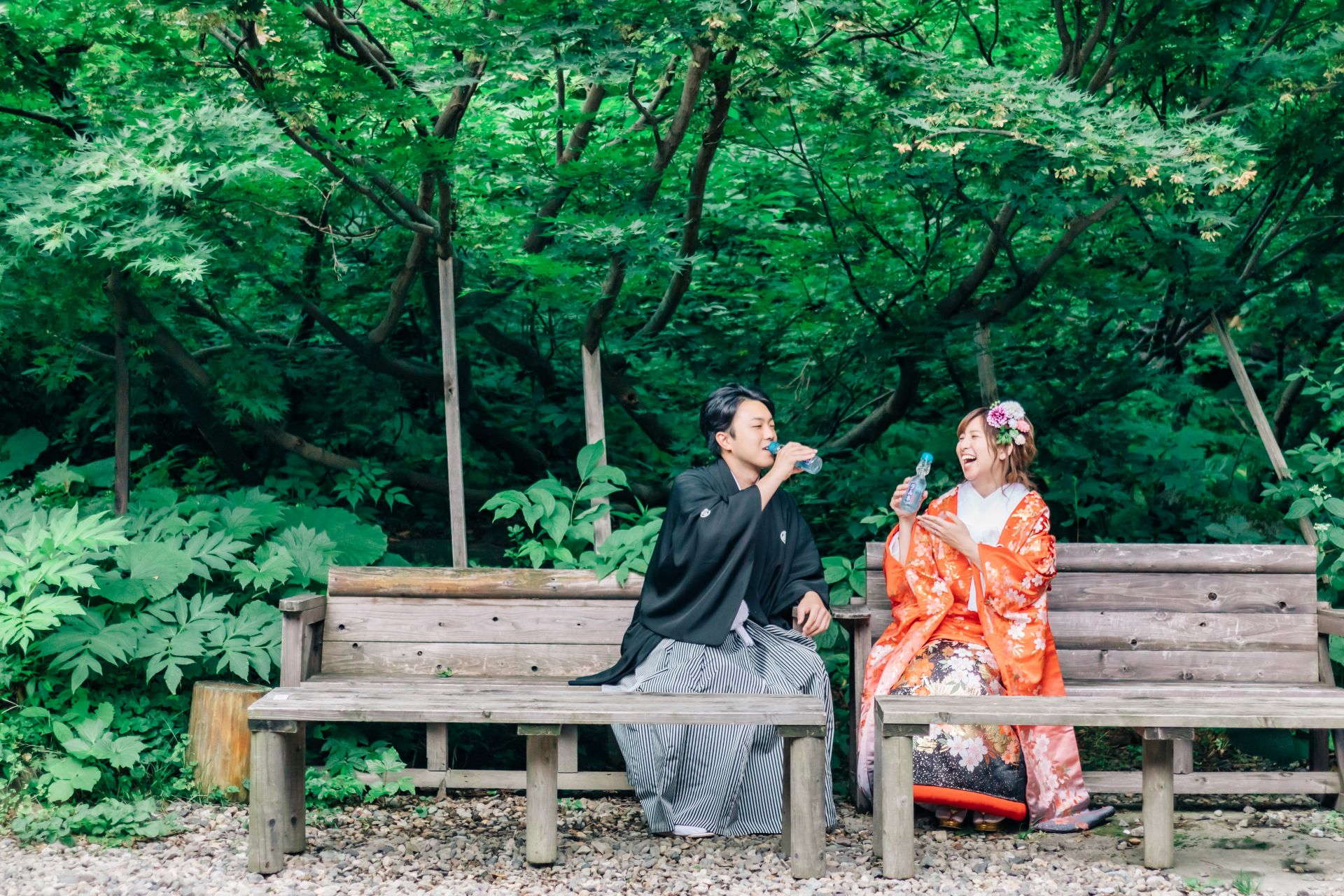
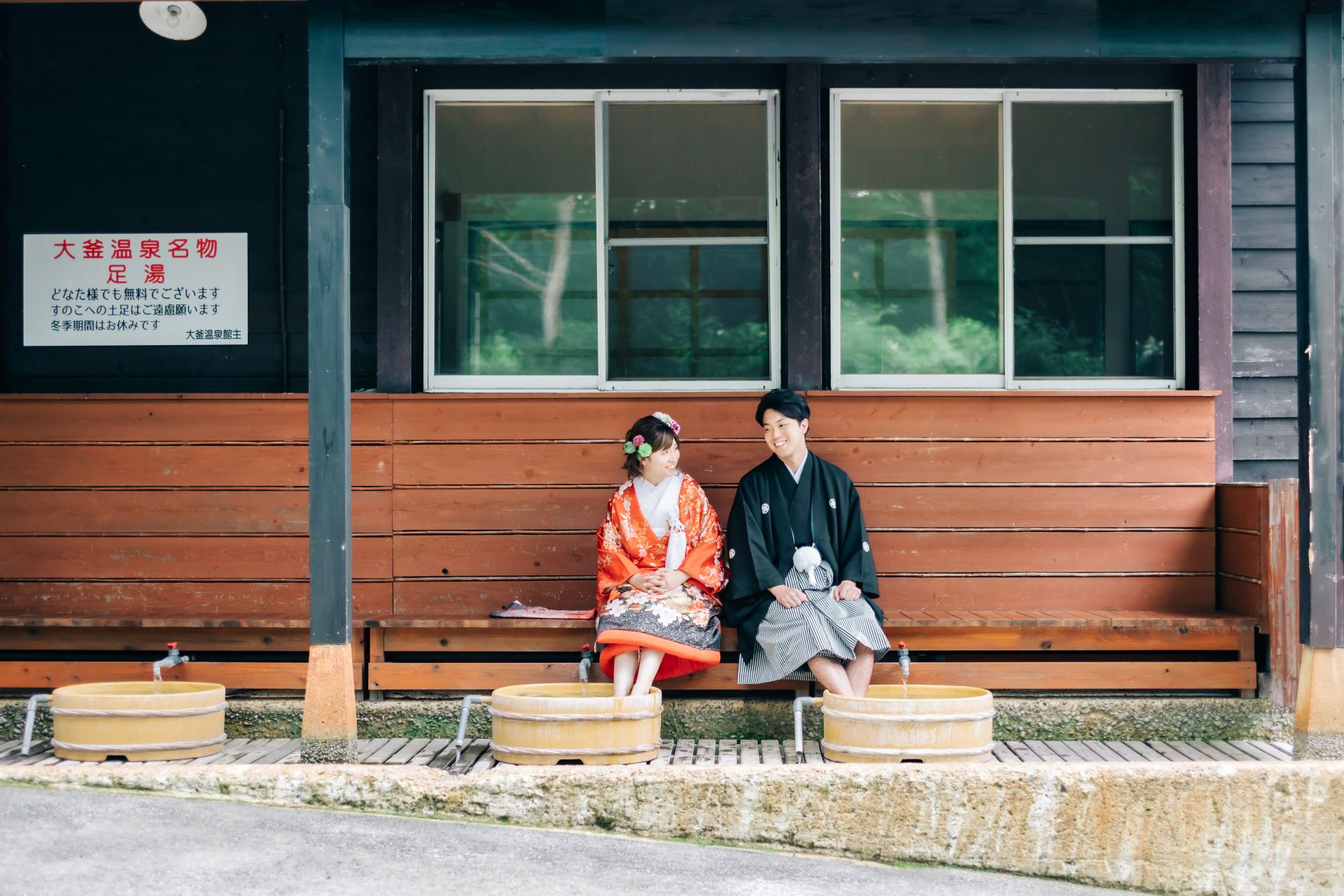
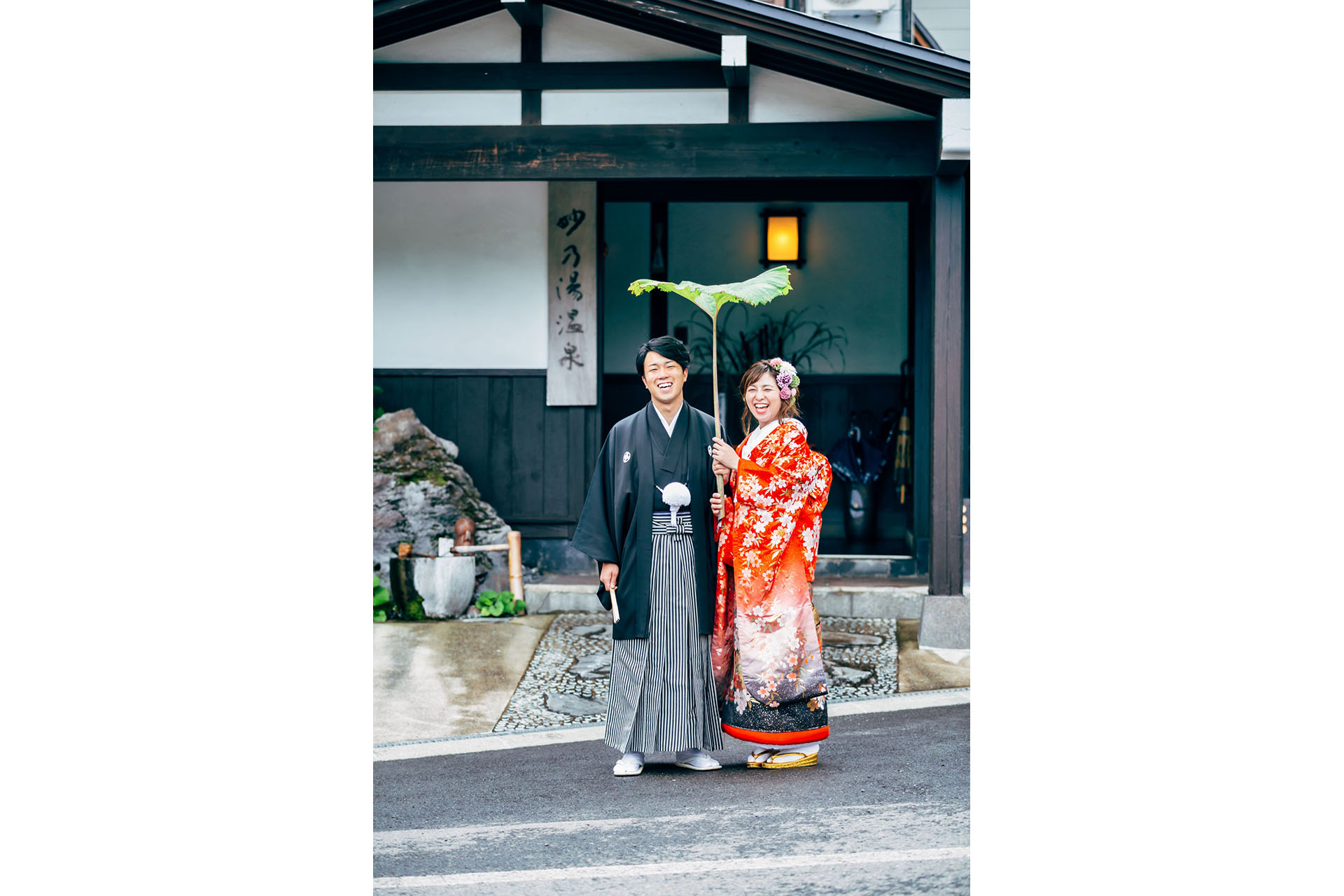
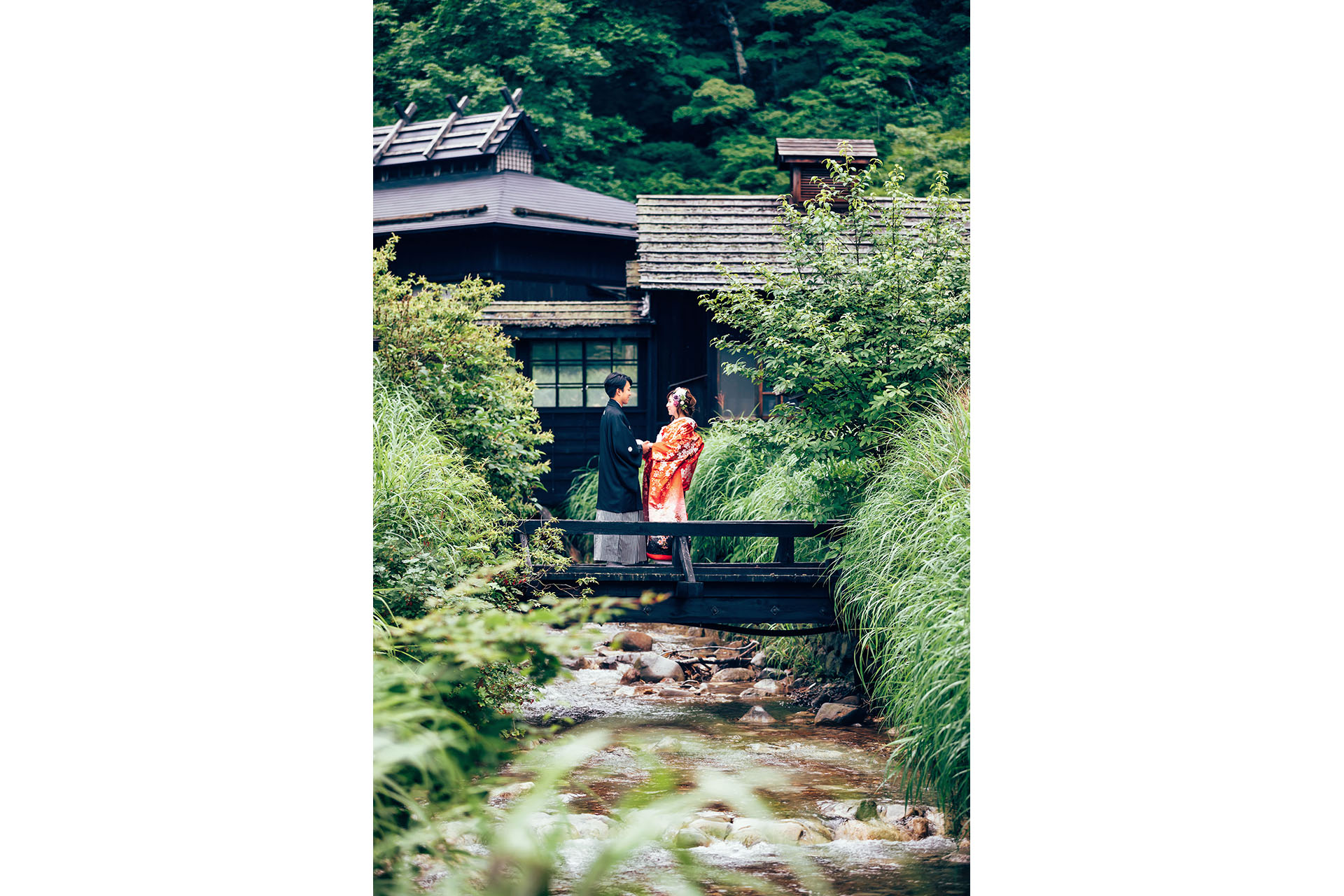
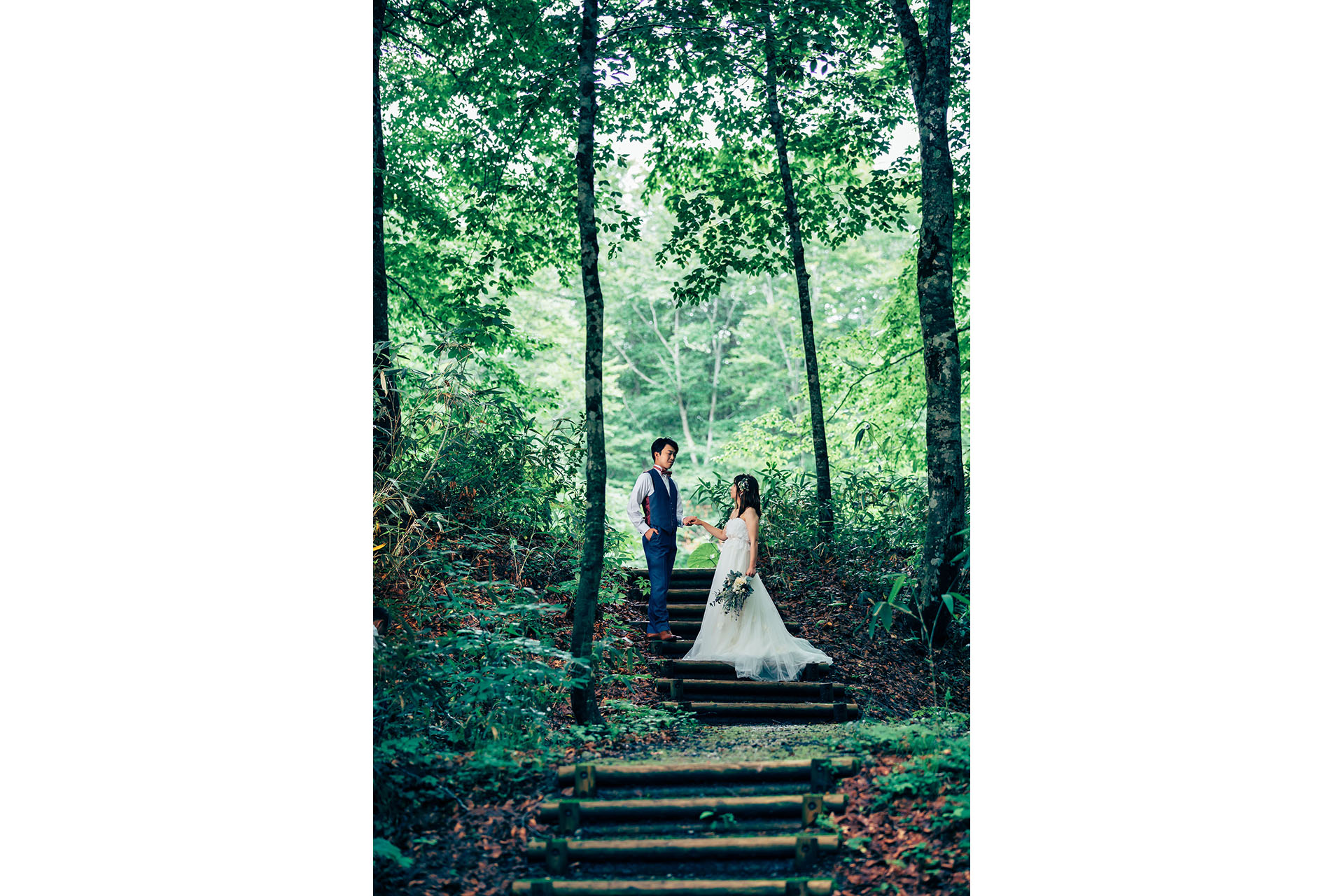
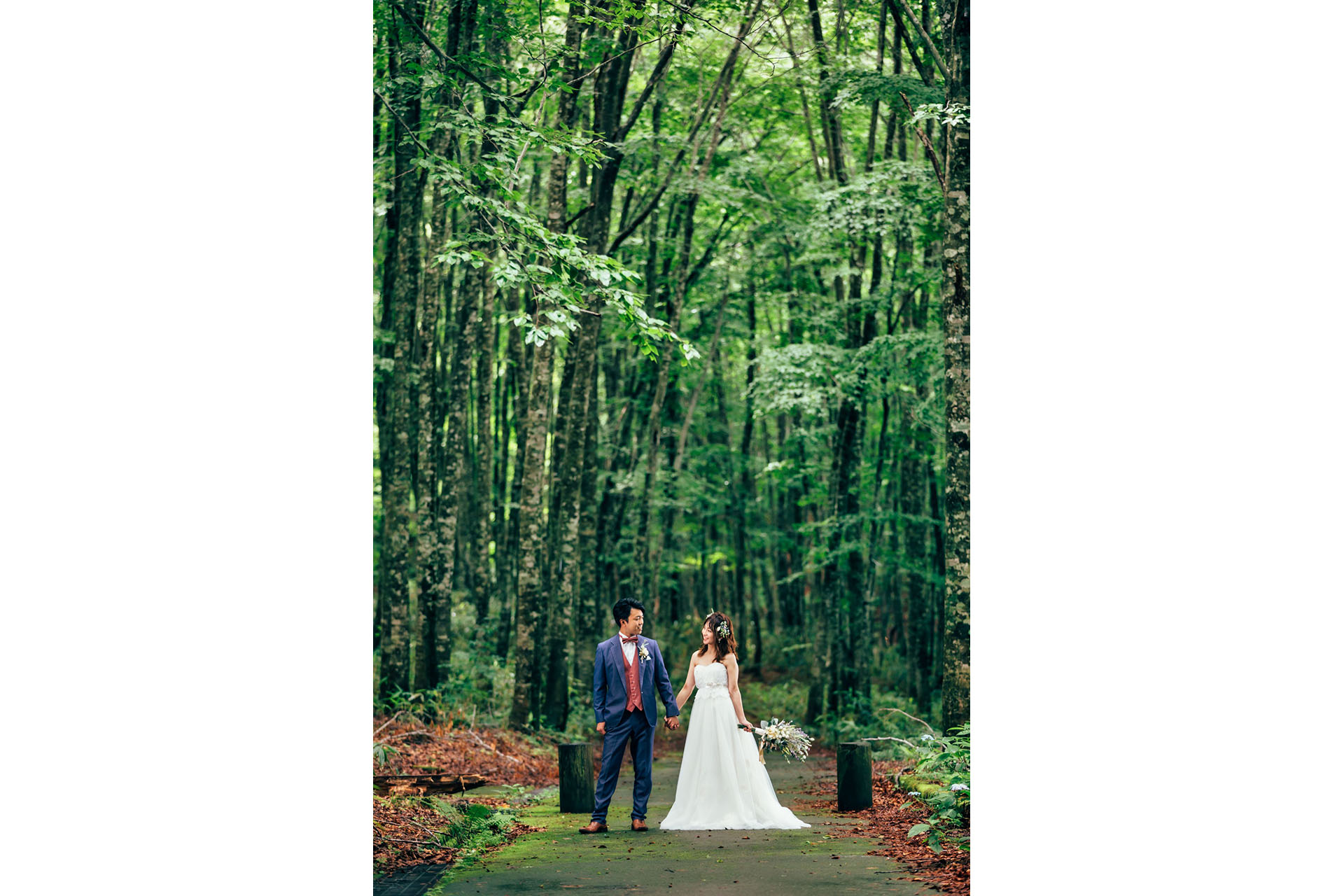
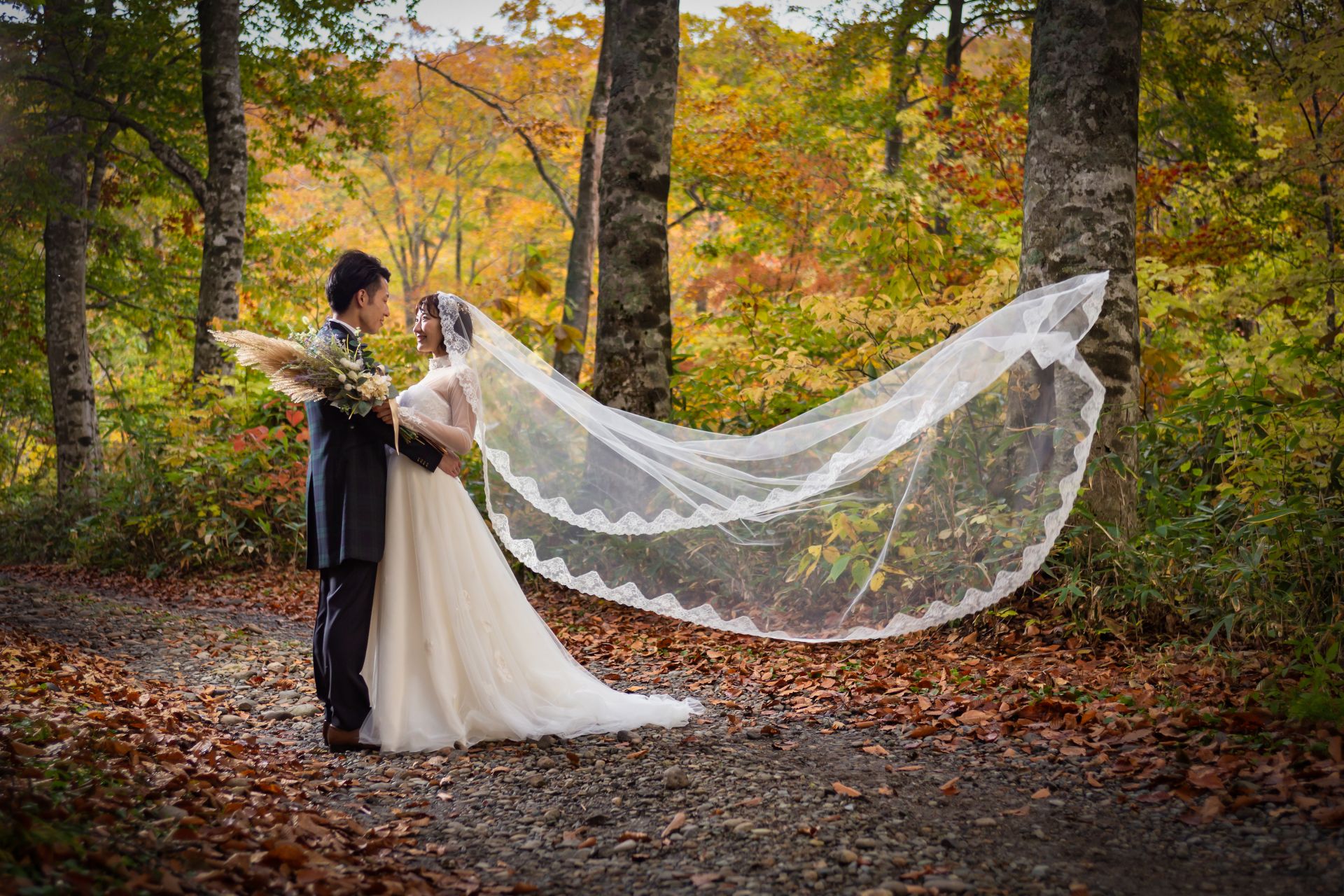
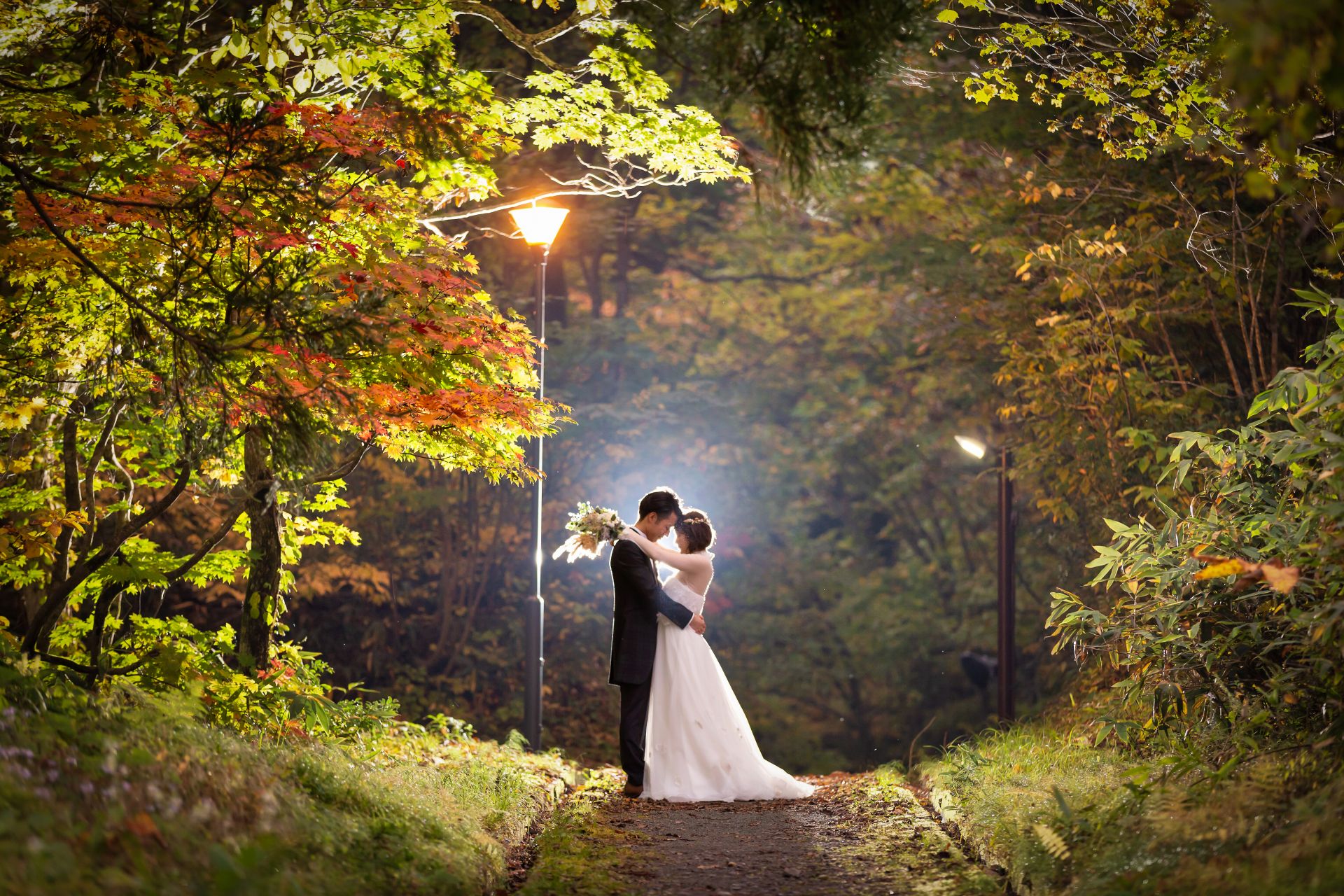
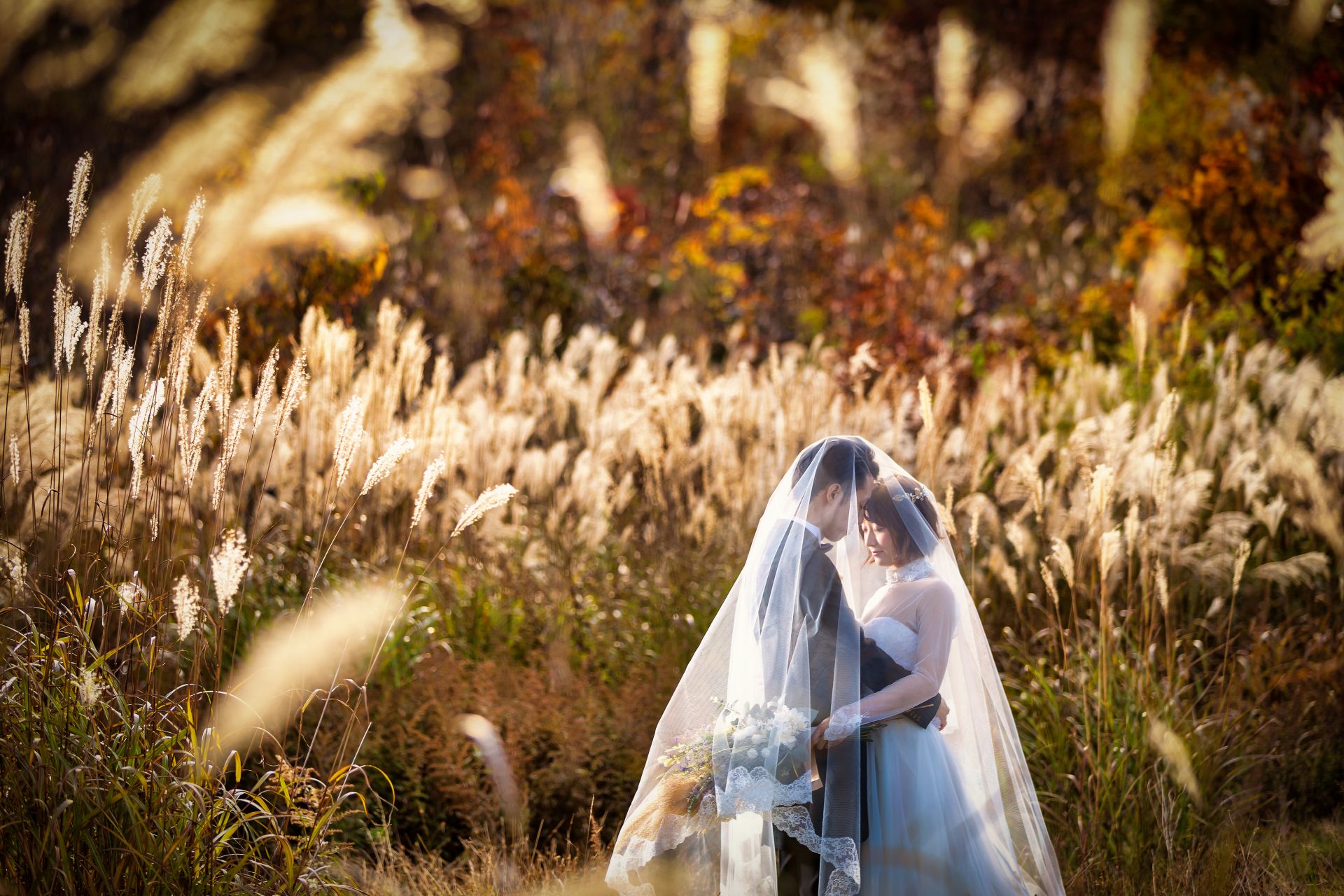
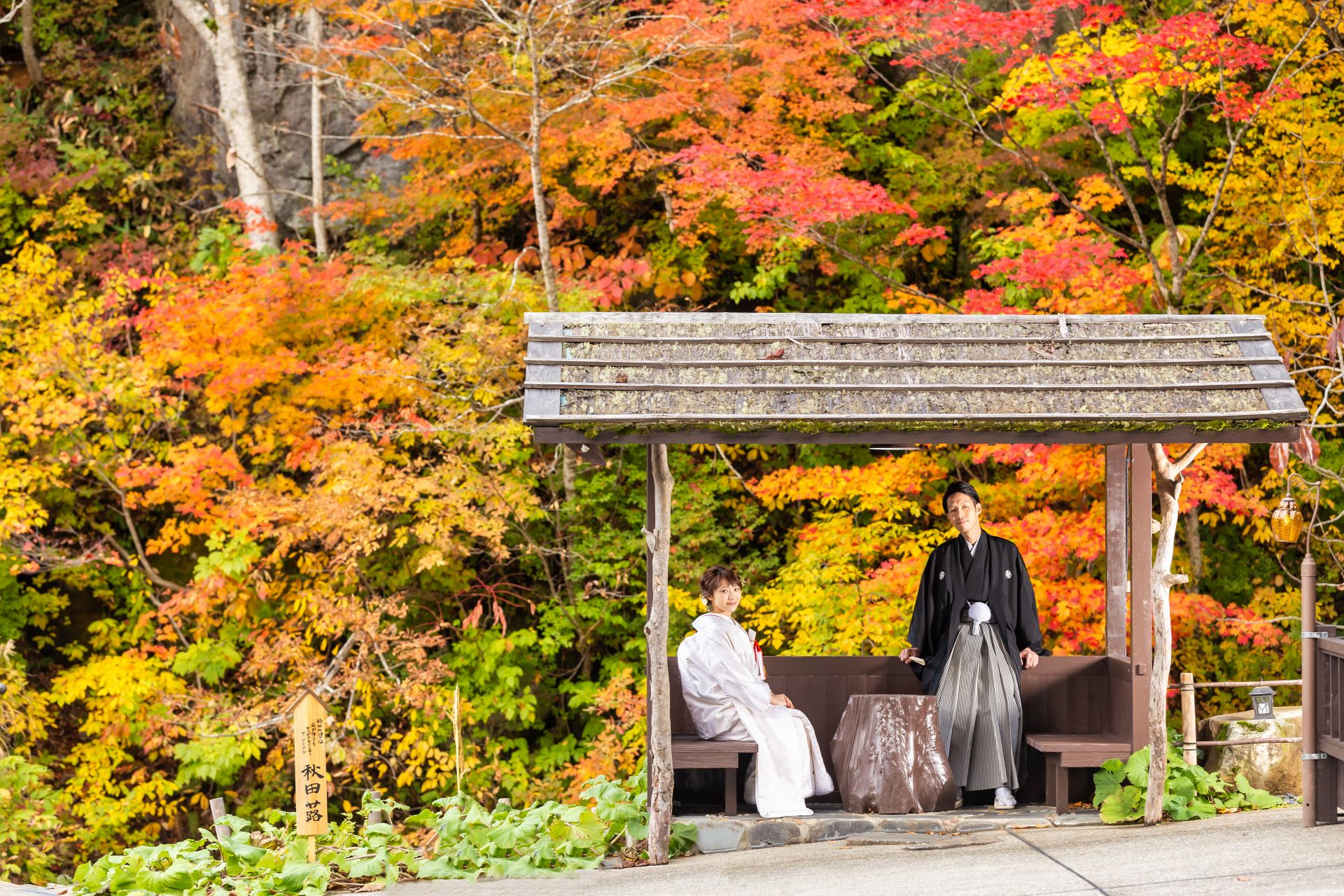
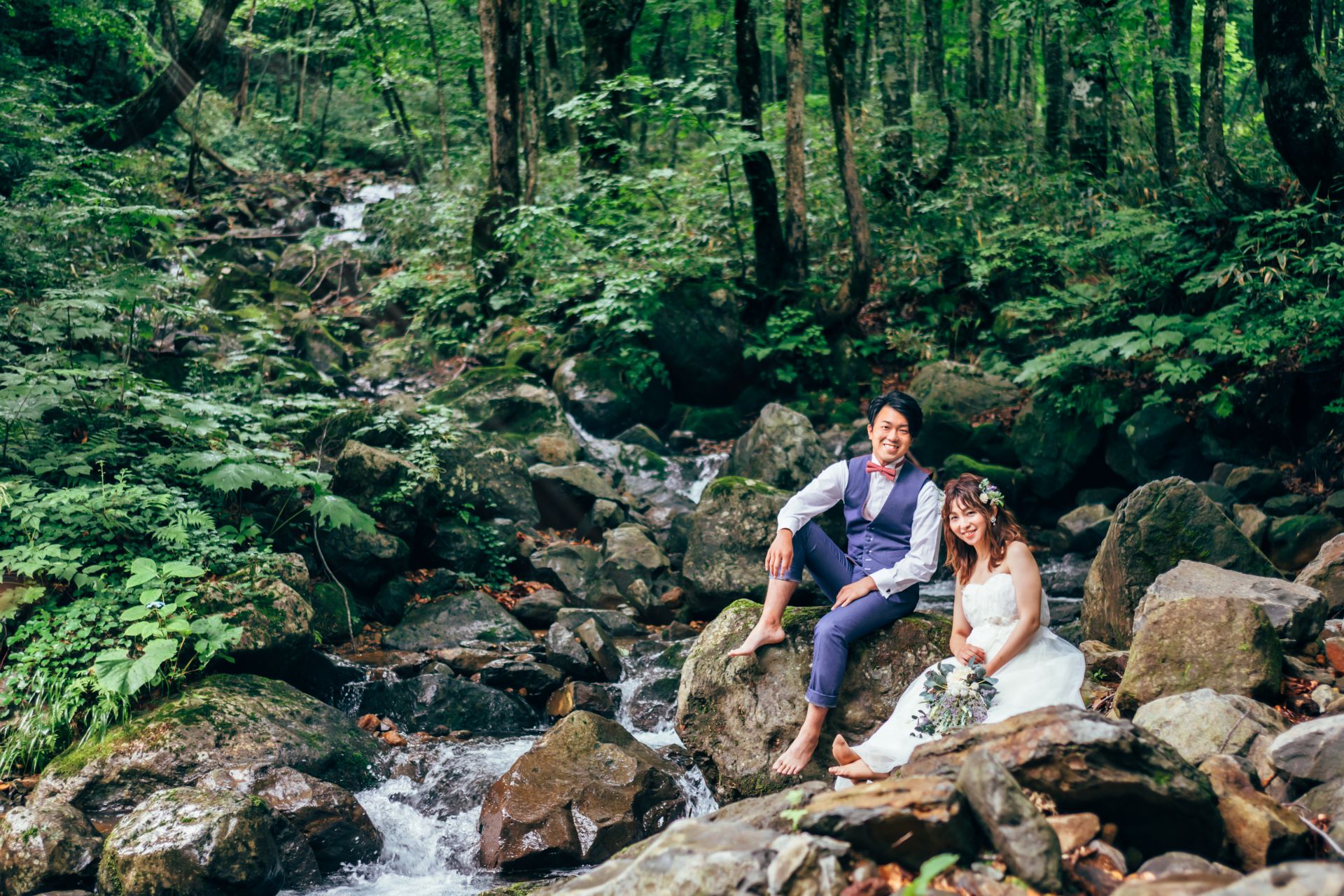
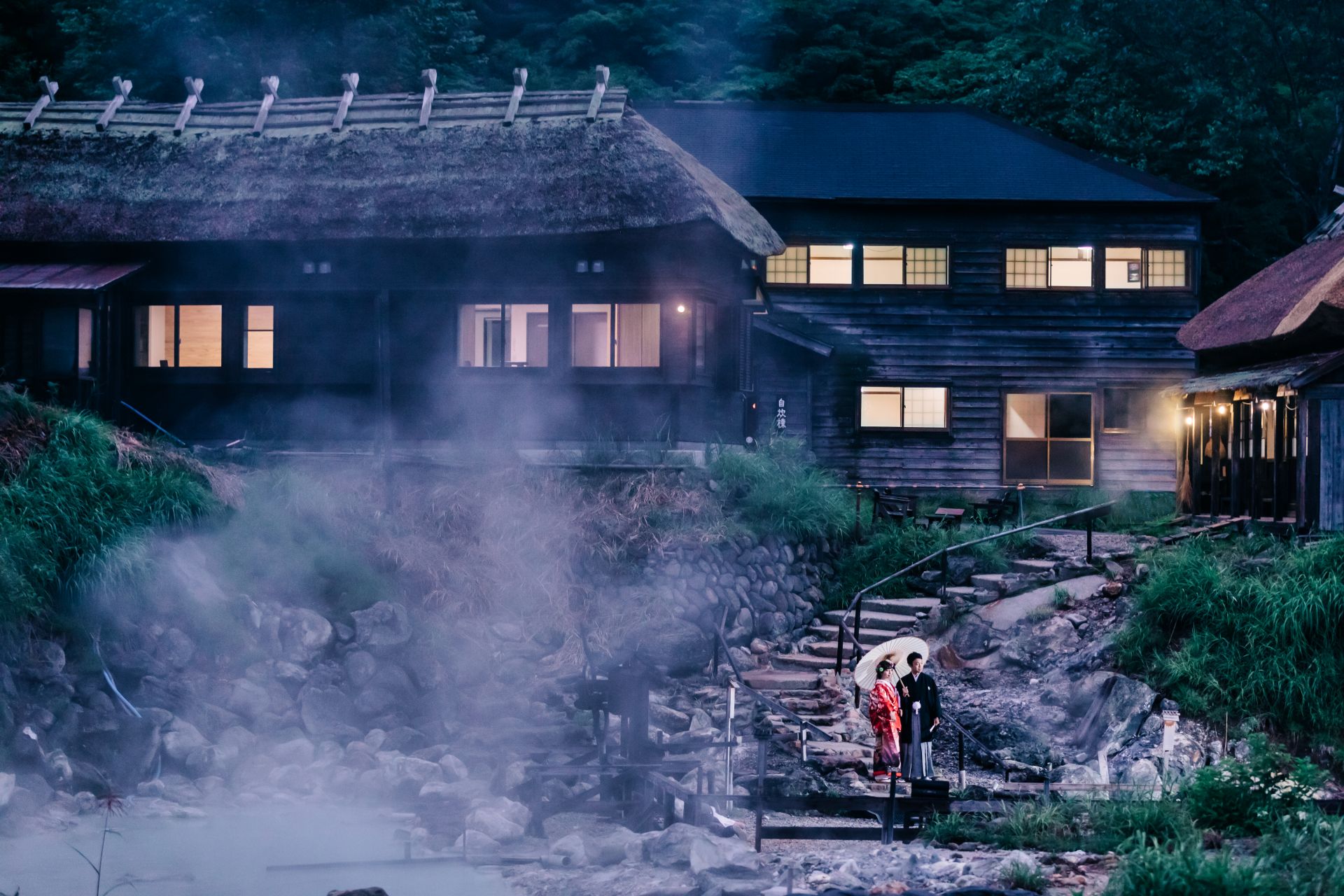
Nyuto Onsenkyo is a hot spring resort with seven hot springs scattered at the foot of Mount Nyuto in Towada-Hachimantai National Park. Each of the seven hot springs has its own source, and the different qualities of the springs make it a hot spring resort where you can enjoy bathing in different baths. With hot springs gushing from underground and magnificent virgin beech forests, Nyuto Onsenkyo is overflowing with the blessings of the earth. Surrounded by the natural beauty of beech trees, you can experience the changing seasons of Nyuto Onsenkyo with a landscape of fresh greenery and vibrantly colored autumn leaves.
Location Introduction - Akita Nairiku Jukan Railway (Matsuba Station)
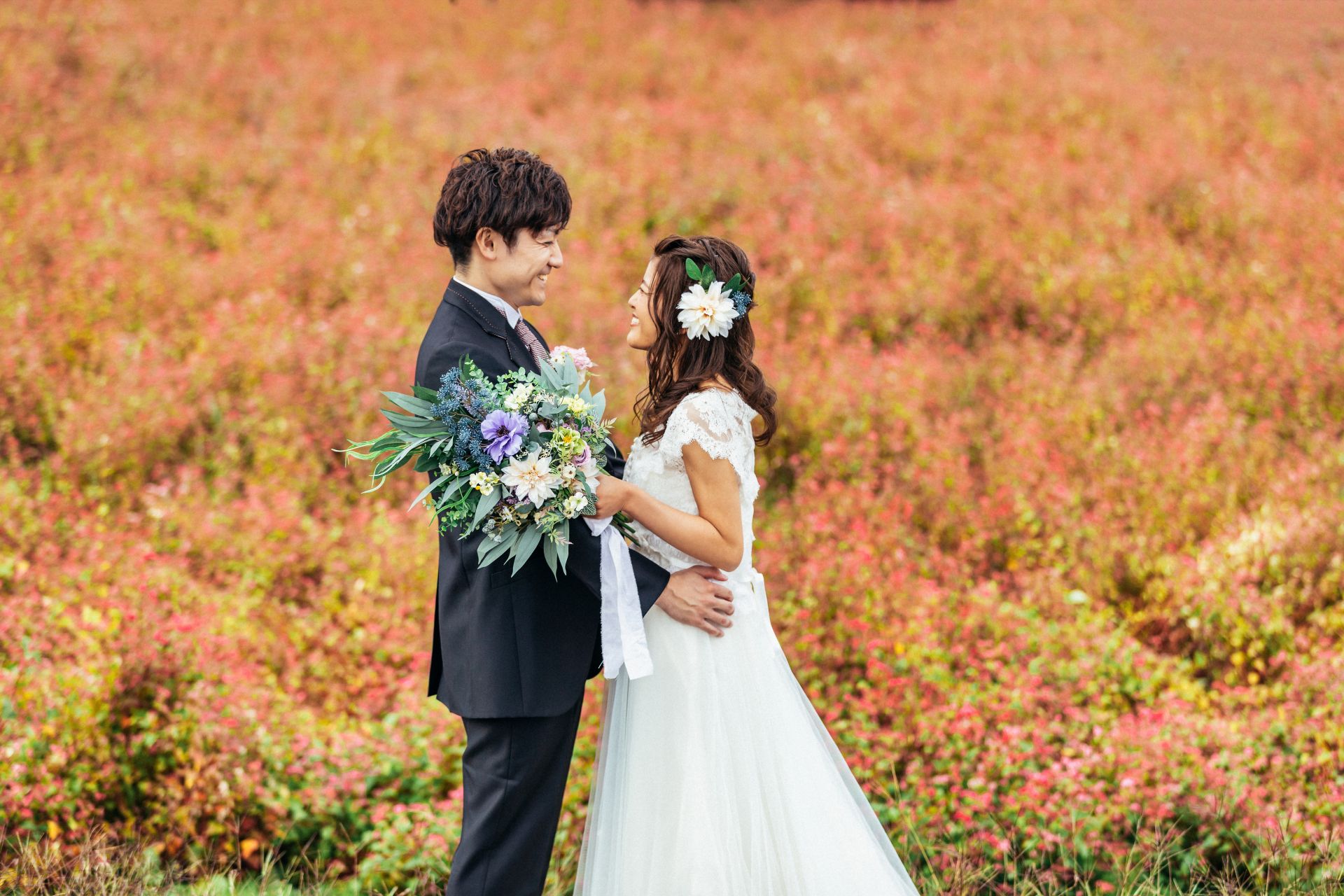
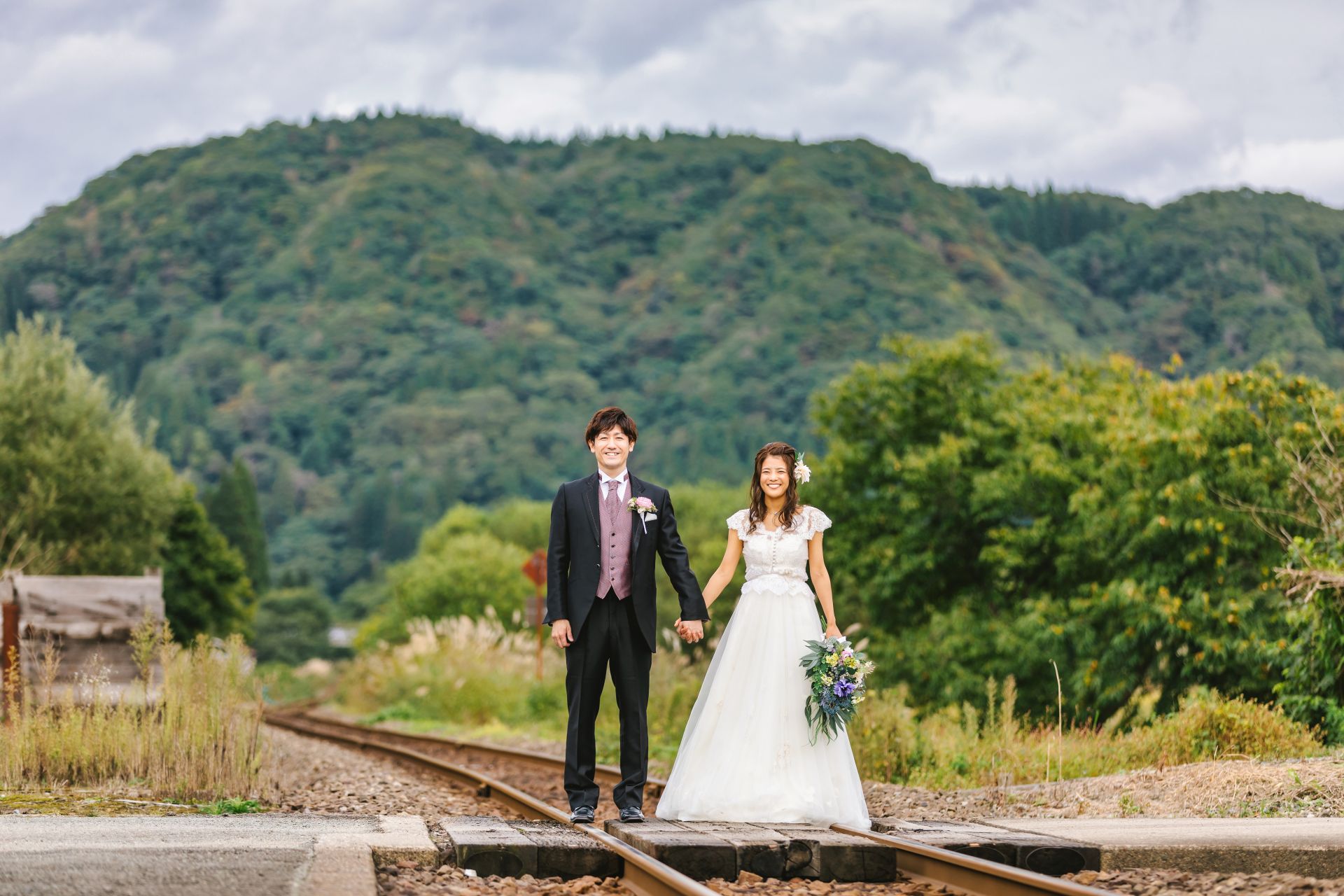
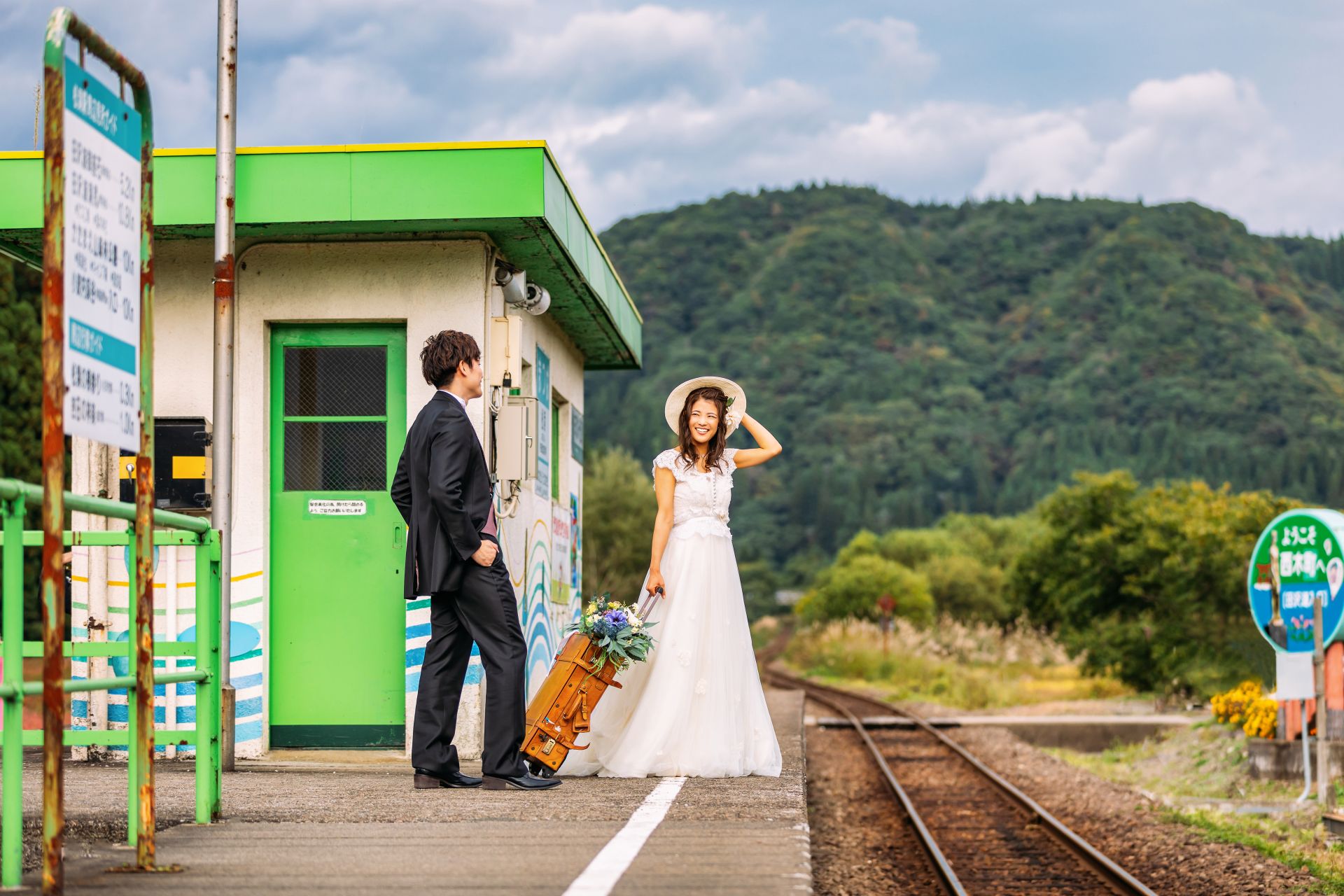
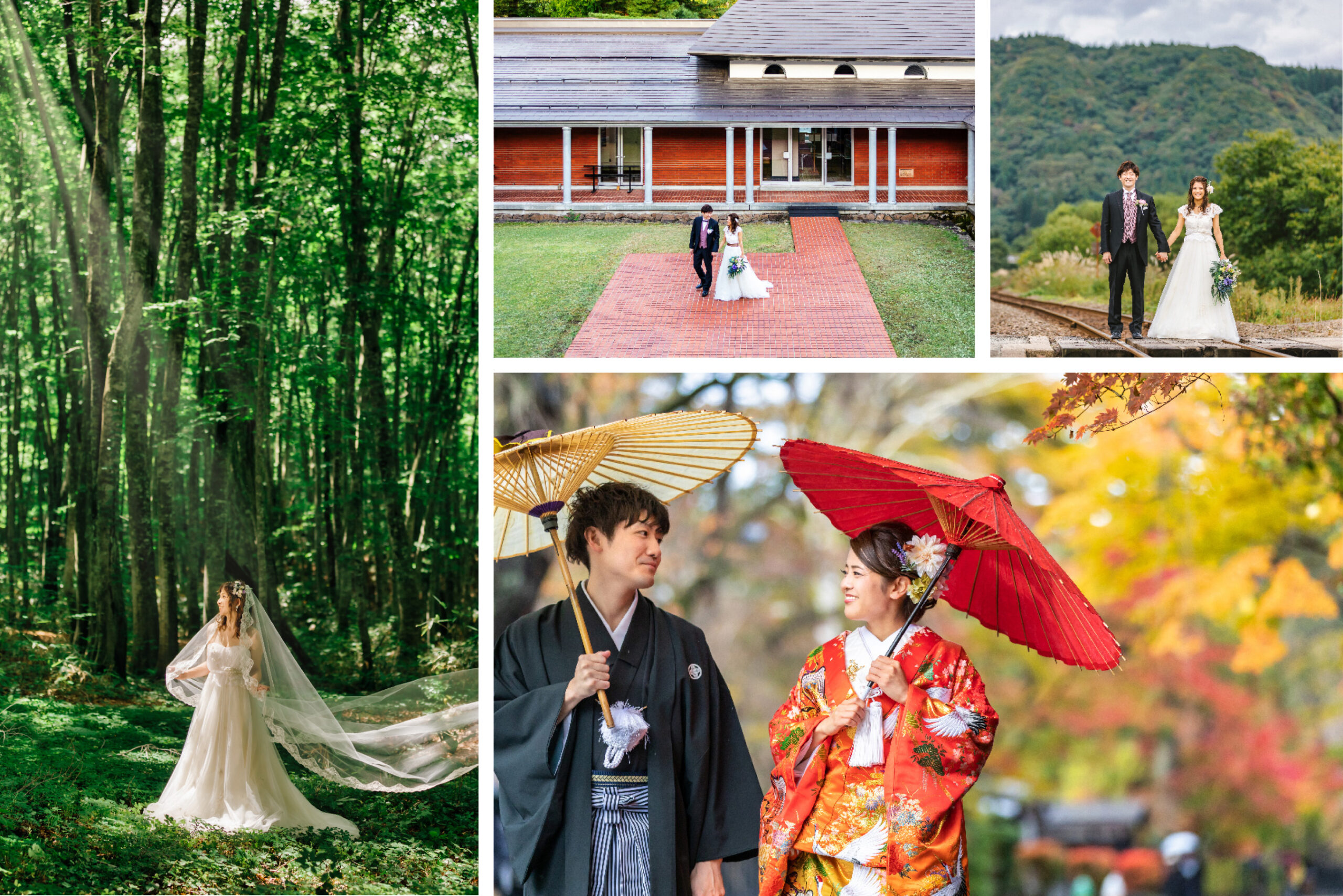
The Akita Nairiku Line is a local railway that connects Takanosu Station in Kitaakita City, Akita Prefecture, to Kakunodate Station in Senboku City. The 94.2 km of tracks are surrounded by nature, and the scenery seen from the train window changes with the seasons. Along the line, you’ll find beautiful nature and nostalgic scenes that give a glimpse into the lives of the local people. The buckwheat flowers near Matsuba Station bloom in a brilliant pink, creating a beautiful backdrop.
Location Introduction - Memories of Lagoon Branch School (Lake Tazawa)
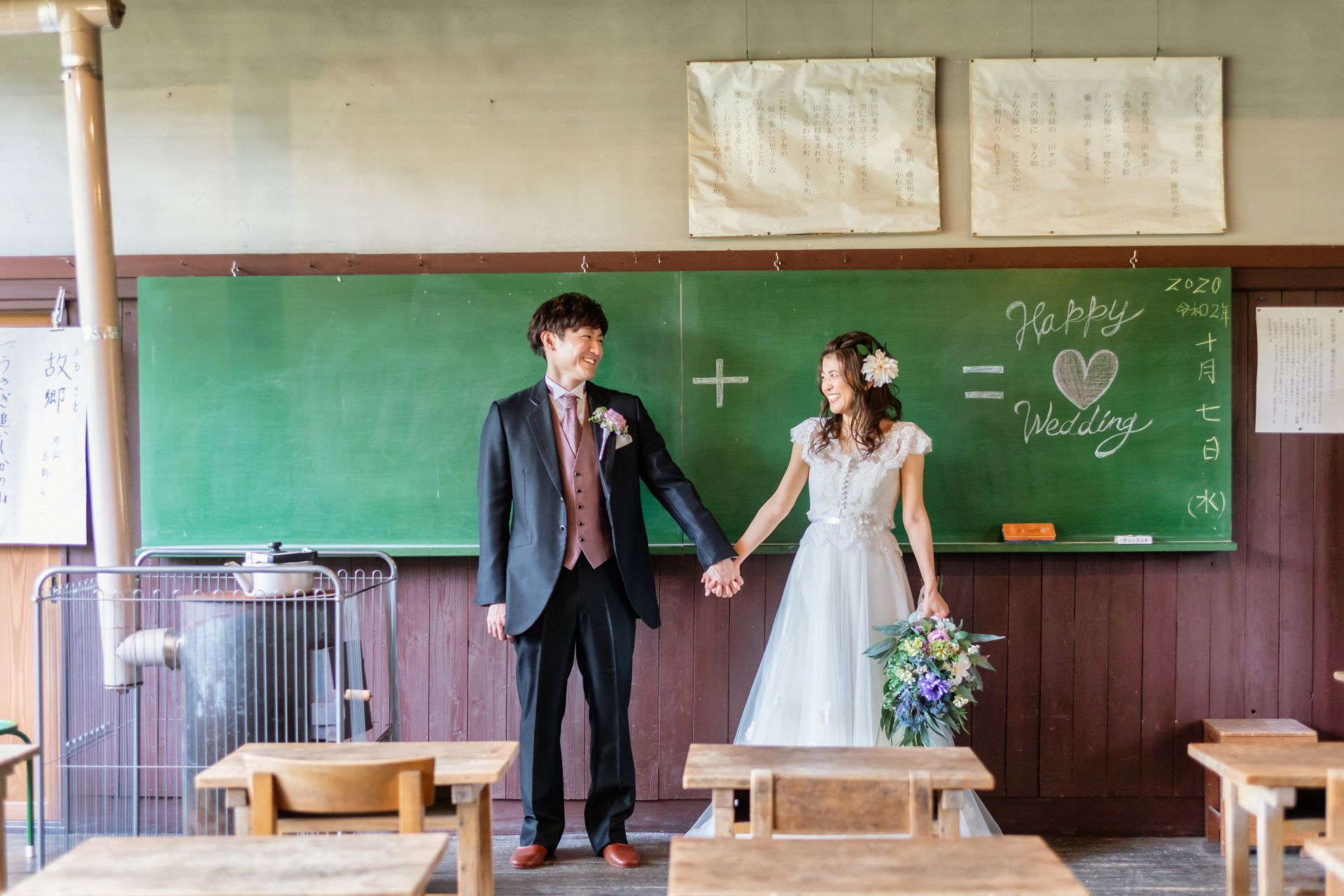
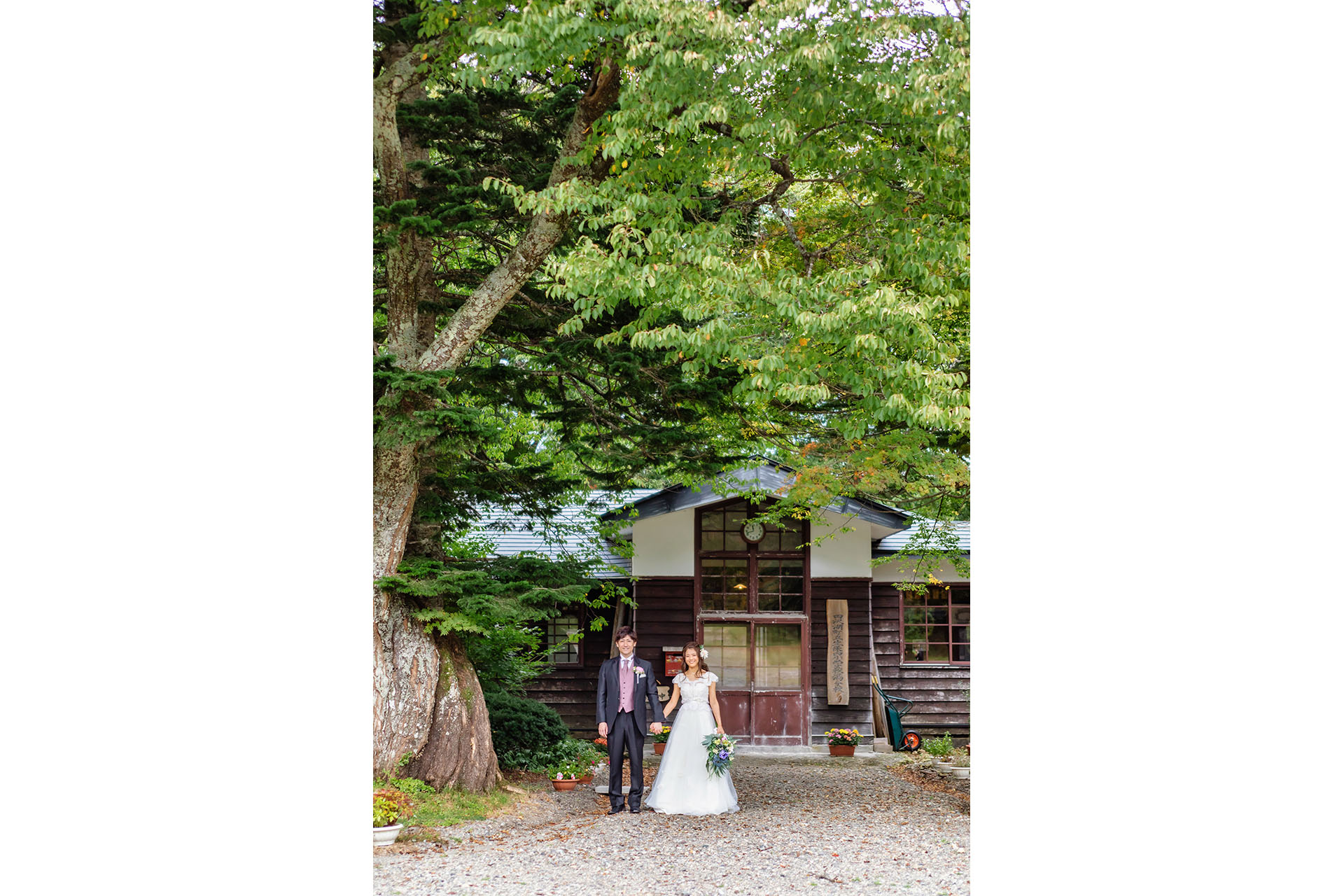
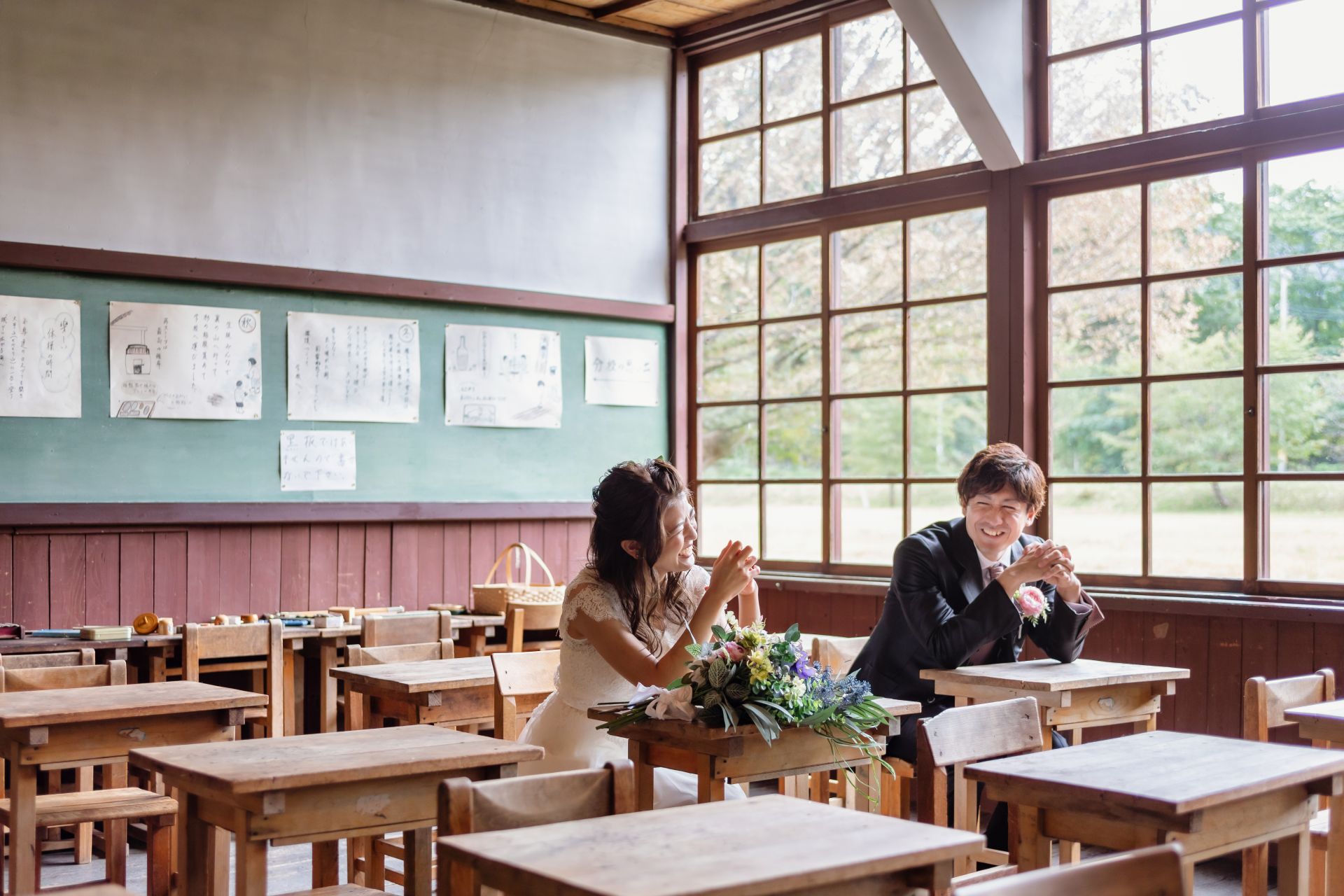
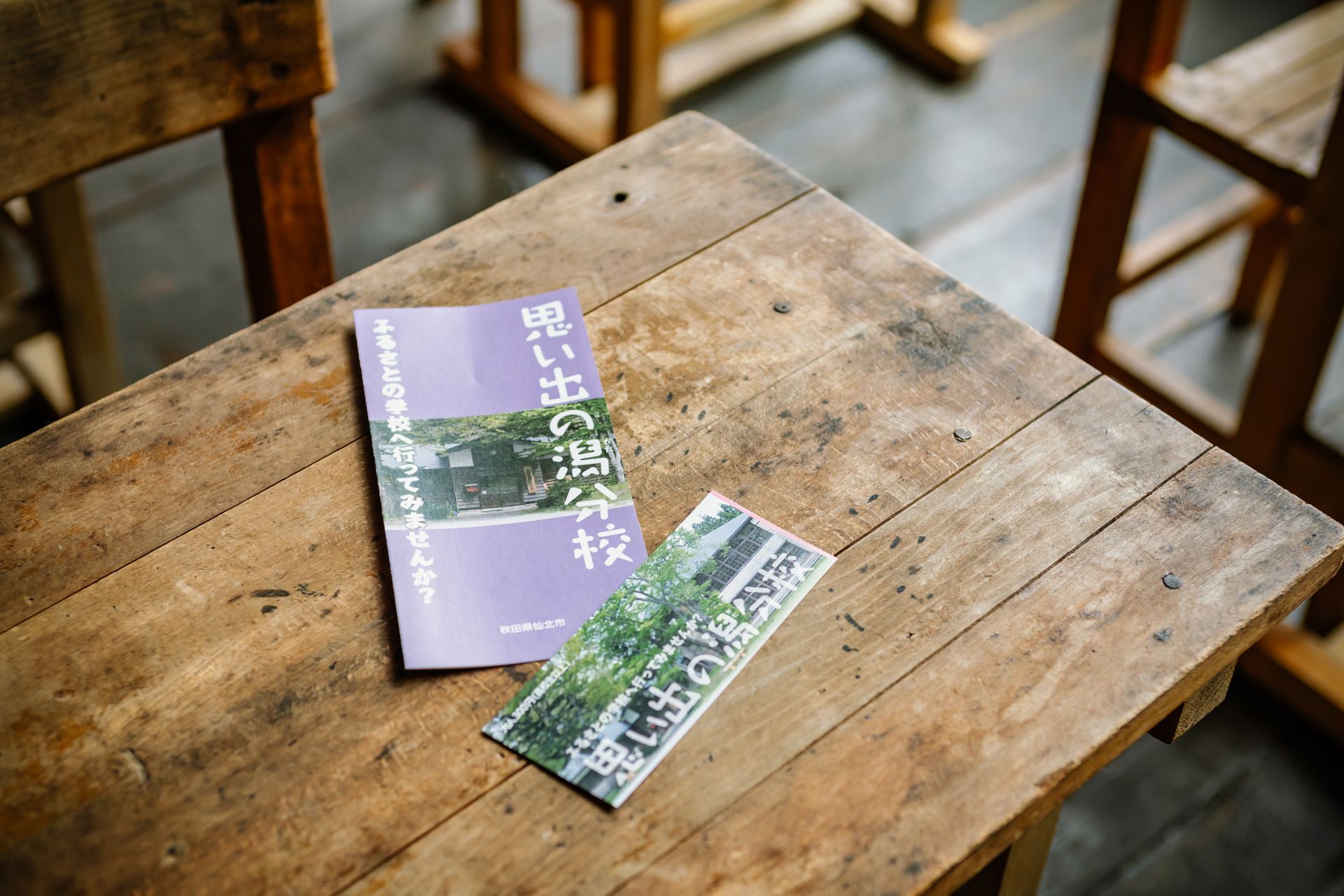
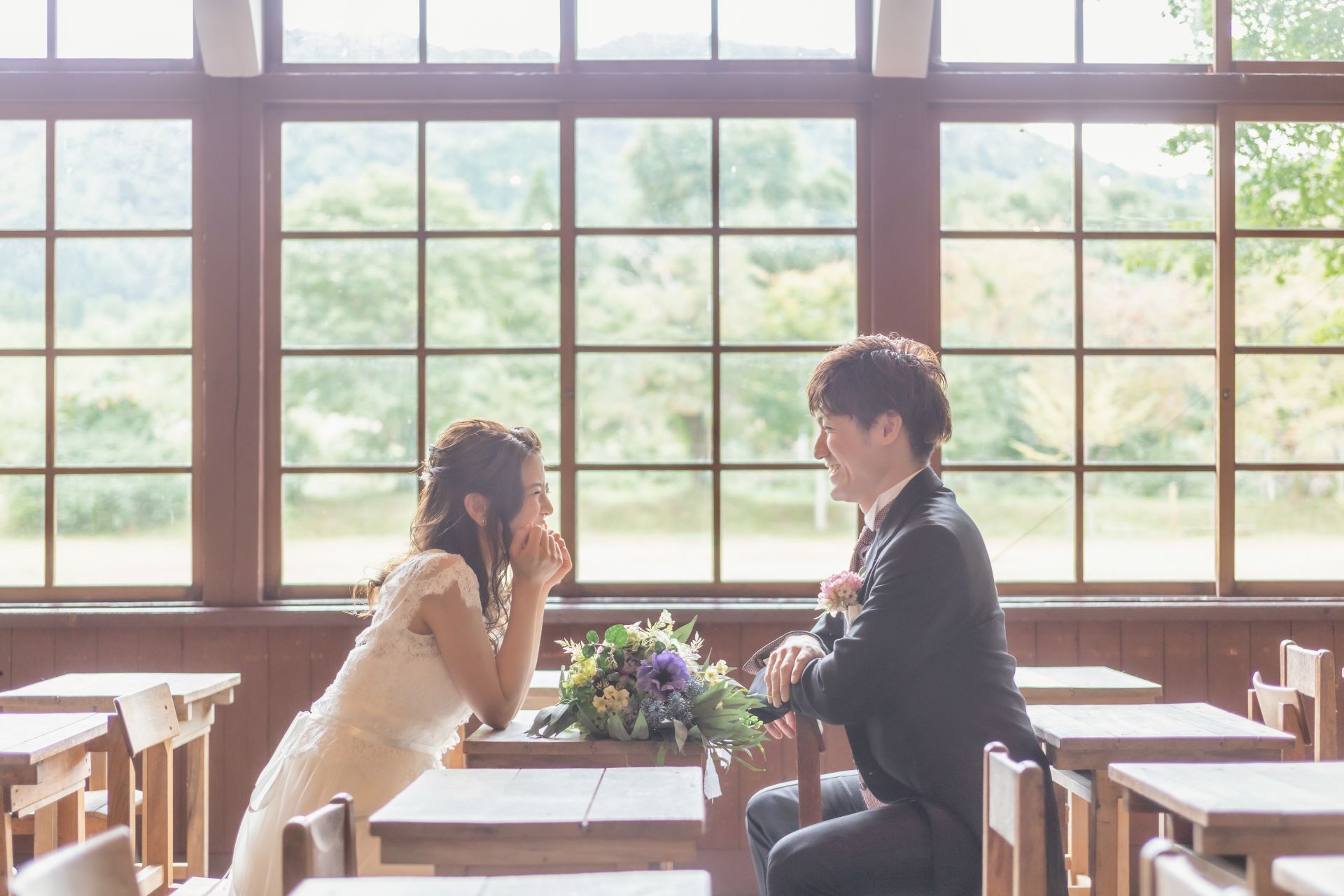
The “Memories of Kata Branch School” was closed in 1974, but was later restored and opened to the public in 2004. It still looks the same as it did back then, and even today, it is a building that evokes a sense of nostalgia. The school building and classrooms have been left as they were back then, and sitting in a classroom chair will bring to mind the atmosphere of those days. Sunlight streams in through the windows in the gymnasium, making you feel like you’ve gone back to those innocent days. Even the nostalgic hallways and staircases will make for a nostalgic photo.
Hirafuku Memorial Museum of Art (Kakunodate)
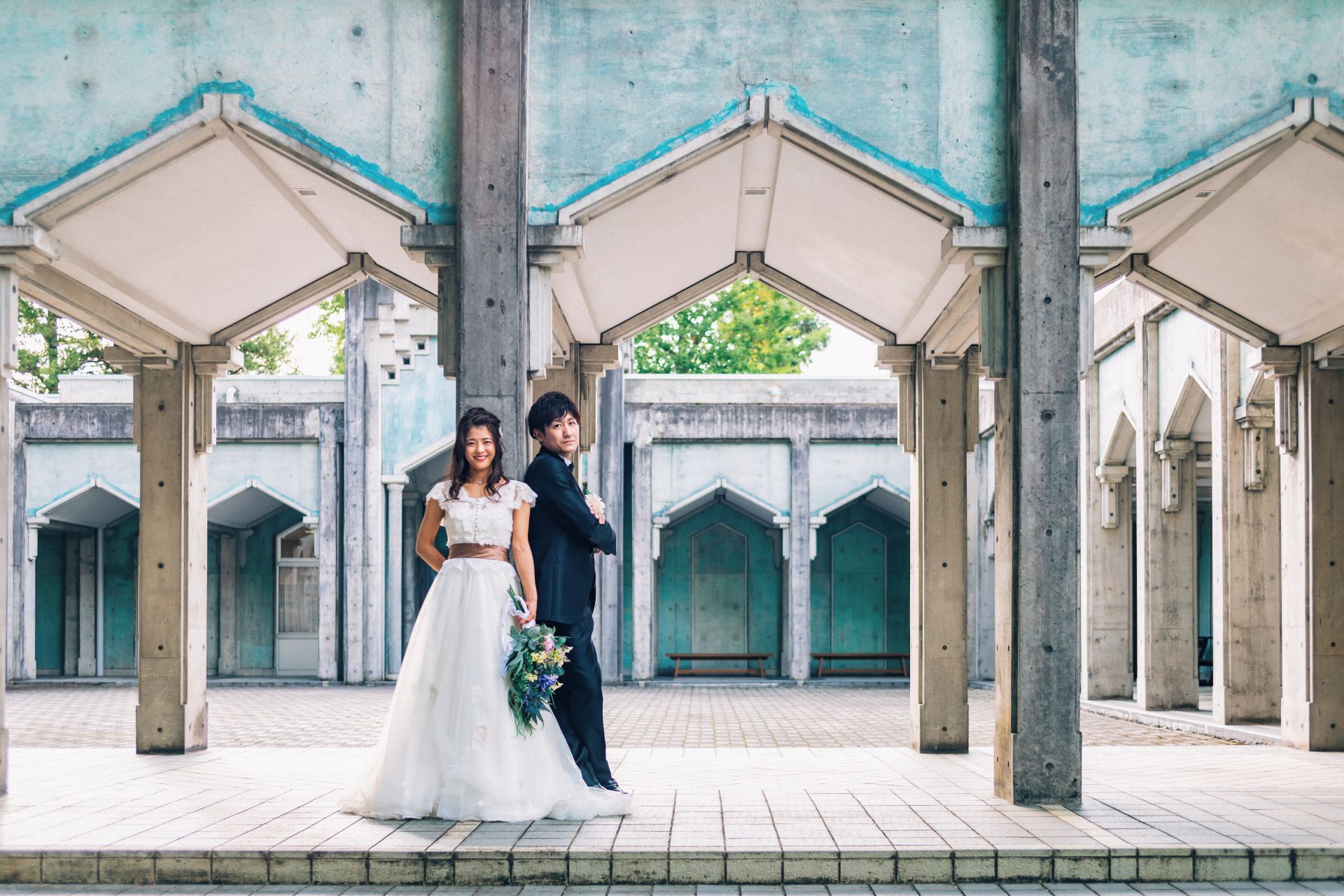
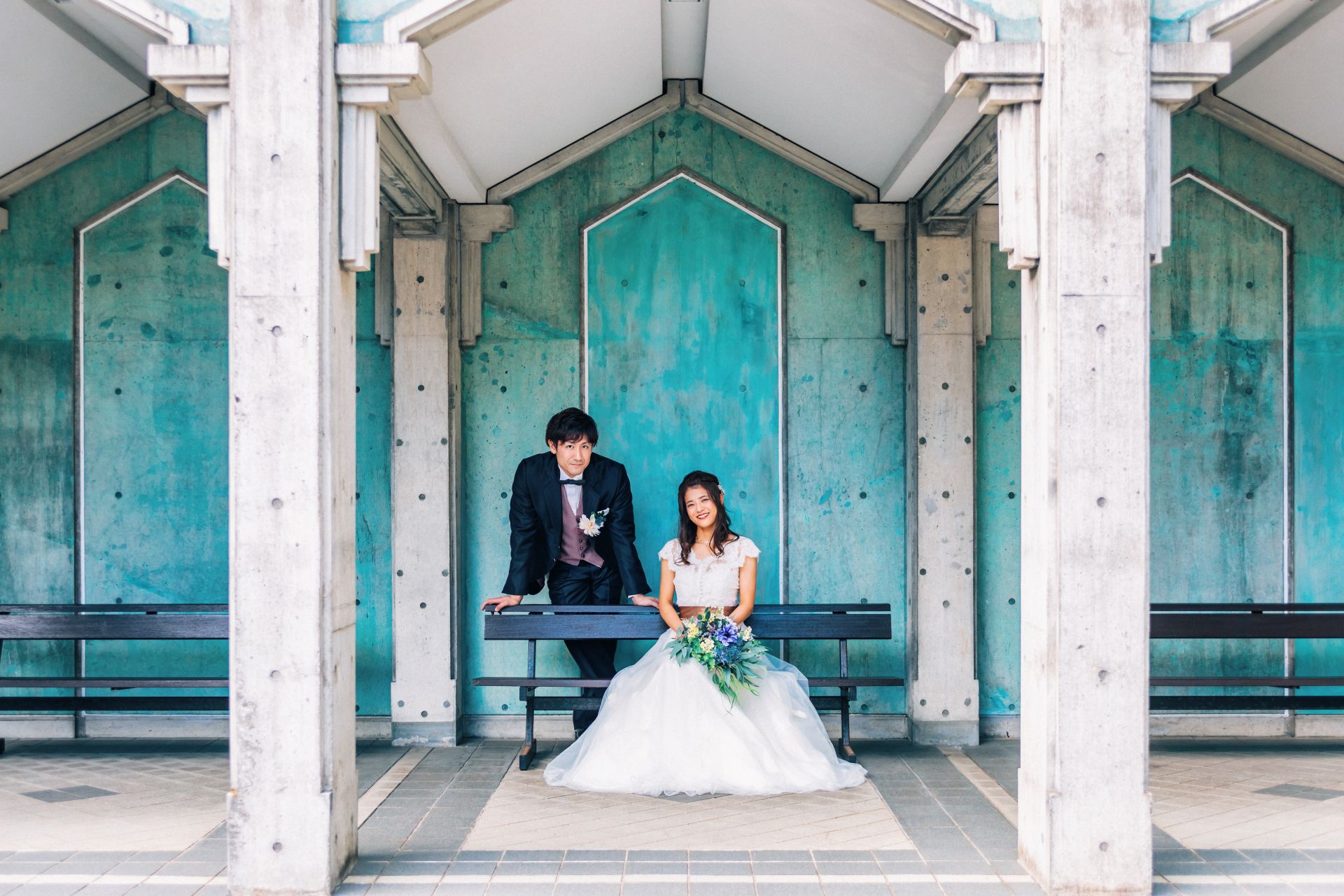
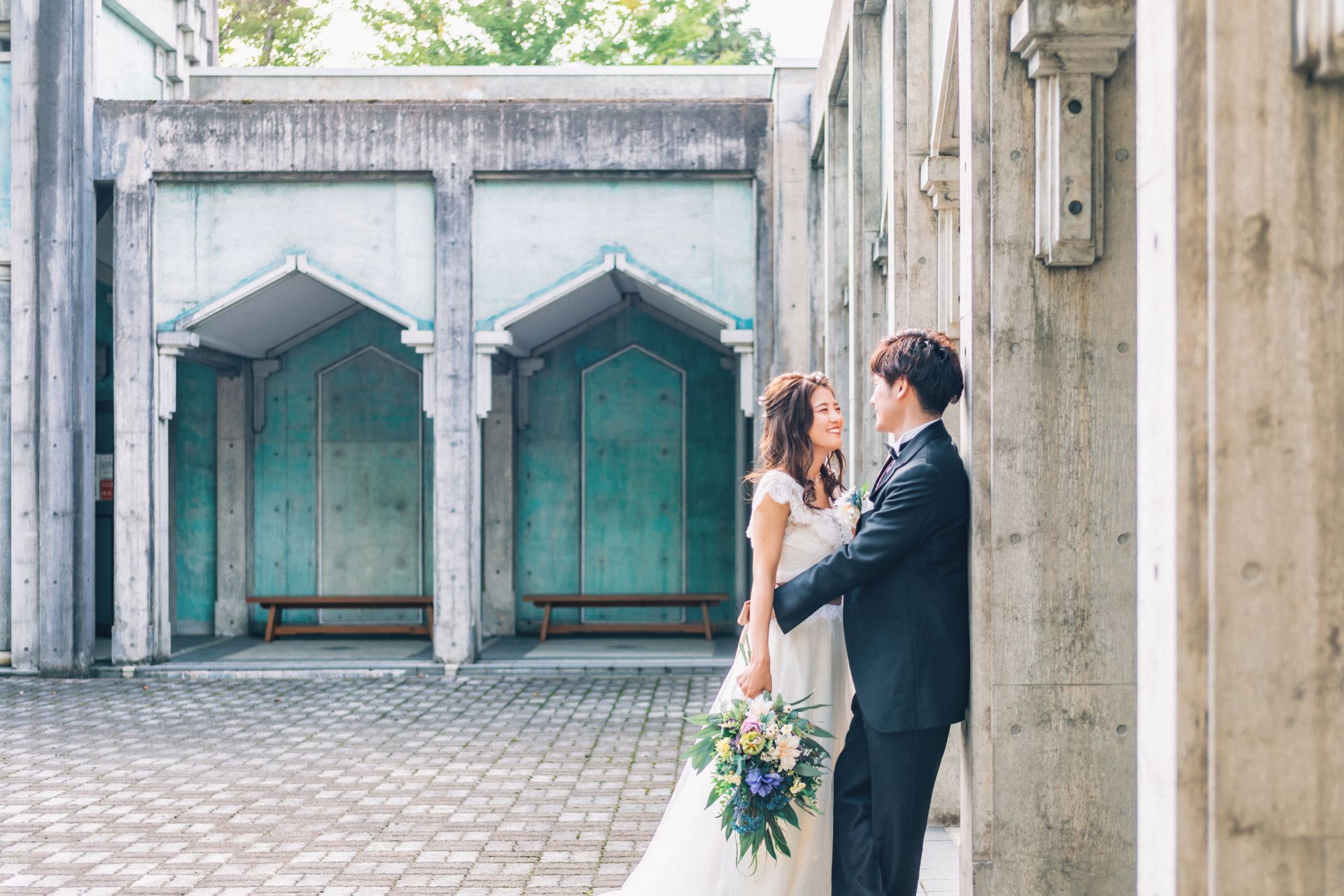
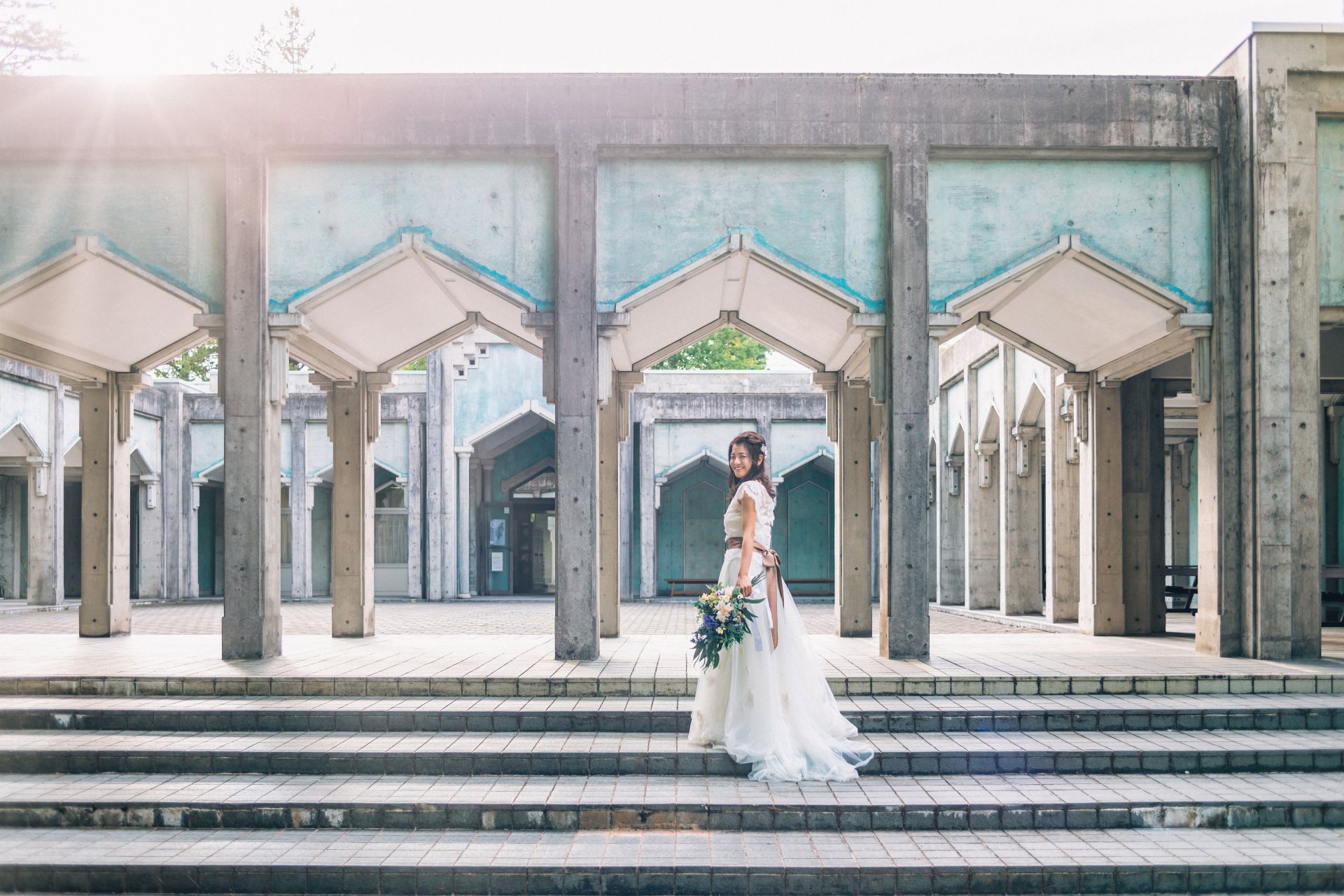
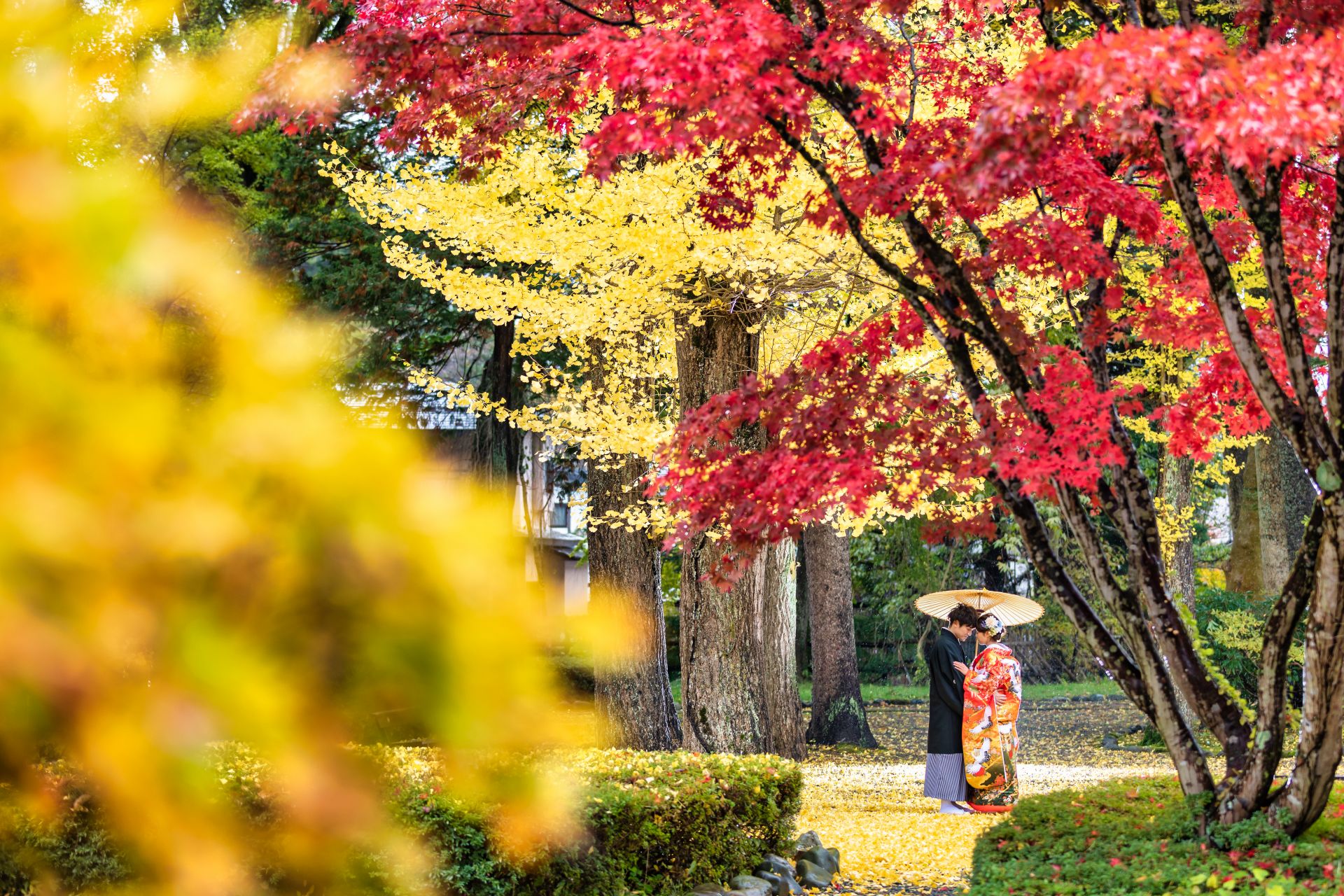
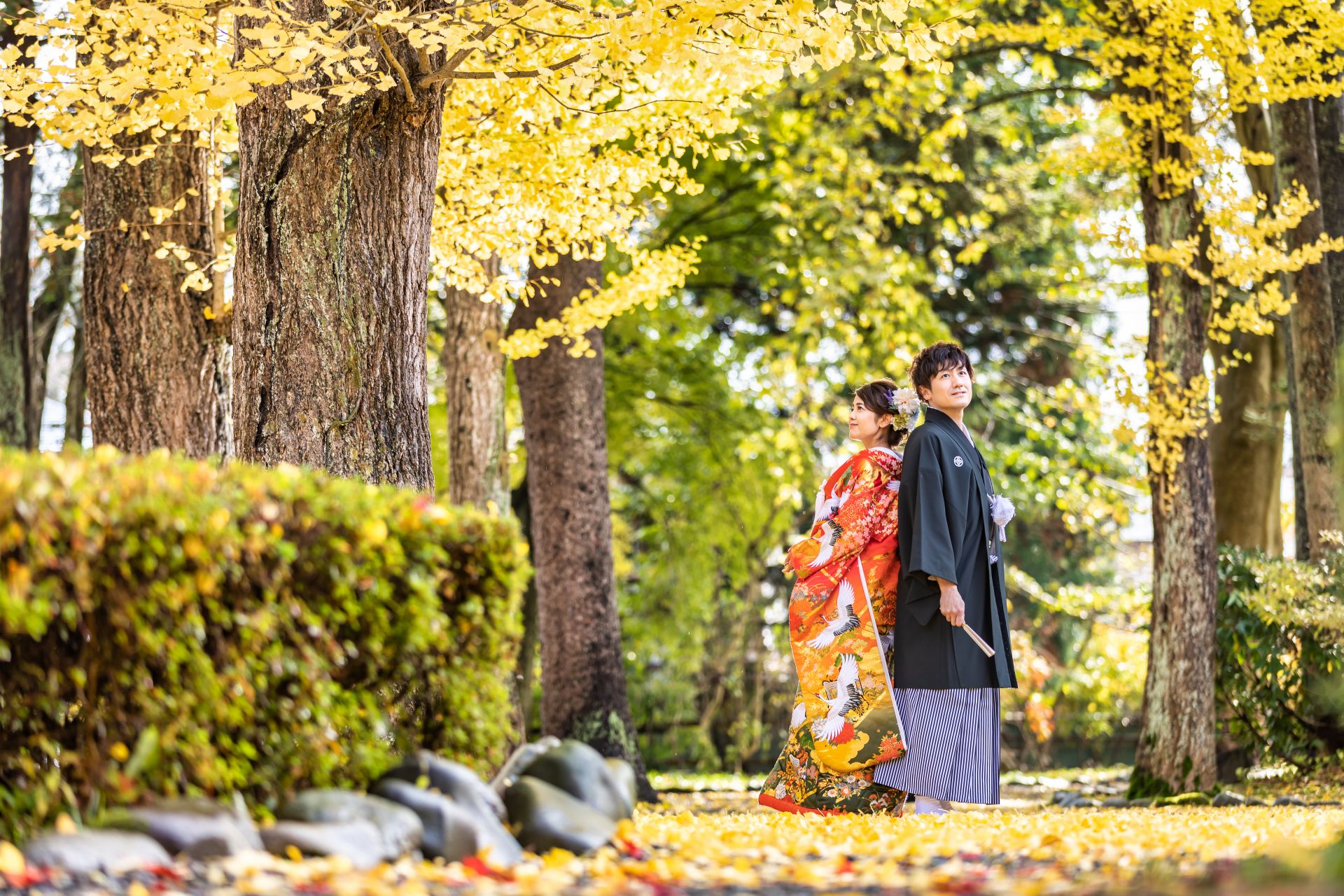
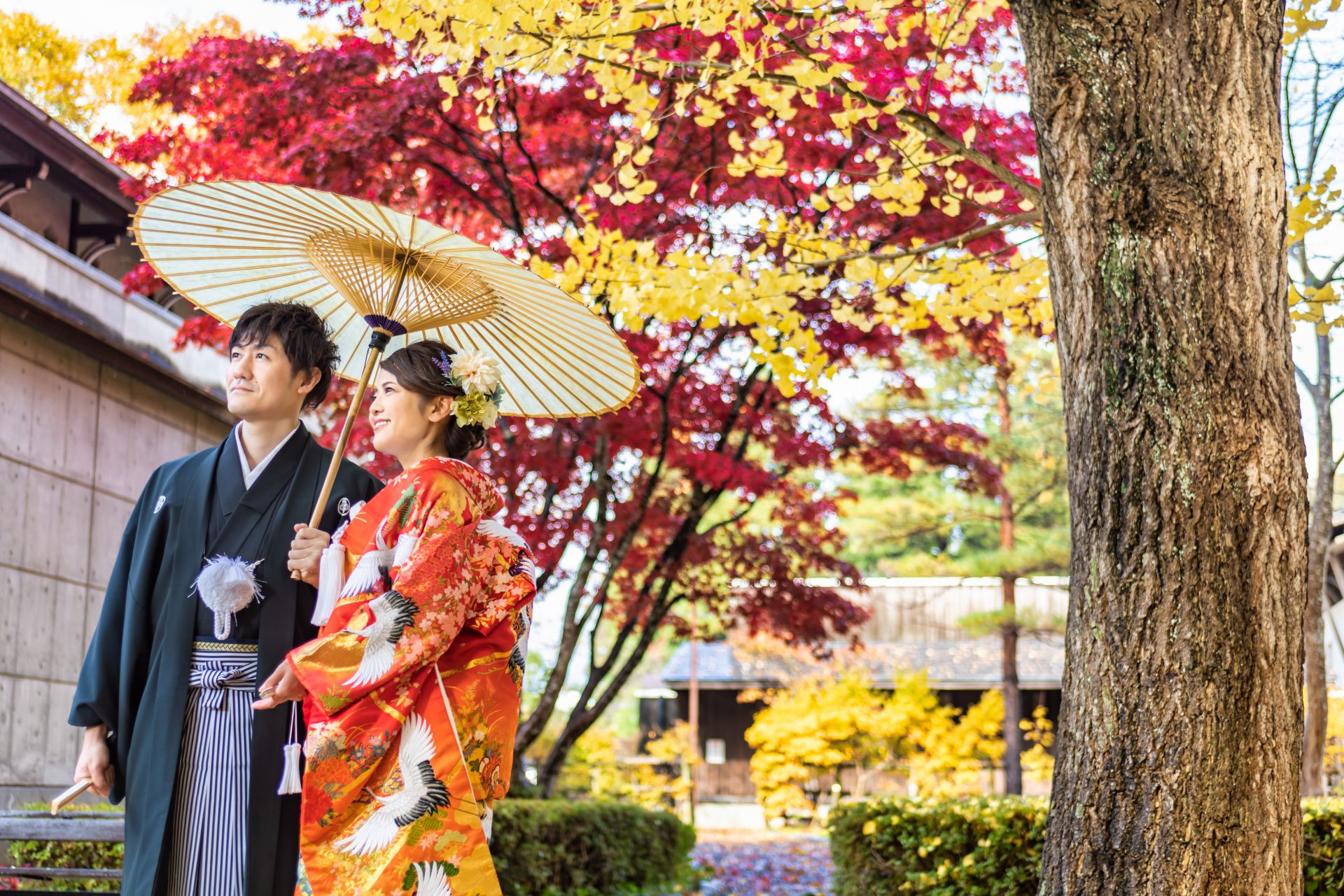
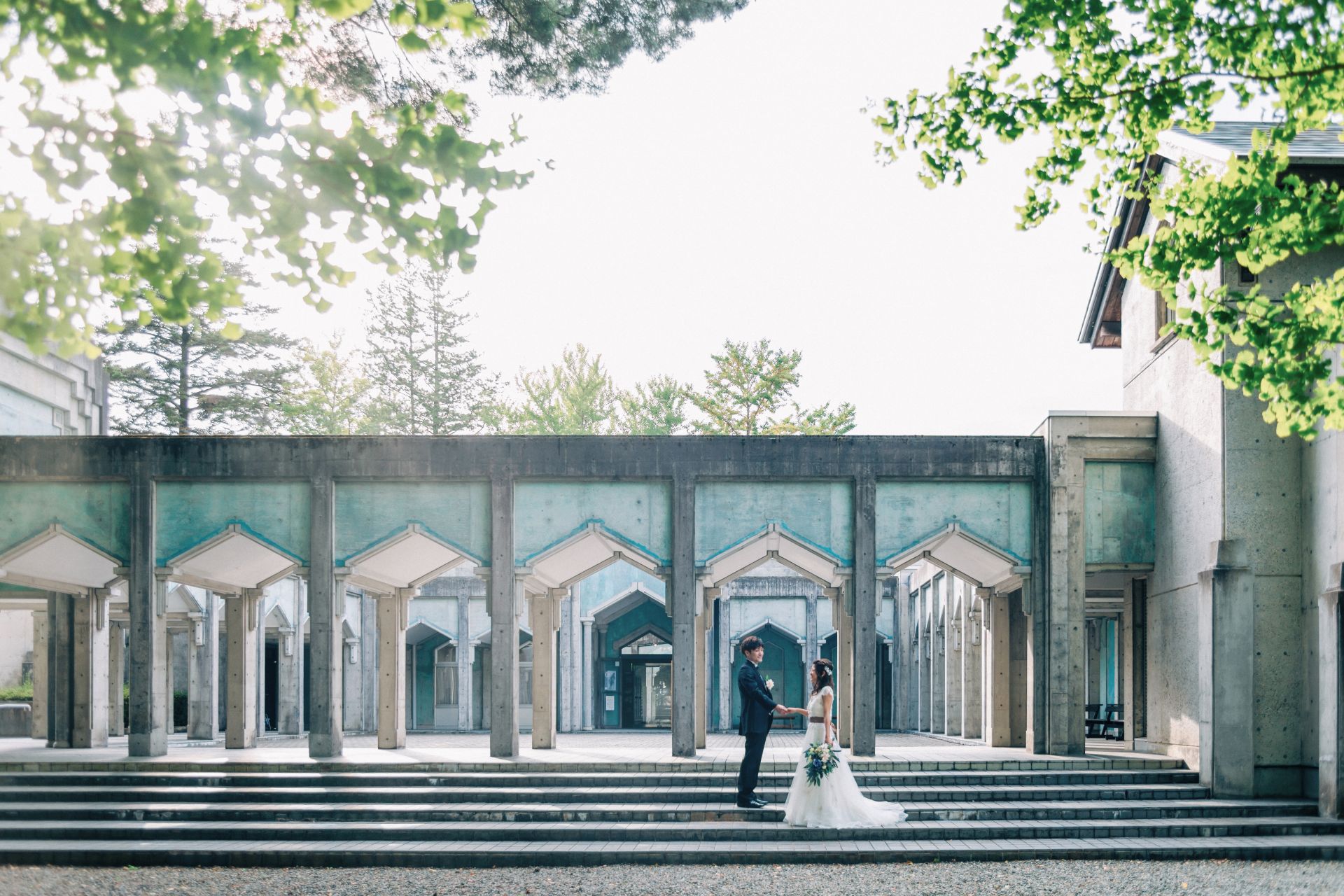
This Western-style art museum is located at the northern end of Samurai Residence Street and was designed by Oe Hiroshi, who is famous for designing the National Noh Theatre and Hosei University. The trees that were there when the samurai residence was still there remain in the courtyard, and the harmony between the exterior reminiscent of old Nordic architecture and the samurai residence is one of the highlights. In autumn, the ginkgo leaves in the courtyard turn a brilliant color, making it a recommended place to visit during the autumn foliage season.
Location Introduction - Birch Crafts Museum (Kakunodate)
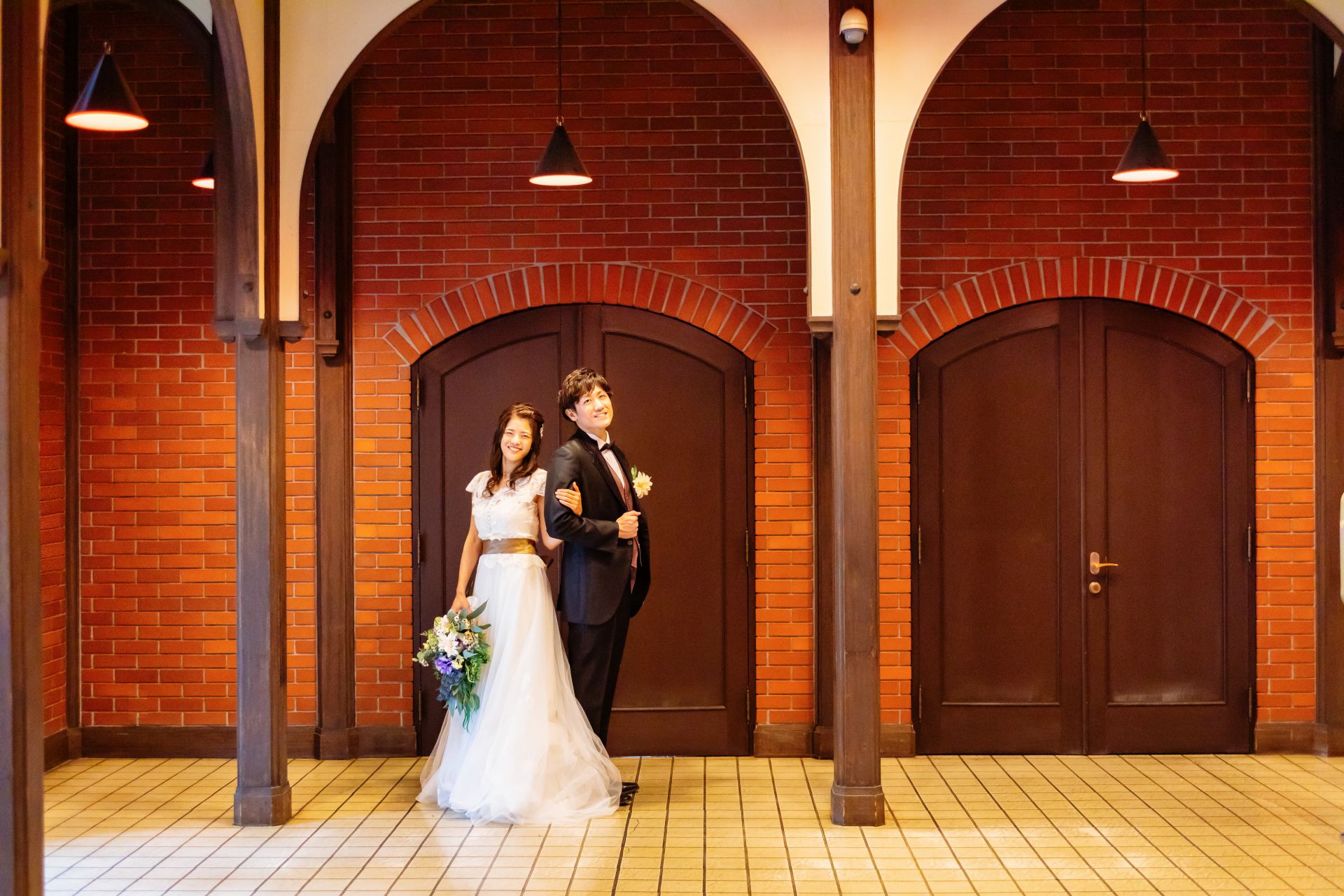
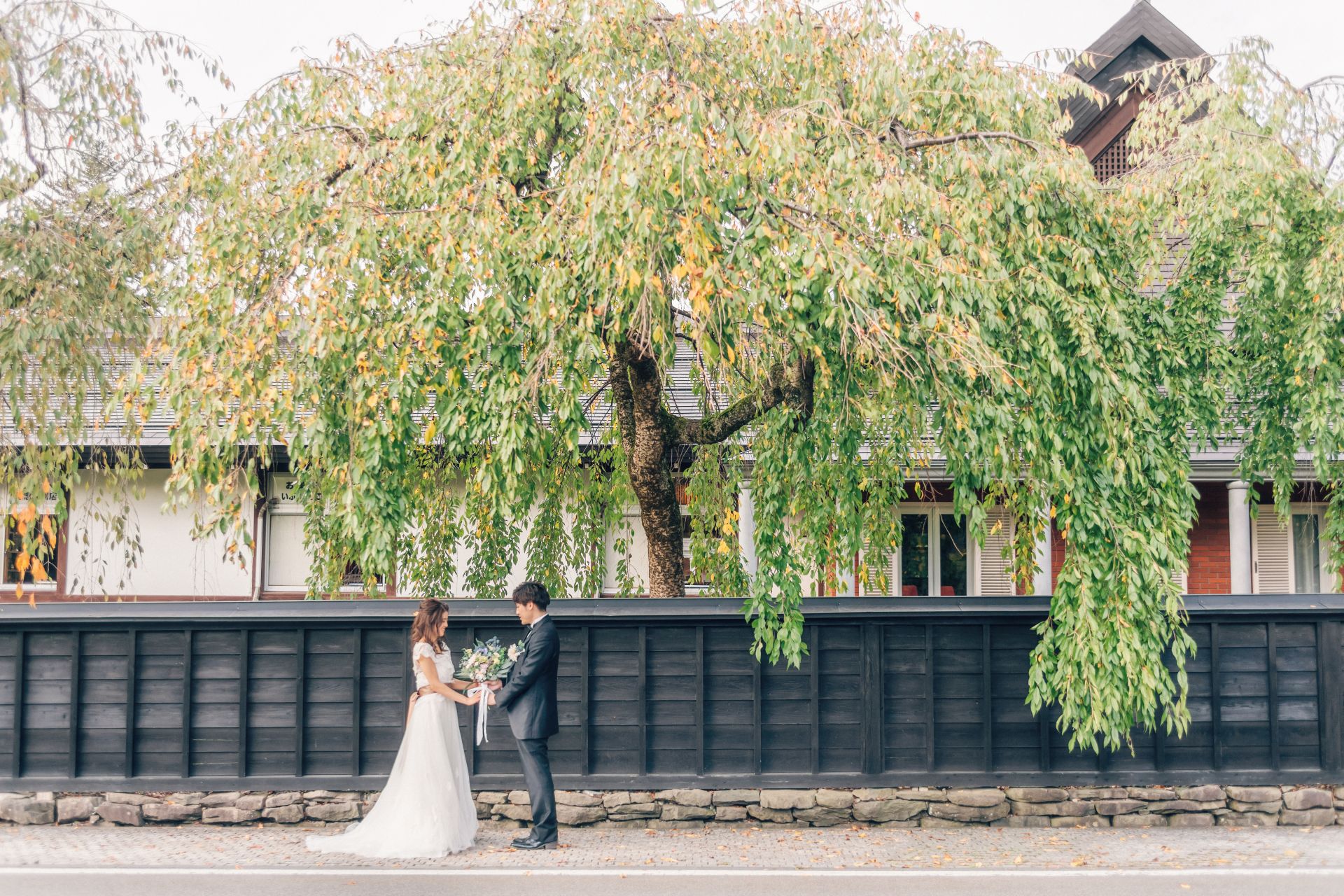
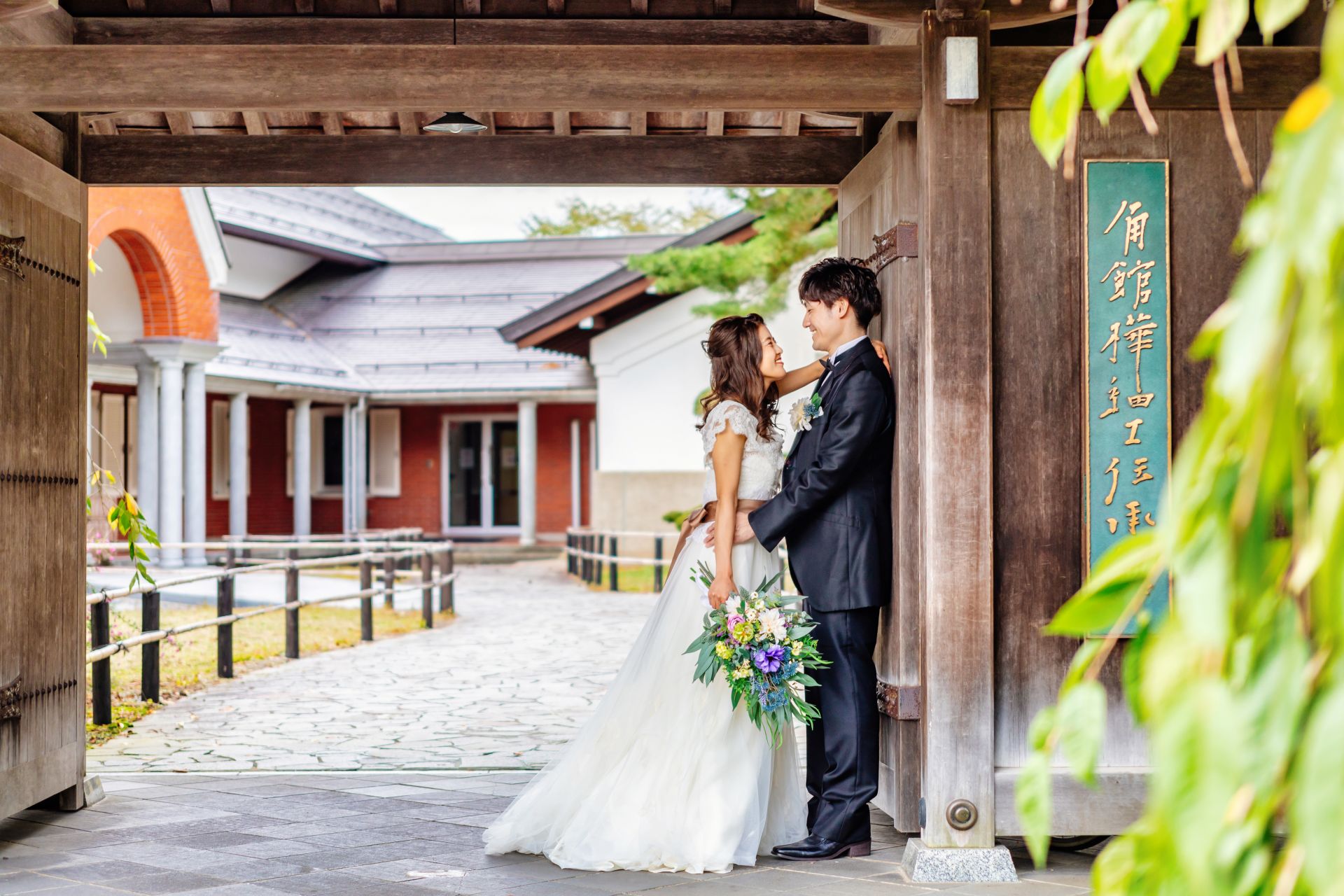
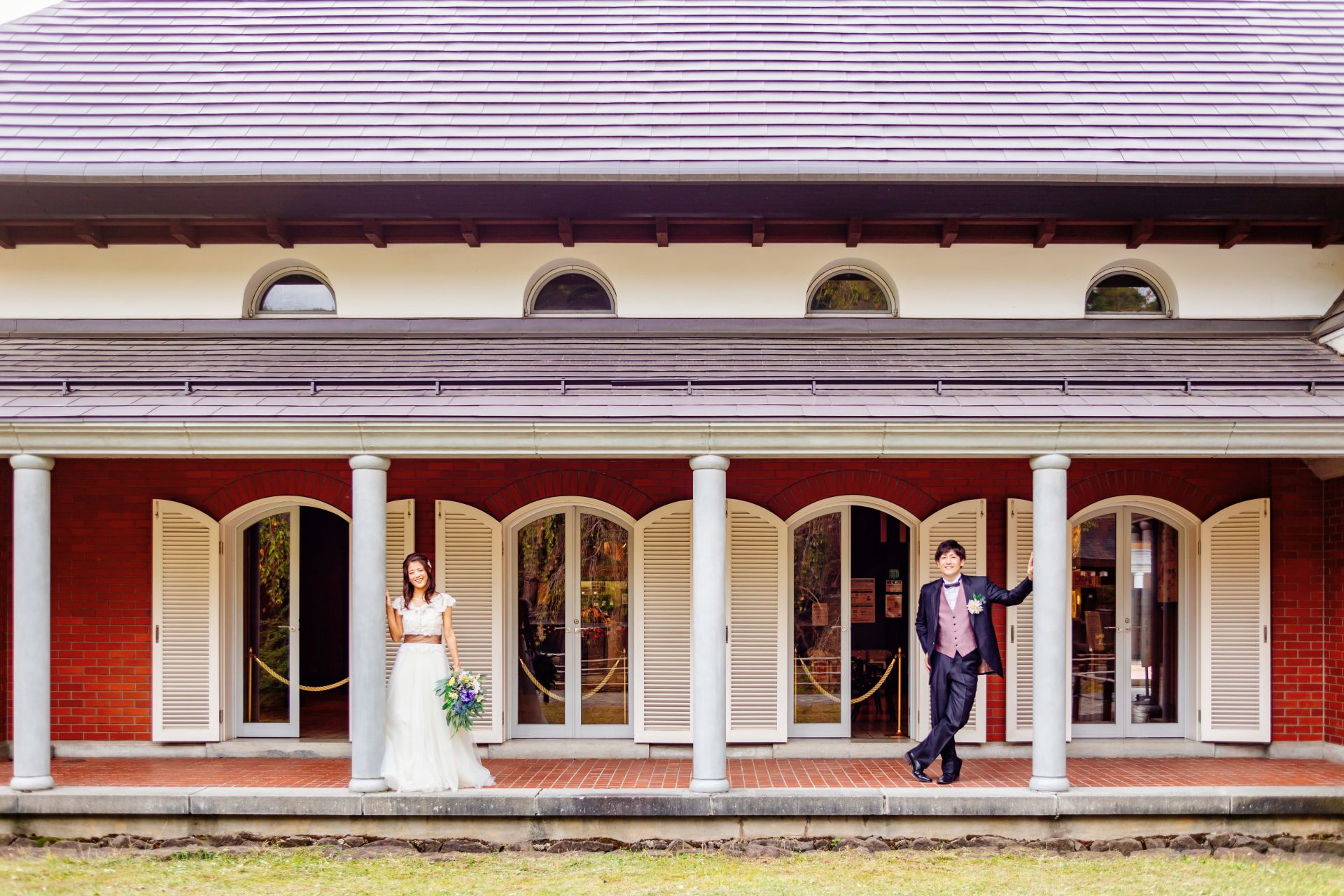
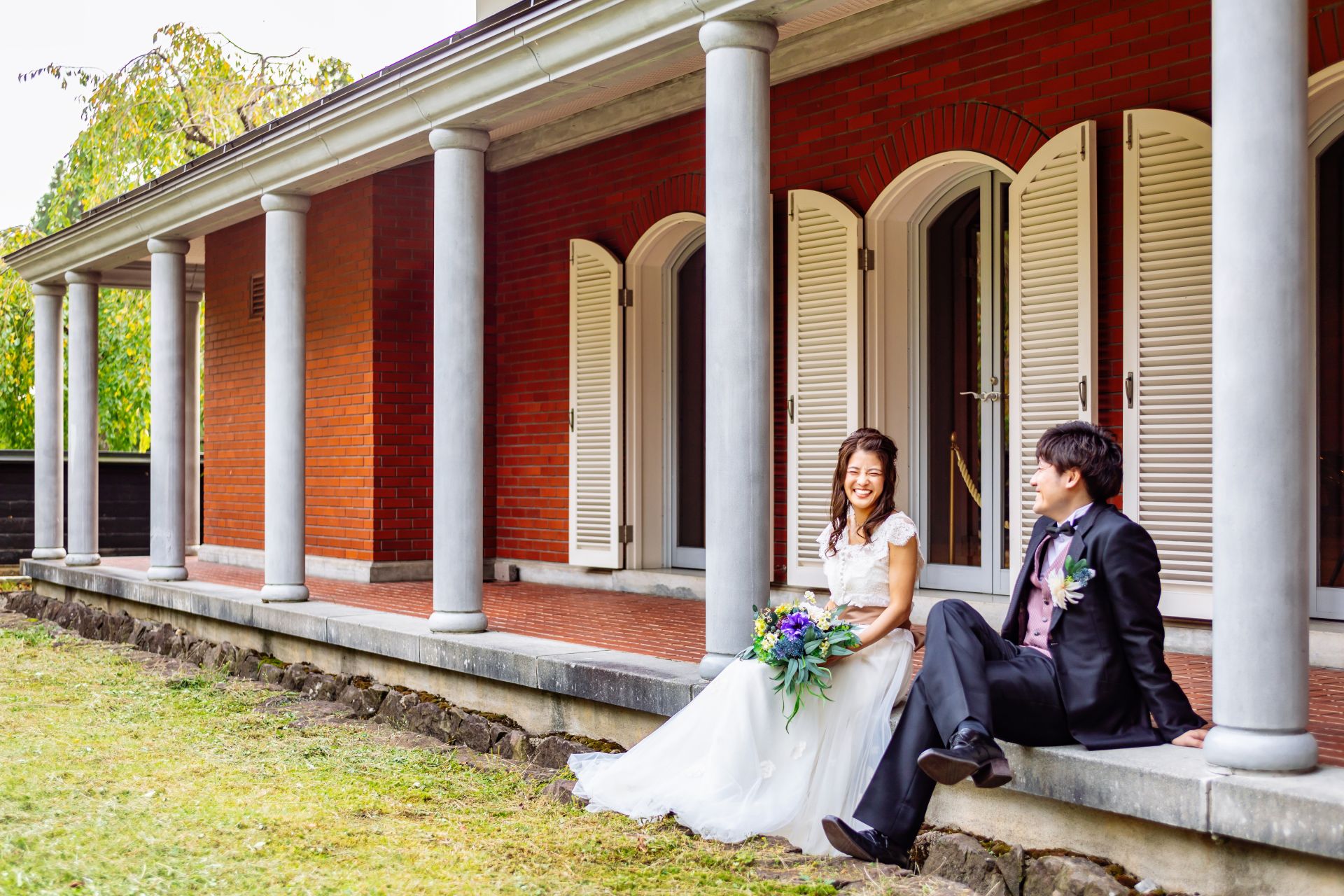
The museum opened in 1978 to promote birch crafts, which were designated as a national traditional craft. Inside the museum, birch crafts are made, and visitors can observe the artisans’ meticulous techniques up close. Materials related to the town’s crafts, culture, and history are on display. The entire building is a modern take on Kakunodate’s traditional architectural style. At the entrance stands a magnificent gate, symbolizing the museum, and the red brick background adds to the retro feel.