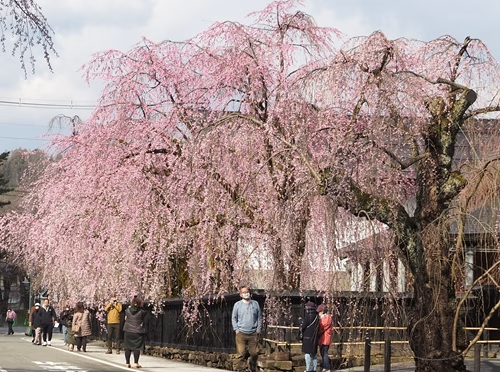
The weeping cherry trees that beautifully adorn the samurai residences date back to the Edo period, approximately 360 years ago. It is said that when the wife of Yoshiaki, the second head of the Kakunodate Satake family, married into the family, she brought three cherry tree saplings with her from the Sanjo Nishi family in Kyoto as part of her dowry. These saplings were the origin of the trees that have been passed down through generations and continue to grow into the "Kakunodate weeping cherry trees" that remain today.
Cherry blossoms in Kakunodate
The origin of cherry blossoms – Weeping cherry blossoms –
Kakunodate area
#Experience and see
#Nature and scenery
#Tradition and Culture
#history
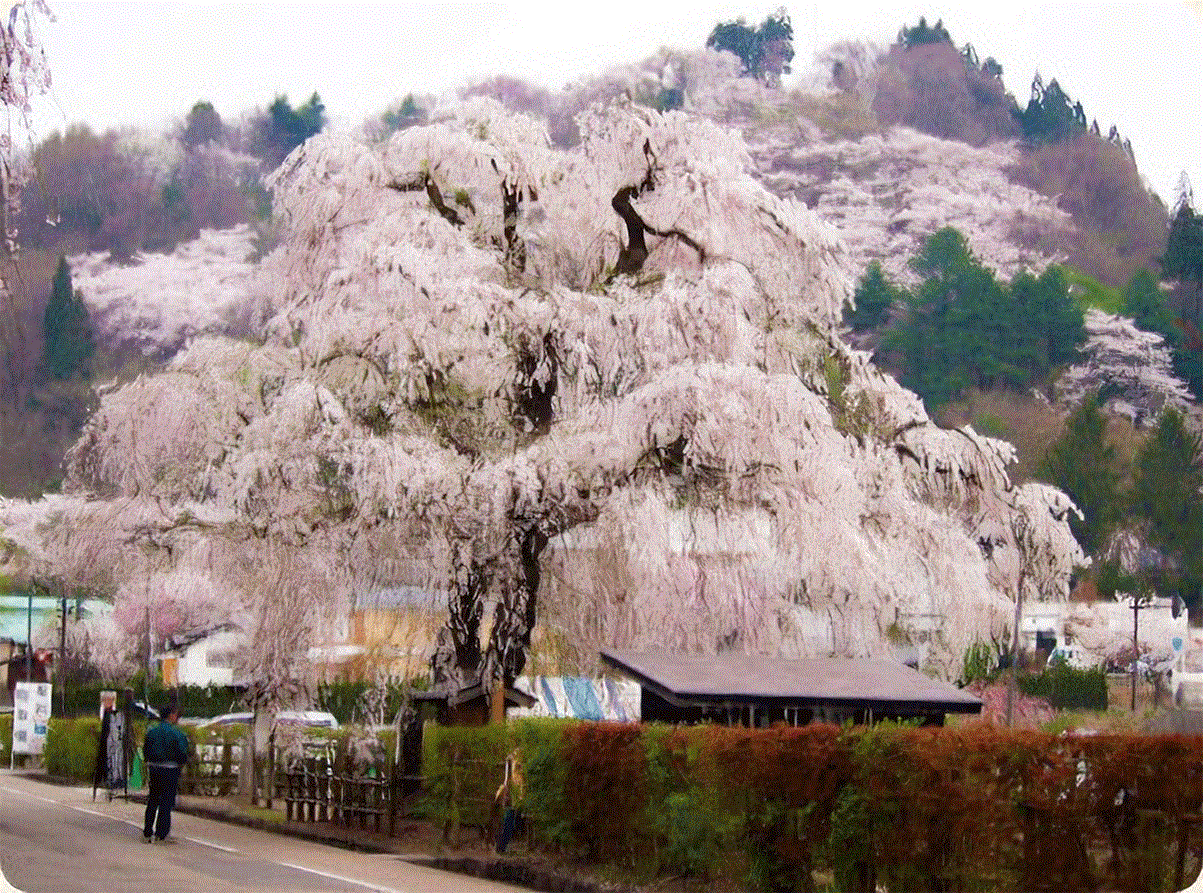
162 trees are designated as national natural monuments.
While many cherry trees in Japan are designated as natural monuments, it is said that few weeping cherry trees are designated as such. Of the approximately 400 weeping cherry trees currently in Japan, 162 are designated as national natural monuments. The weeping cherry trees of Kakunodate were recognized for their spectacular clusters of blossoms. Tiny white and pale pink petals hang in thin rows from gracefully extending branches. In the picturesque castle town, the cherry trees hanging down from both sides of the samurai residences harmonize beautifully. The magnificent sight of these 300-year-old weeping cherry trees, reminiscent of Kyoto, is sure to soothe the hearts of visitors.
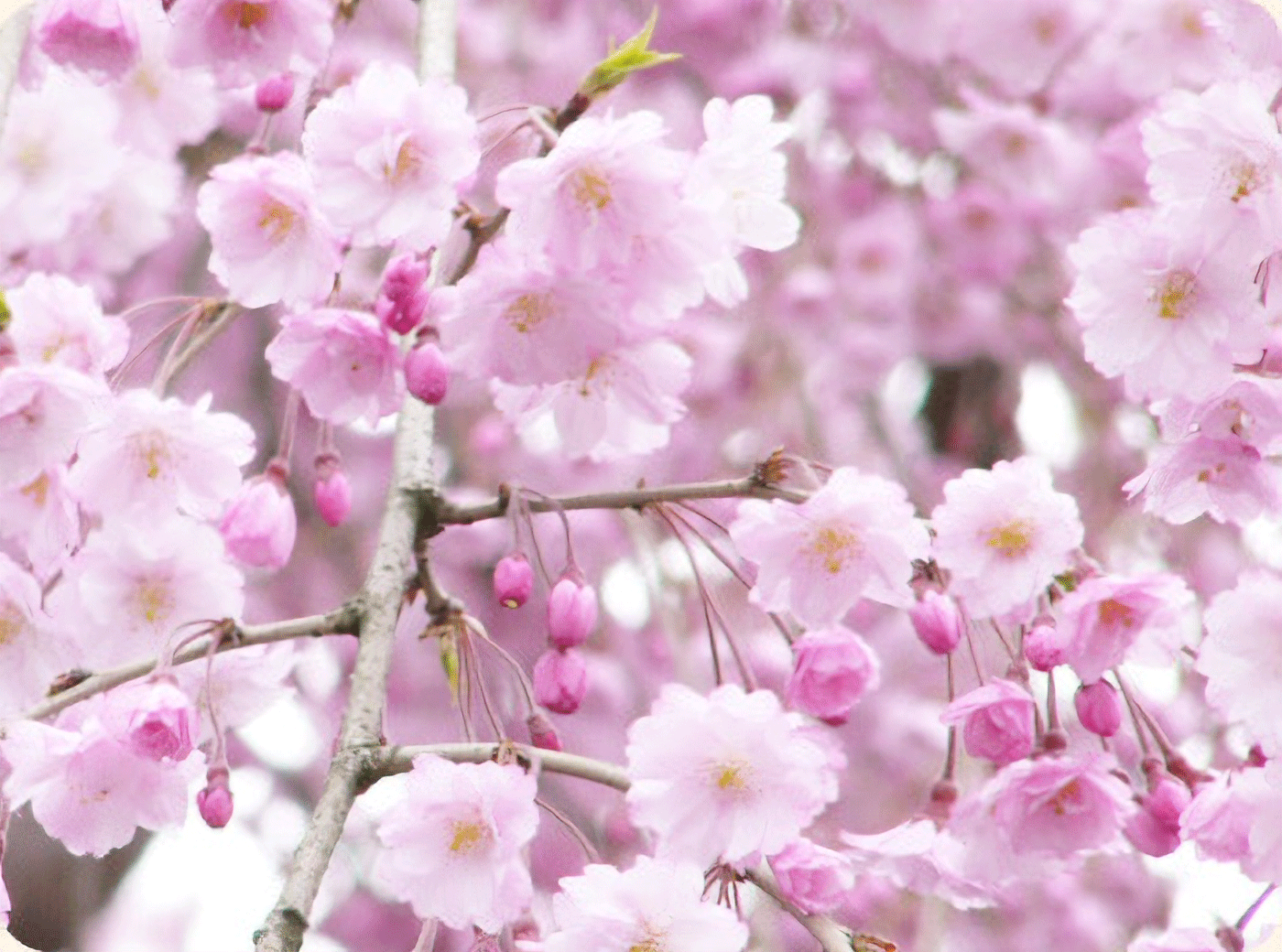
Does the weeping cherry tree variety not exist?
Actually, there is no such variety of cherry tree as “shidarezakura” (weeping cherry). It is believed that it is a variety of “Edohiganzakura” that has grown to weep, meaning that the branches that would normally grow upwards have drooped downwards. It is thought that the rapid cell division at the tips of the branches increases the weight of the tip, causing the branches to naturally turn downwards. More than 90% of the cherry trees lining the samurai residence street are this weeping cherry, a variant of “Edohiganzakura”.
The origin of cherry blossoms – Somei Yoshino variety –
Past flowering information
basic information
| 関連リンク |
|---|