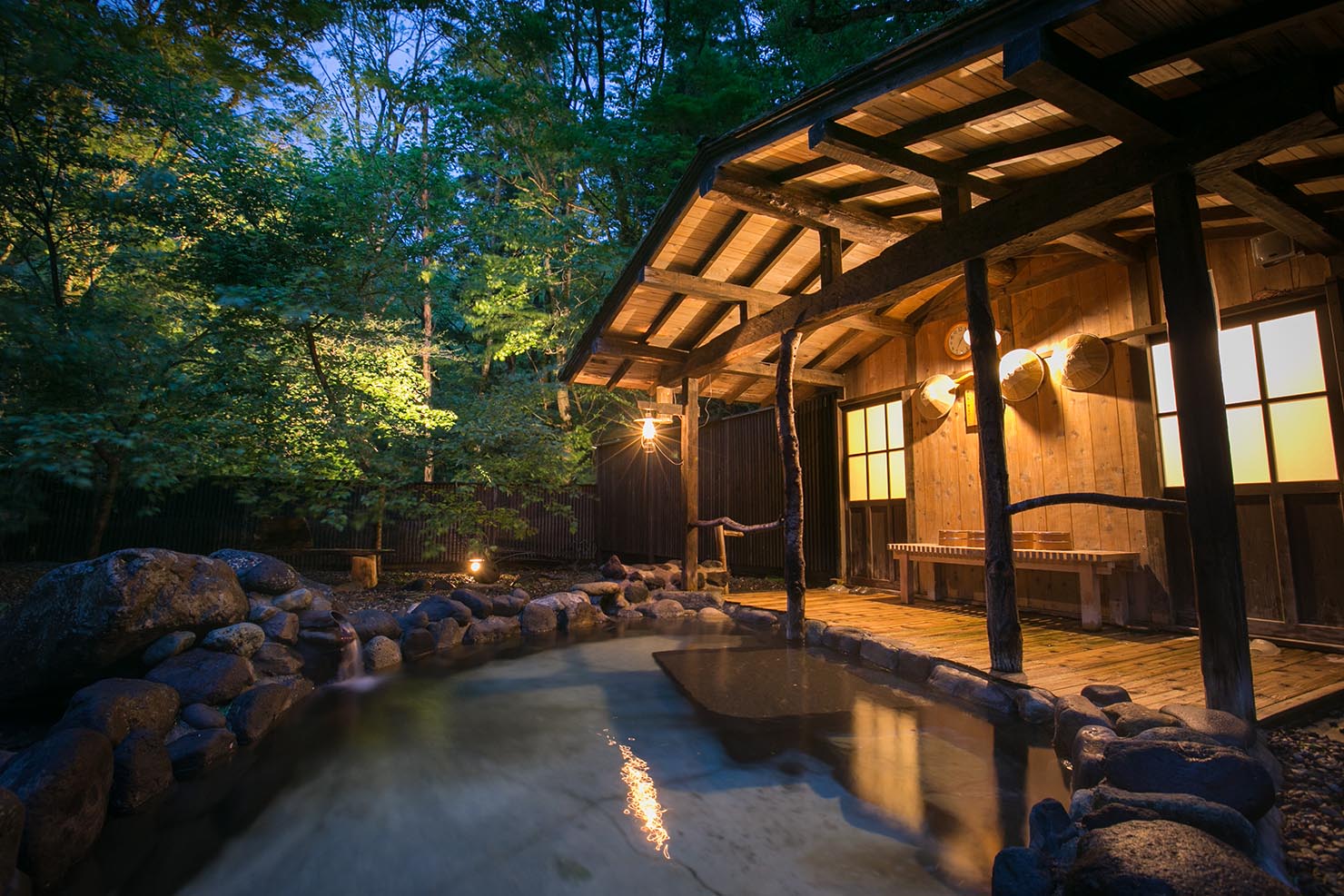
Forget the Capital
A private inn in the Dakigaeri Valley. All rooms have an open-air bath.
Lake Tazawa area
#Hot springs and accommodation

- History and Culture -
Search Results 42items
A private inn in the Dakigaeri Valley. All rooms have an open-air bath.
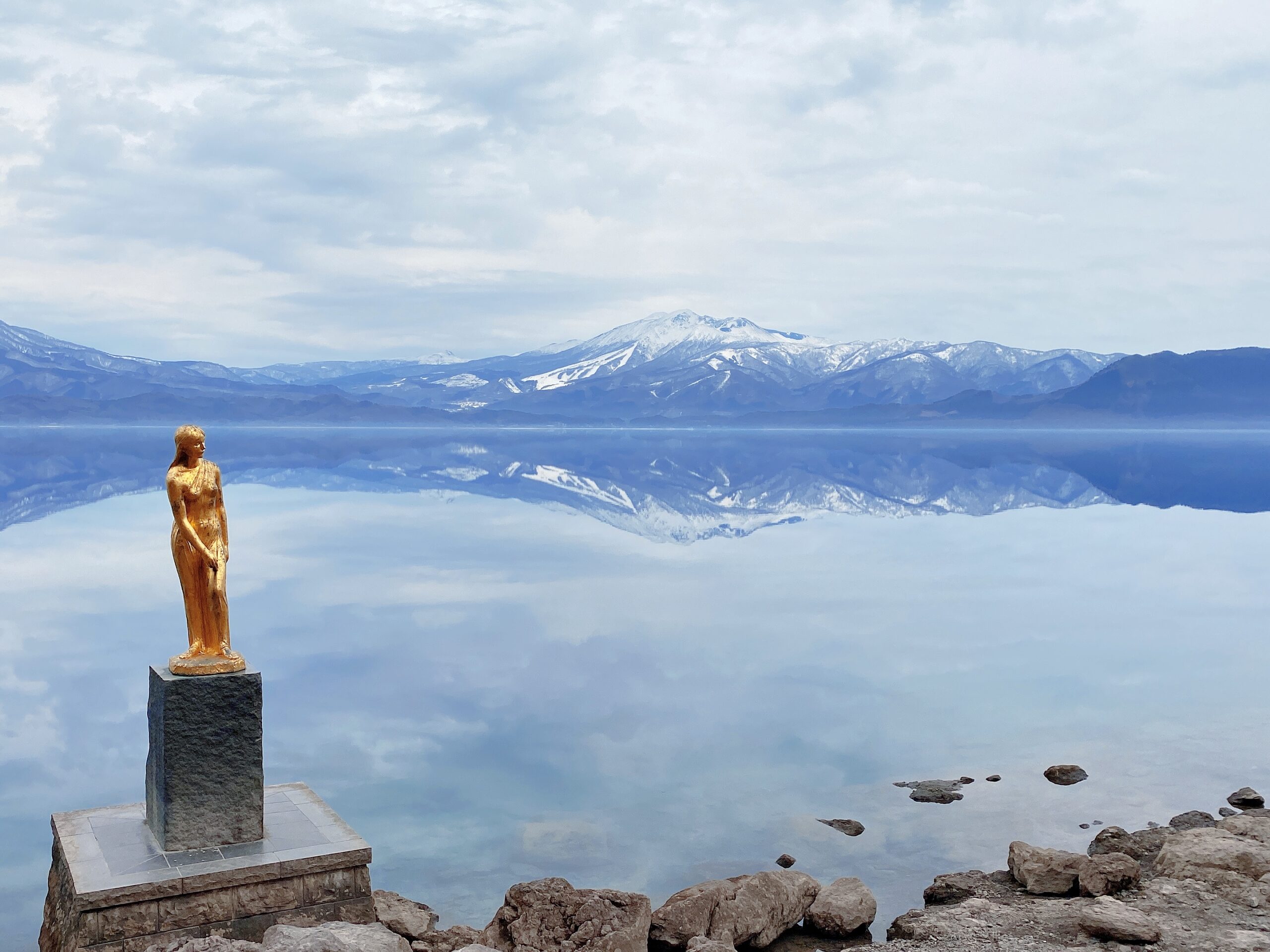
TazawakoTazawako, with its deep blue surface and the legend of Princess Tatsuko, is an almost circular lake with a circumference of about 20 kilometer
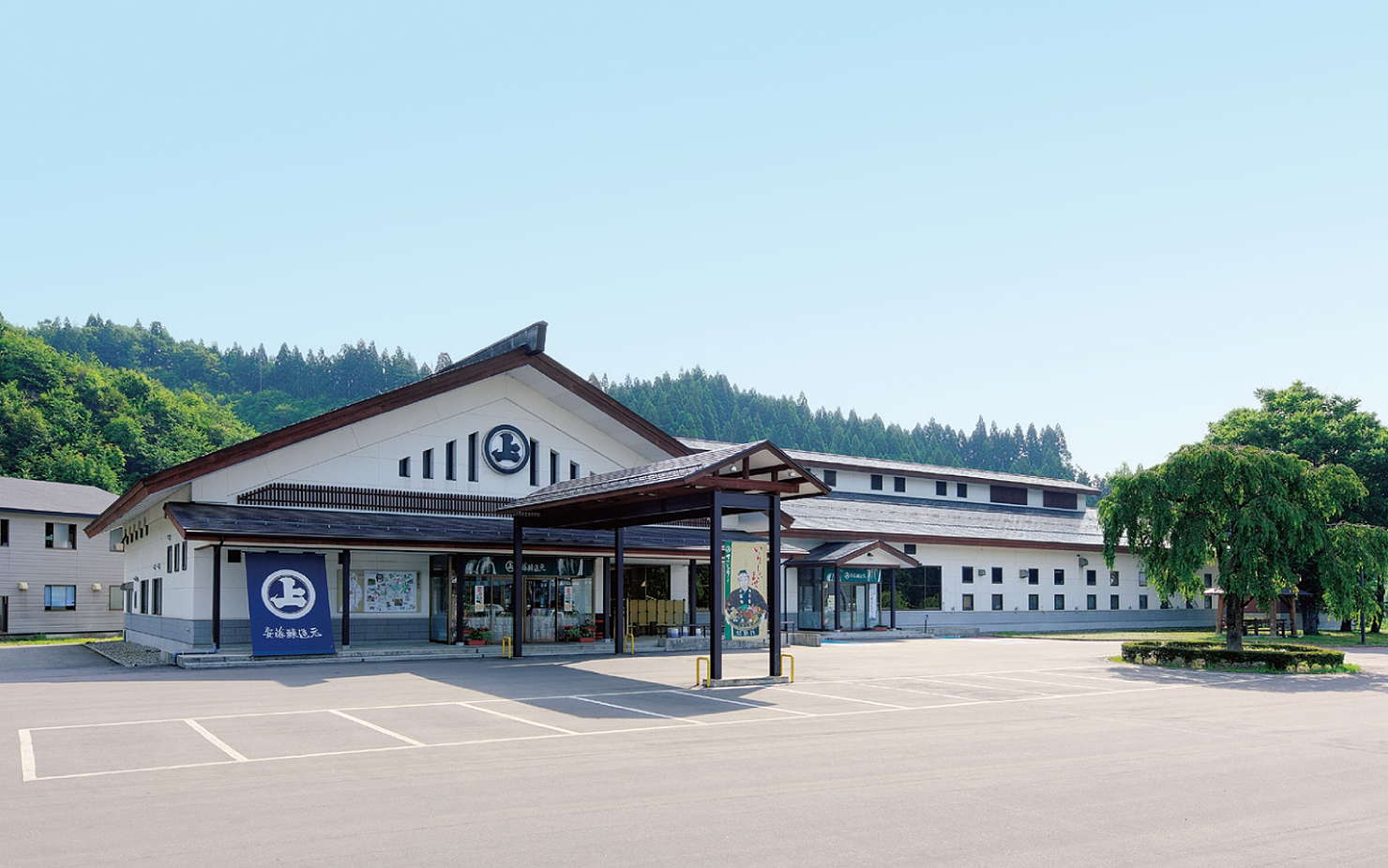
Kitaura Main Store, located on the old National Route 46 closer to Akita City than Kakunodate, opened in the fall of 1996, stocking all of our product
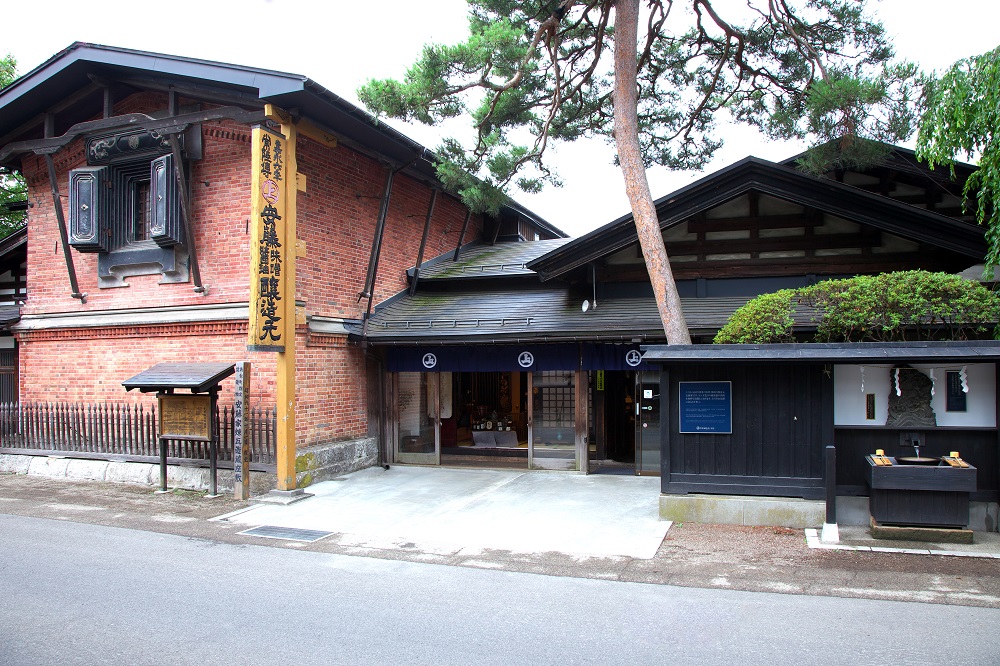
It quietly exudes a timeless traditional flavor.Our store was born in Kakunodate, a historic town overflowing with seasonal charm, and has been in the
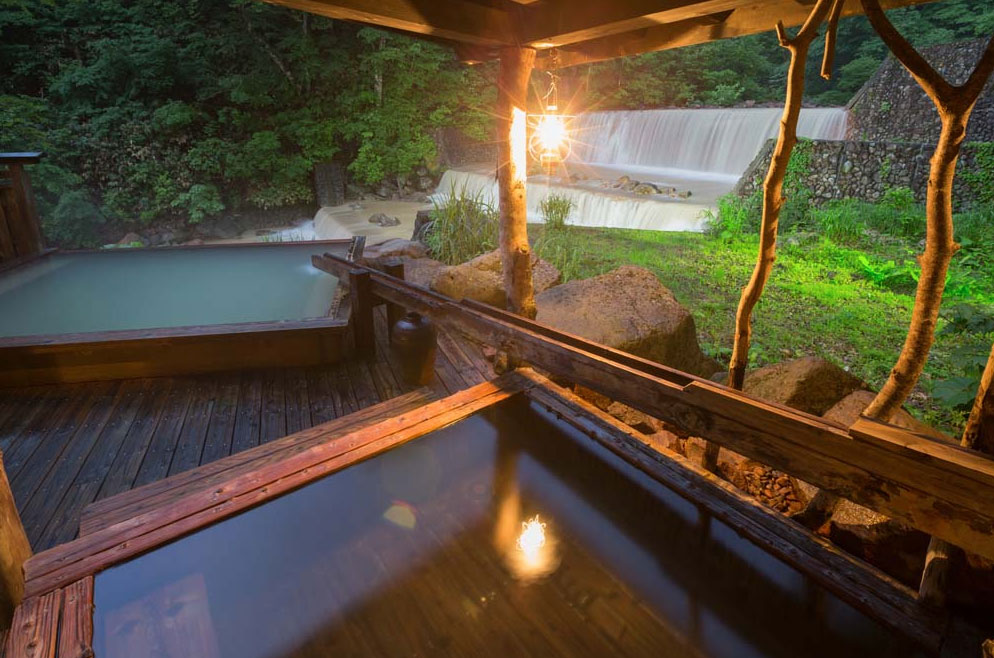
A lodging along a mountain stream with two hot springs. Popular with female guests.
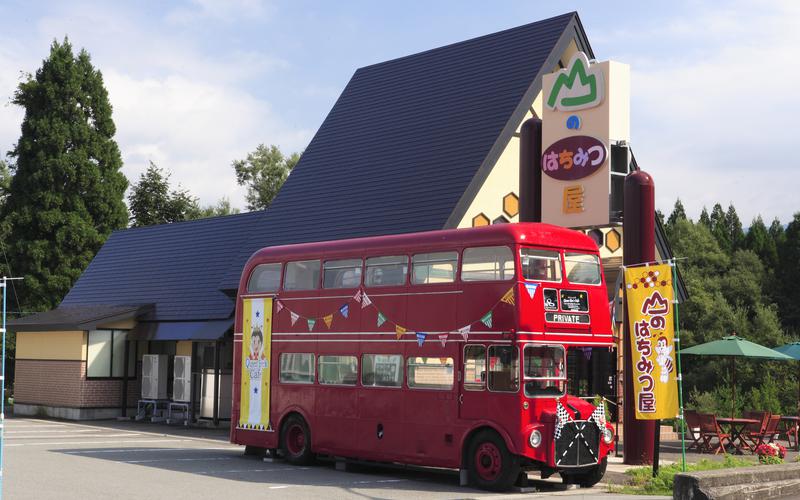
They are engaged in beekeeping in their local Lake Tazawa area, and are popular for their domestic honey, honey from around the world, processed honey
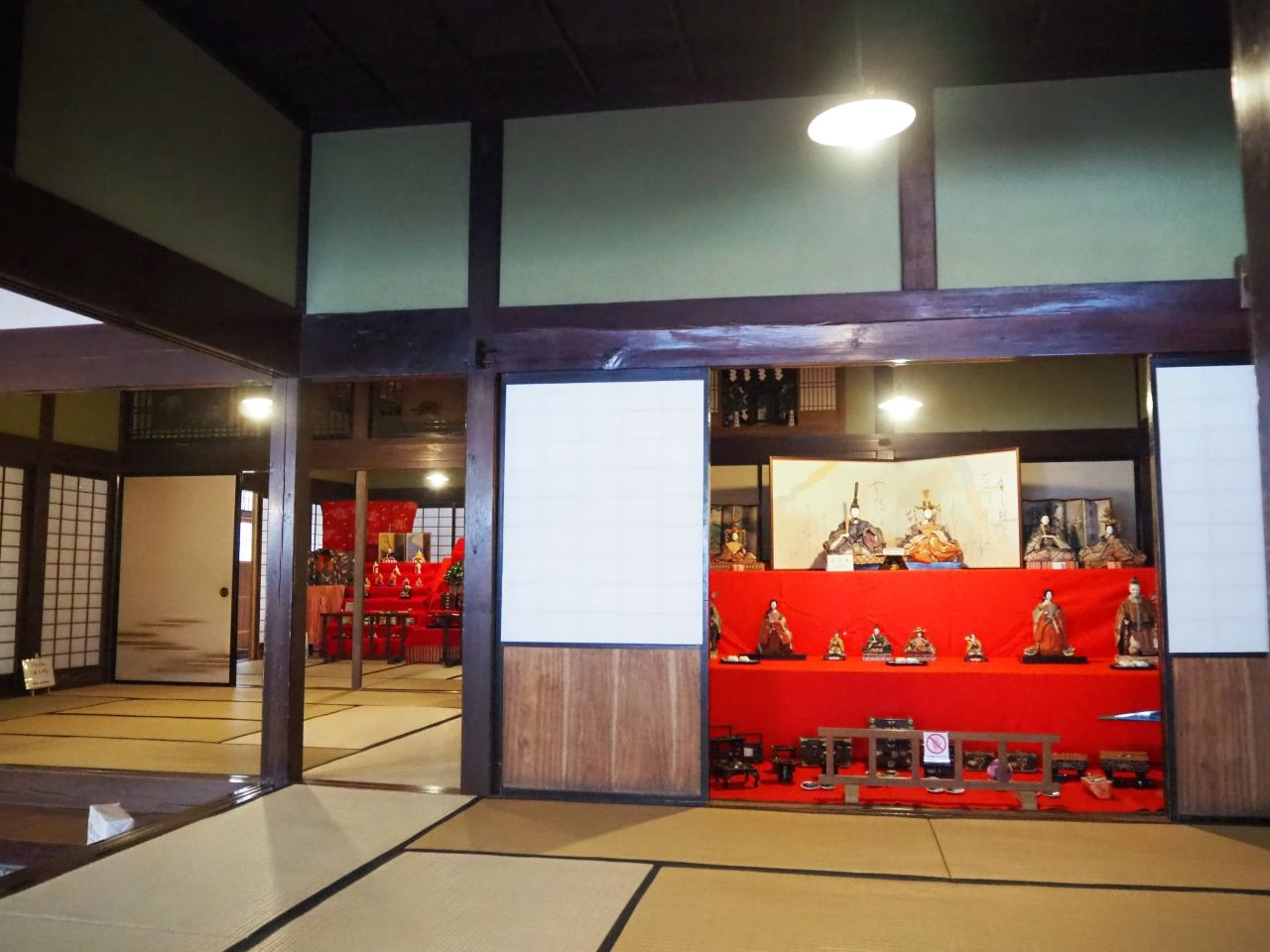
The Kakunodate Hinamatsuri is held every year from mid-February to early March.
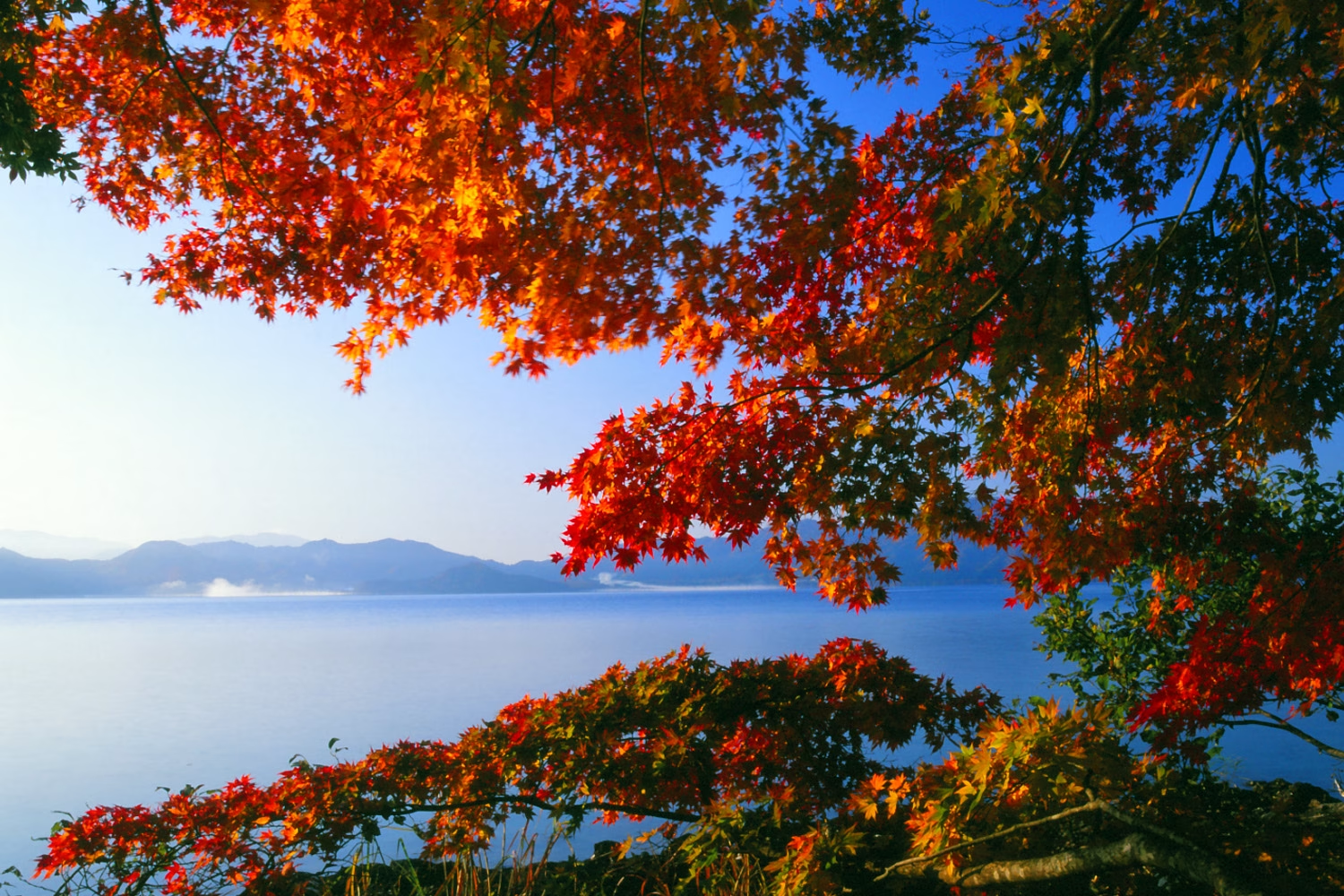
仙北市の紅葉は秋田駒ケ岳から始まり、乳頭温泉郷、田沢湖高原温泉郷、水沢温泉郷、玉川温泉周辺、そして田沢湖へ。 さらに抱返り渓谷、角館へと移りゆきます。
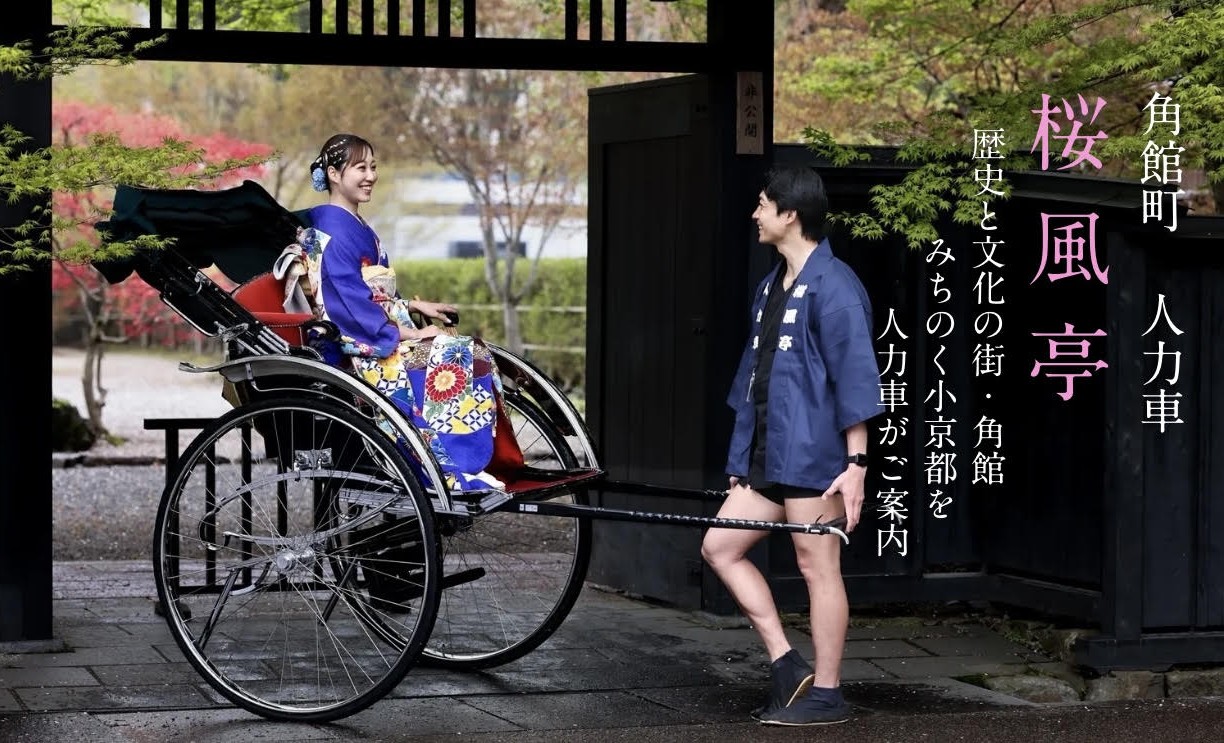
Kakunodate Town Rickshaw Ohfutei[Turn a moment into a lifetime.] We rickshaw drivers love the town of Kakunodate. A rickshaw ride may only be a brief
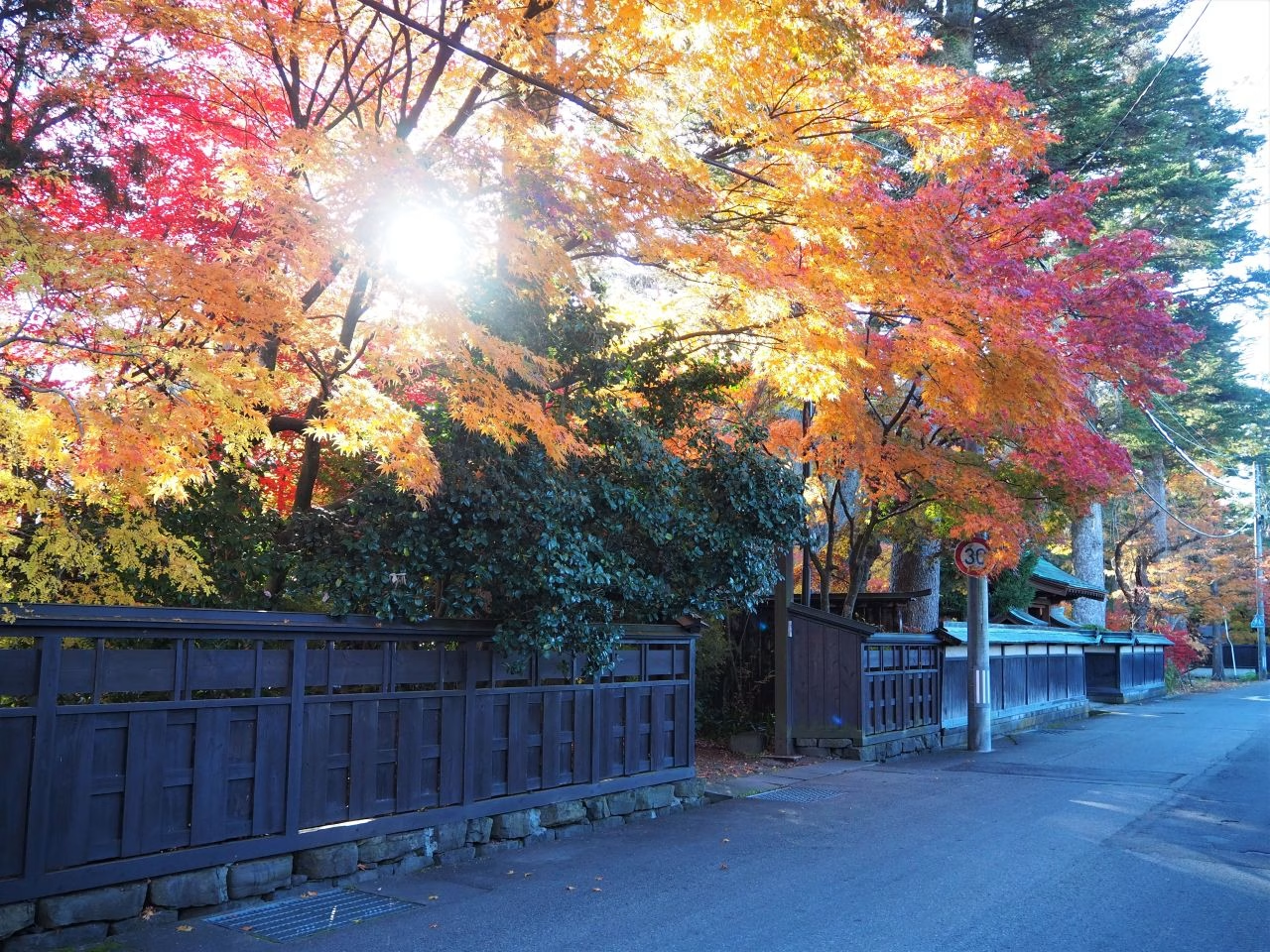
Another samurai residence street in Kakunodate When the Ashina clan built the town in 1620, 80 samurai banners began to live in Tamachi, the southern
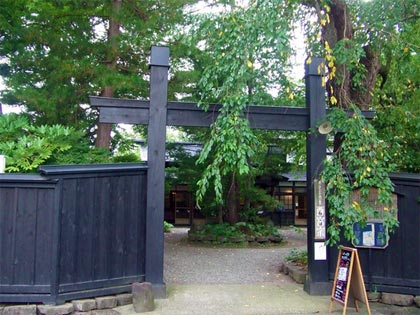
Tamachi, where the Nishinomiya family lives, is another samurai residence street in Kakunodate. The five storehouses built from the Meiji to Taisho pe
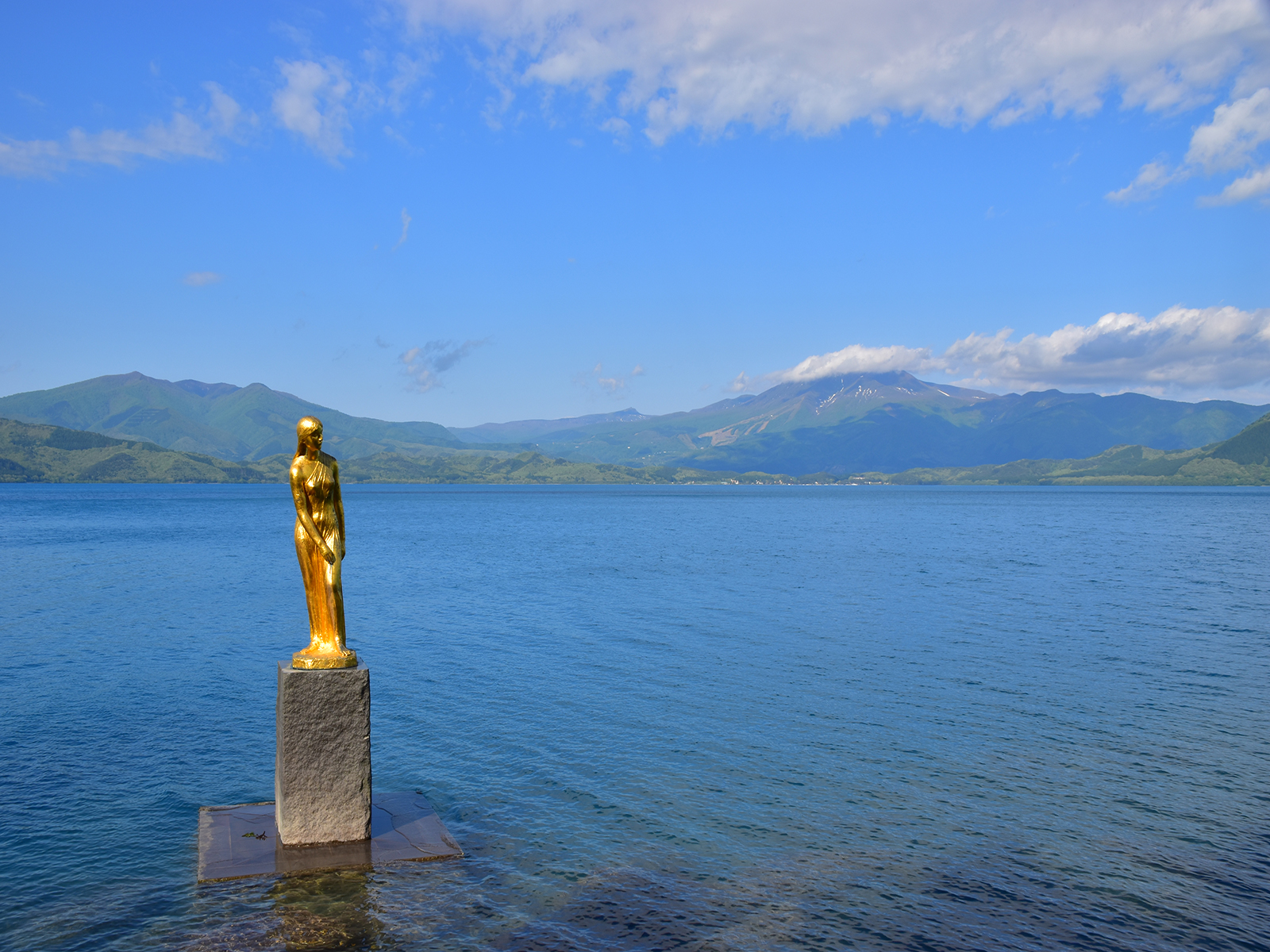
This bronze statue of the legendary beautiful Princess Tatsuko, who is said to have wished for eternal youth and beauty and became the lake goddess, s
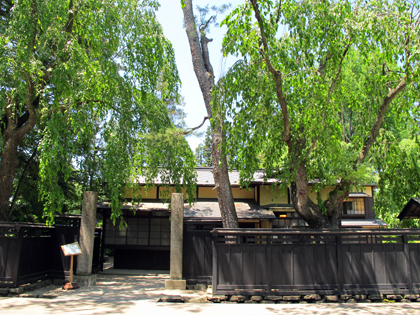
The former Ishiguro (Megumi) House was designed and built in 1935 and is a branch of the Buke Yashiki Ishiguroke. The interior features a modern Japan
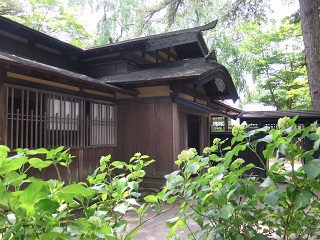
Akita Prefecture designated historic site They were senior vassals of the Ashina clan, and after the Ashina clan died out, the family served the Satak
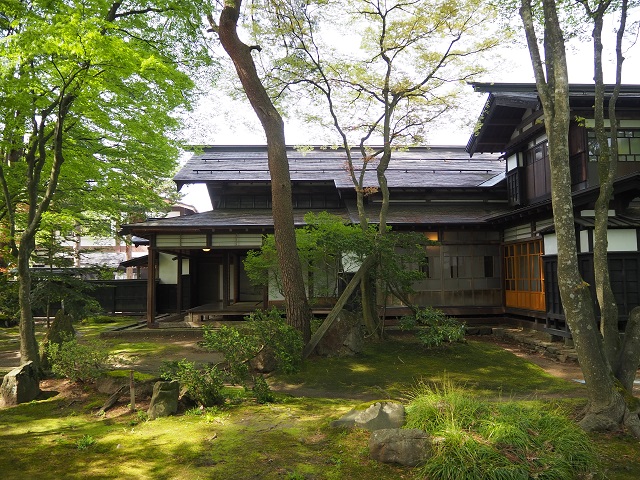
Semboku City designated historic site The family was a hereditary descendant of the Ashina clan dating back to their Aizu days, and later served the S
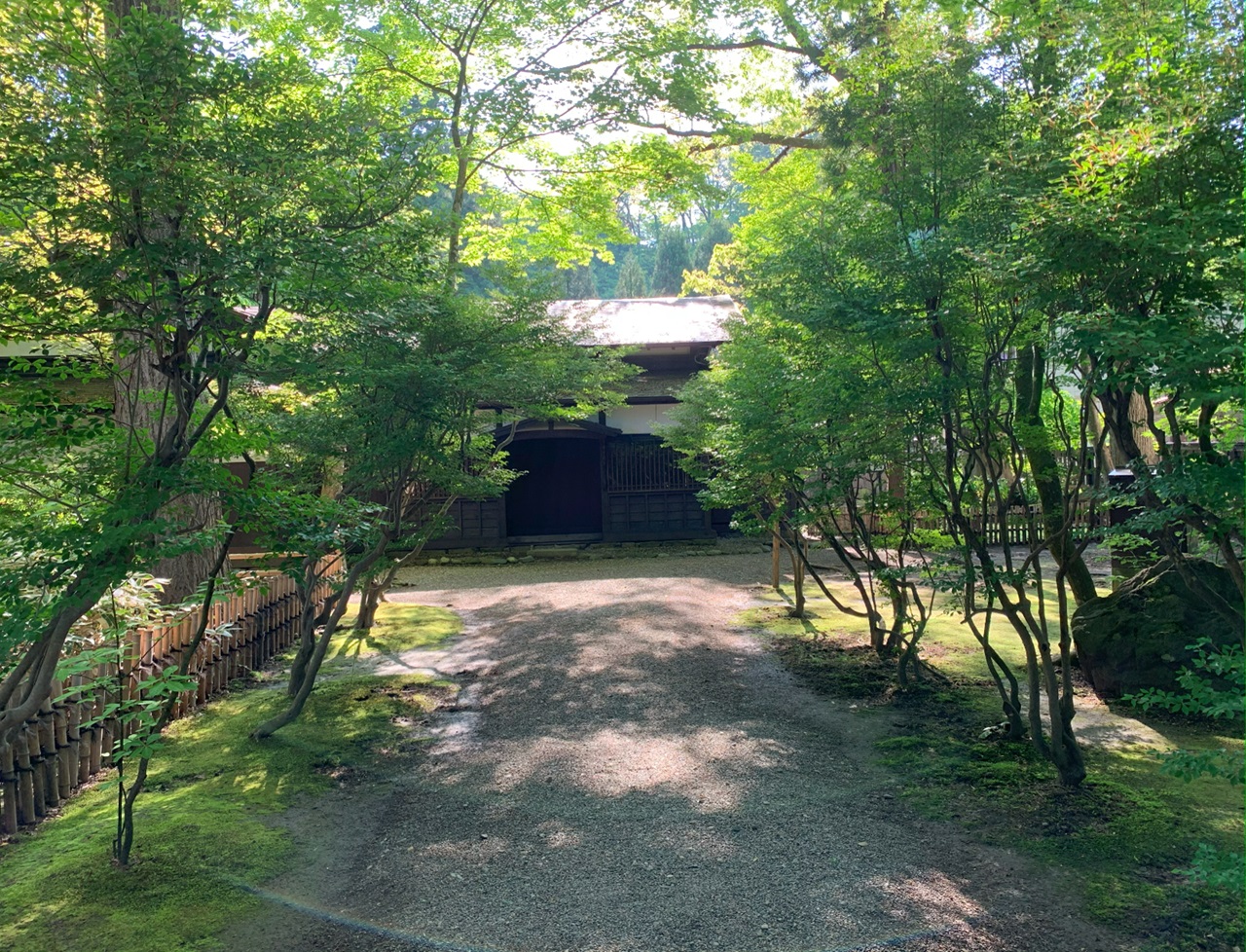
Semboku City designated historic siteA branch of the Satake clan, the family has been a senior vassal of the Satake clan since the time when the Satak
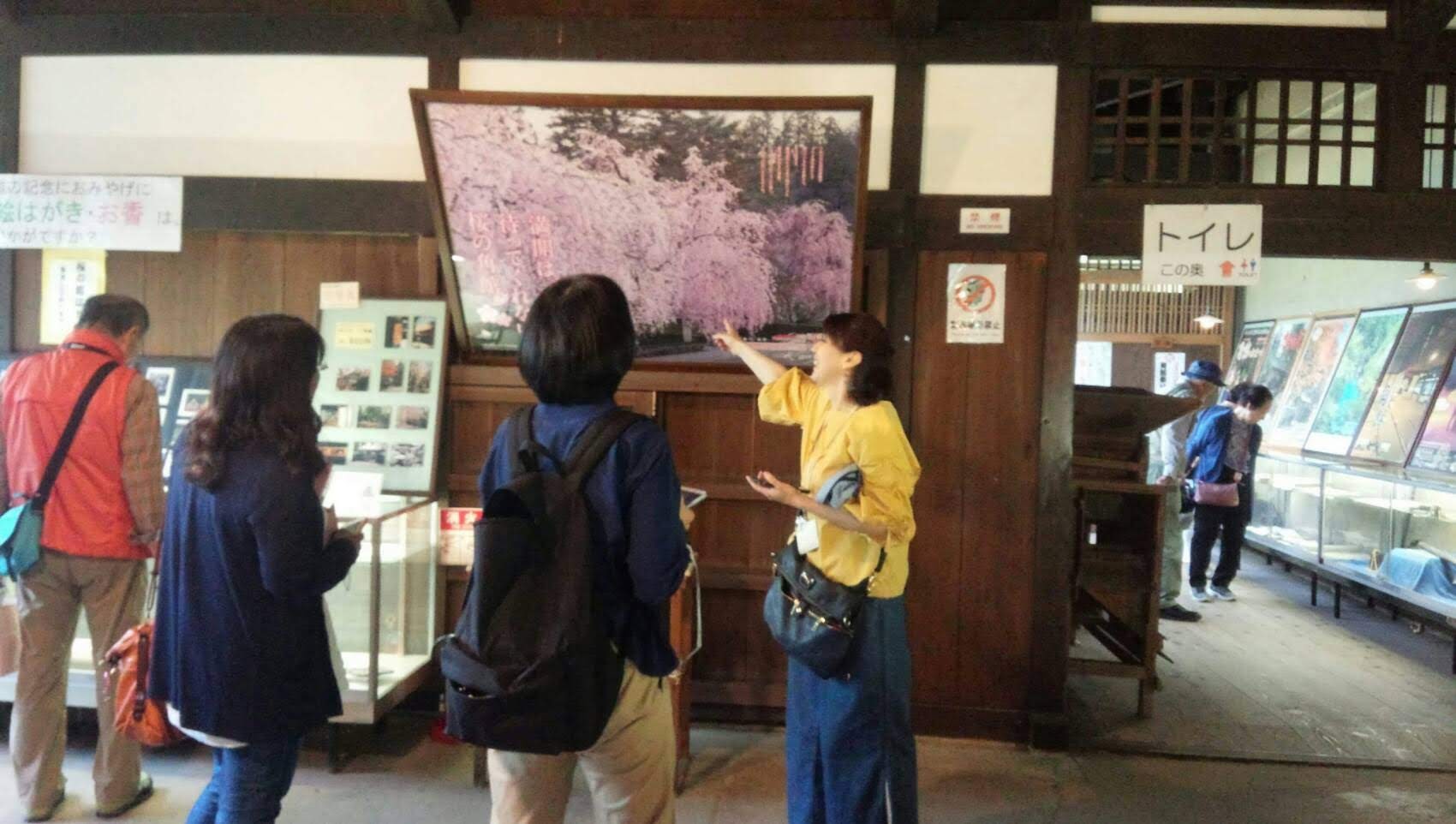
It quietly exudes a timeless traditional flavor.Our store was born in Kakunodate, a historic town overflowing with seasonal charm, and has been in the
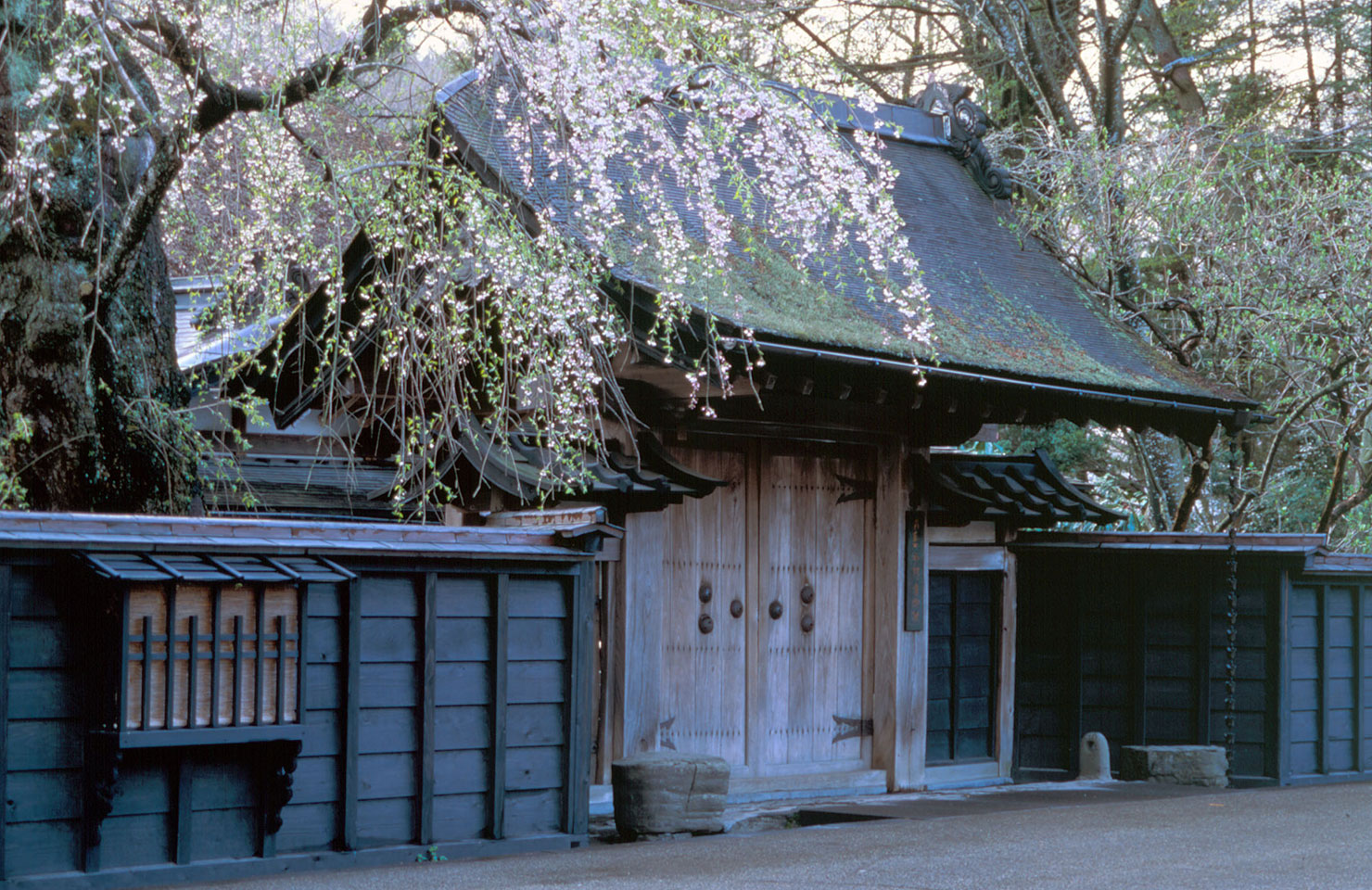
The Aoyagi family samurai residence tells the story of 400 years of Michinoku history. In addition to the main house, the 10,000m2 (approx. 10,000m2)
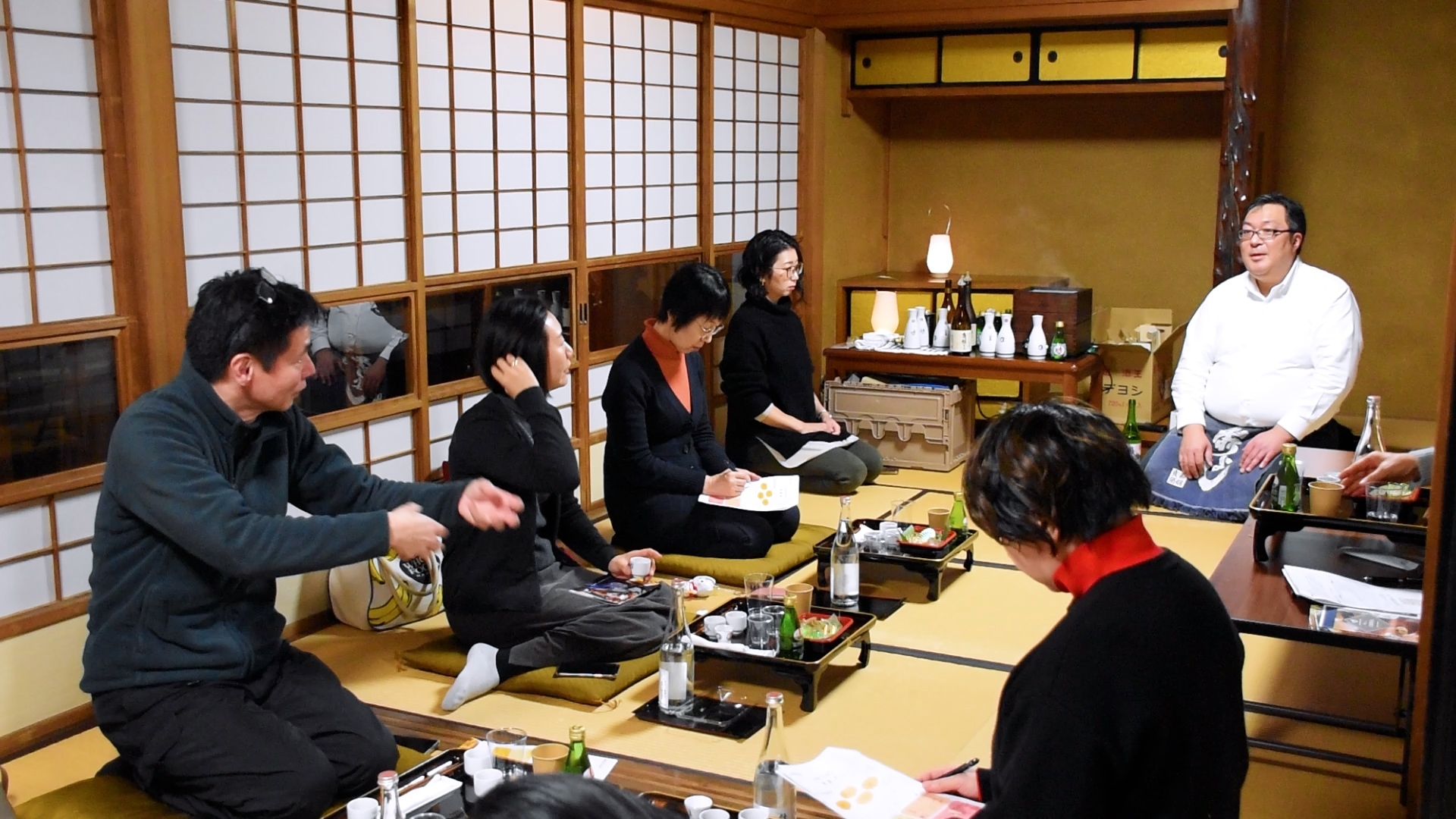
Learn from a local liquor store owner! Experience learning about Akita sake in Kakunodate's Buke Yashiki Street!Akita has long been one of the leading
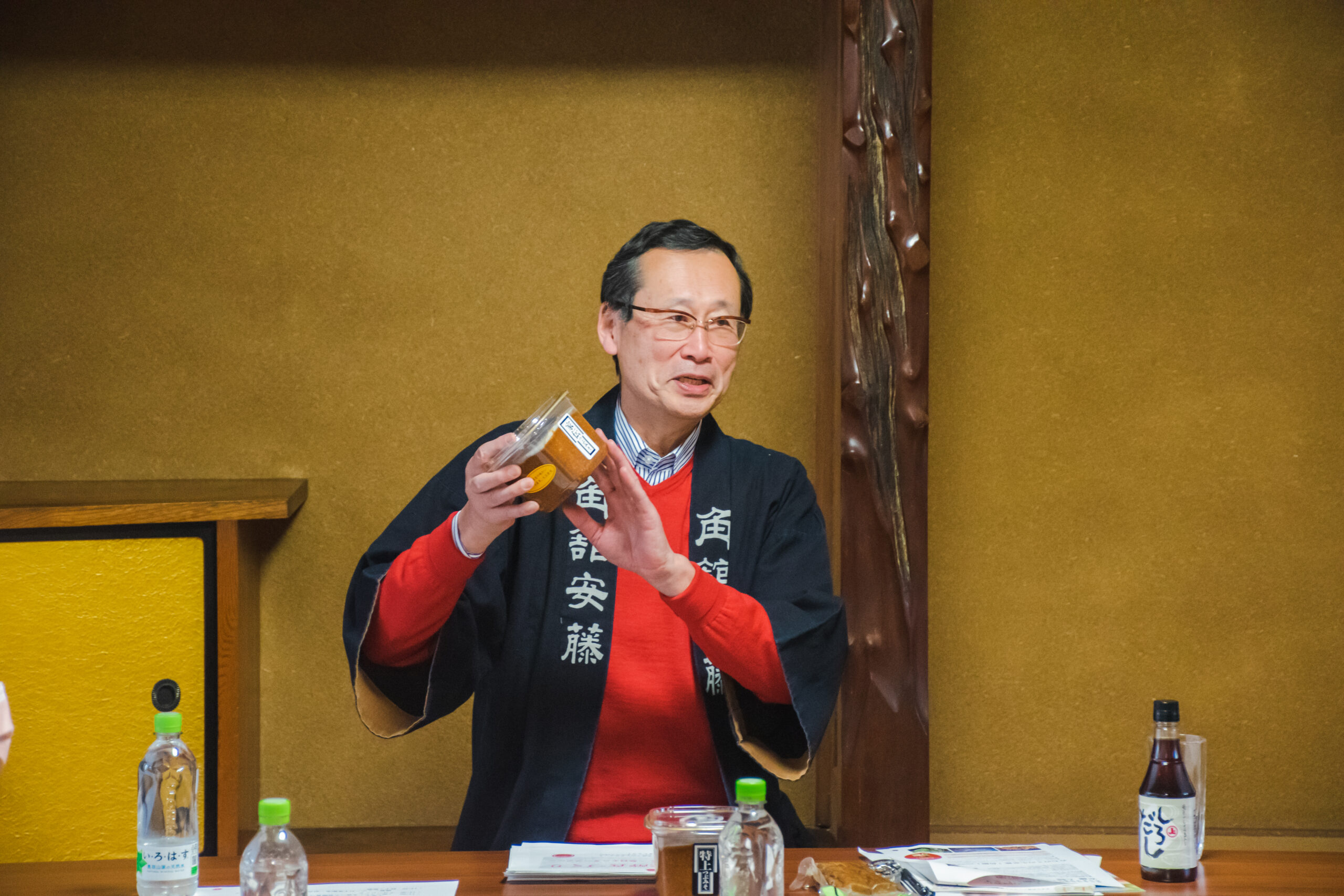
At Kakunodate Samurai Residence Street, the president of Andojyozo Co., Ltd. will teach you how to make fermented Akita foods with hands-on experience
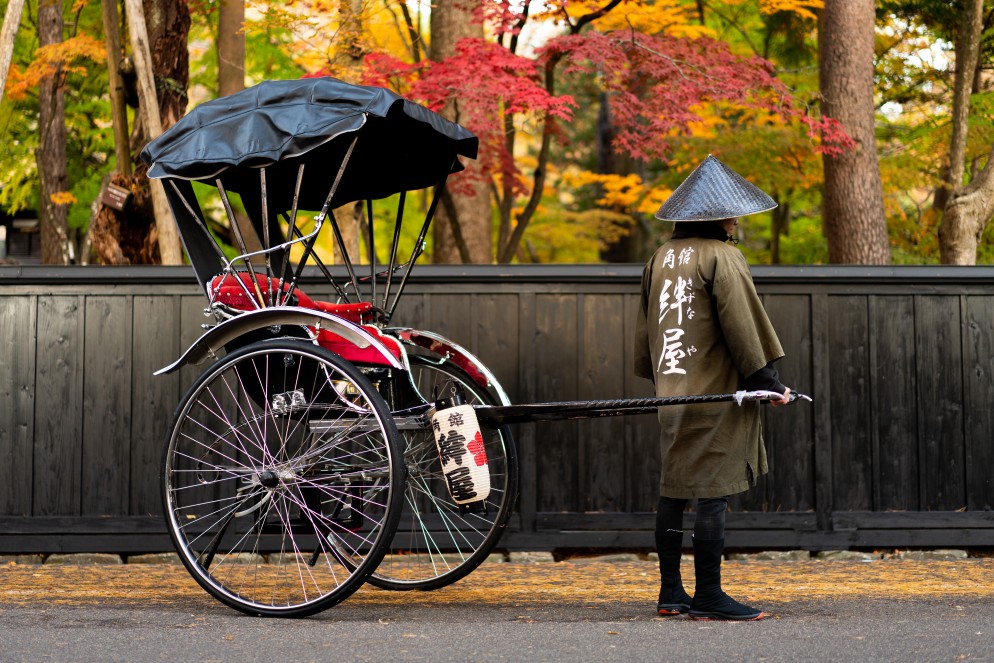
We are a local Rickshaw Kakunodate Kizunaya. We would like to cherish the encounters and bonds between people while showing you the history of Kakunod
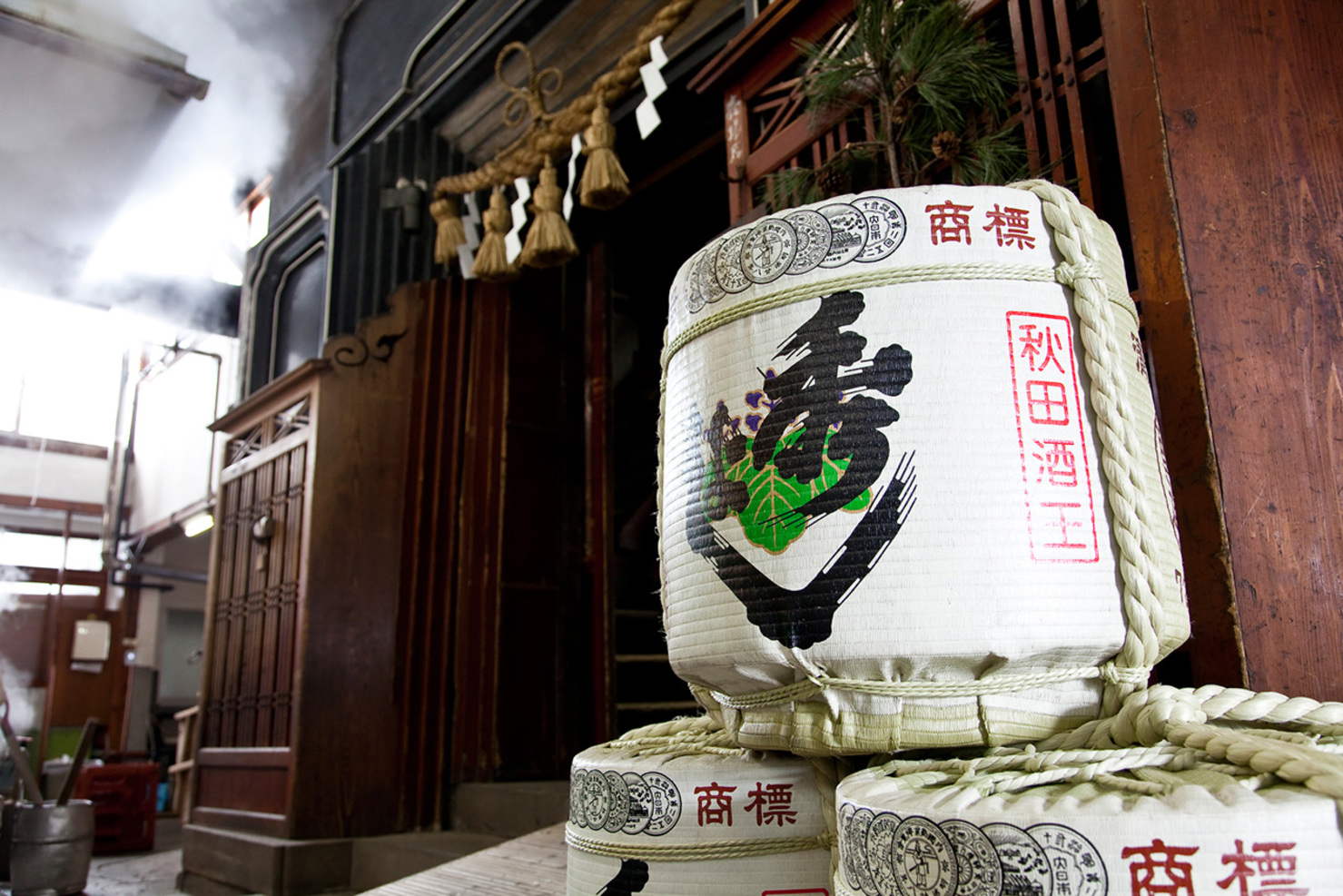
Founded in 1689, this is a sake brewery with a long history. The elegant atmosphere of the brewery, the skill and spirit of sake brewing, and the fine
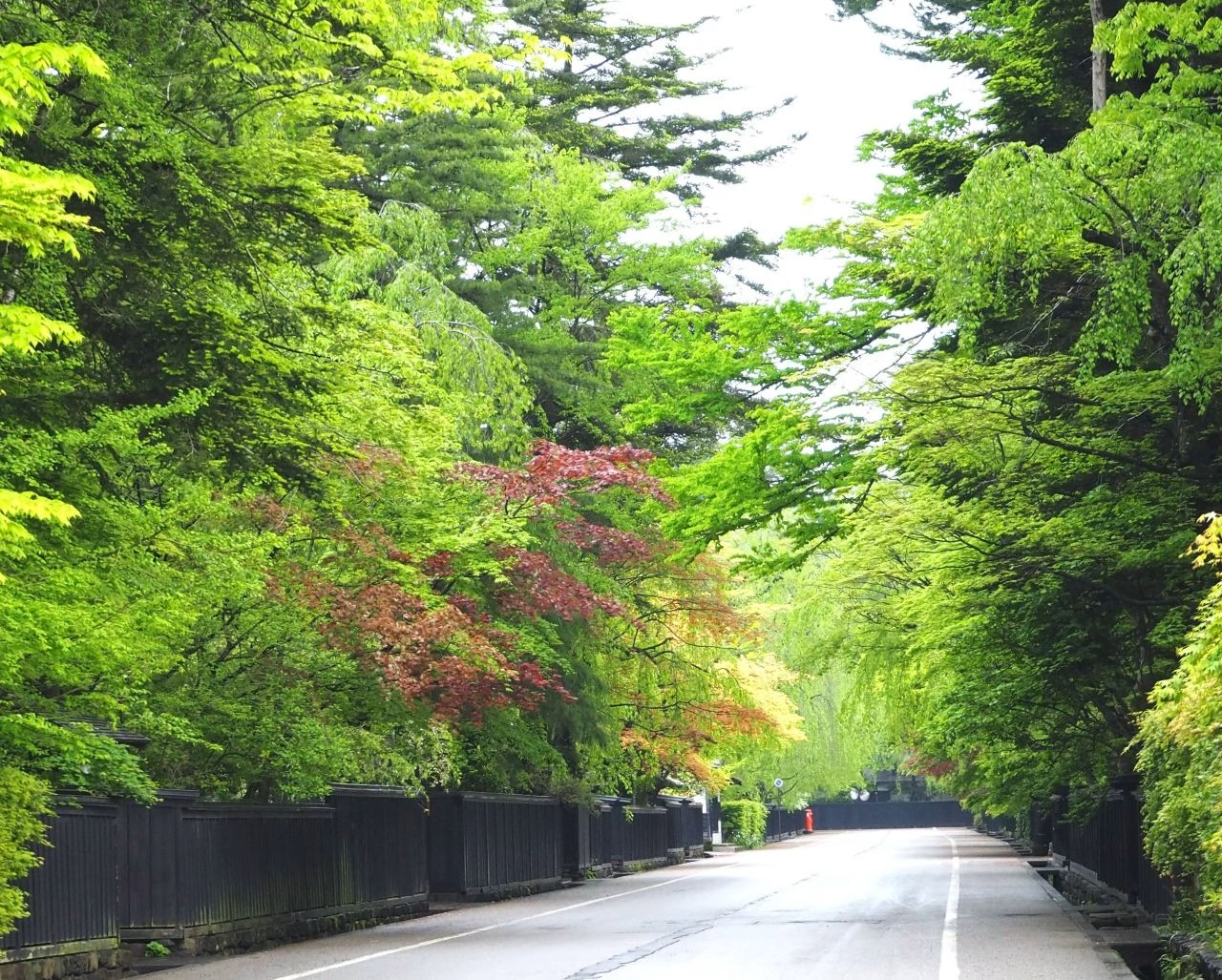
Traces of the castle town still remain It was the Ashina clan who created the townscape of Kakunodate that continues to this day in 1620 (Genwa 6), at
Akita Prefecture designated tangible cultural property The family is a subordinate to the Imamiya family, and came to Akita when the Satake clan was t
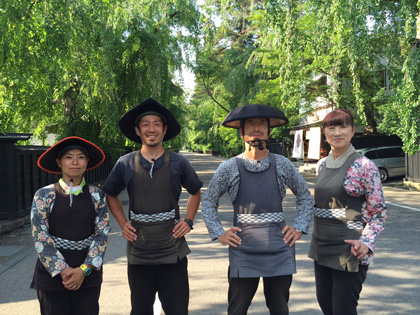
The bus driver will carefully and stylishly show you the highlights of the town that would be a waste to just walk around! From those who are visiting
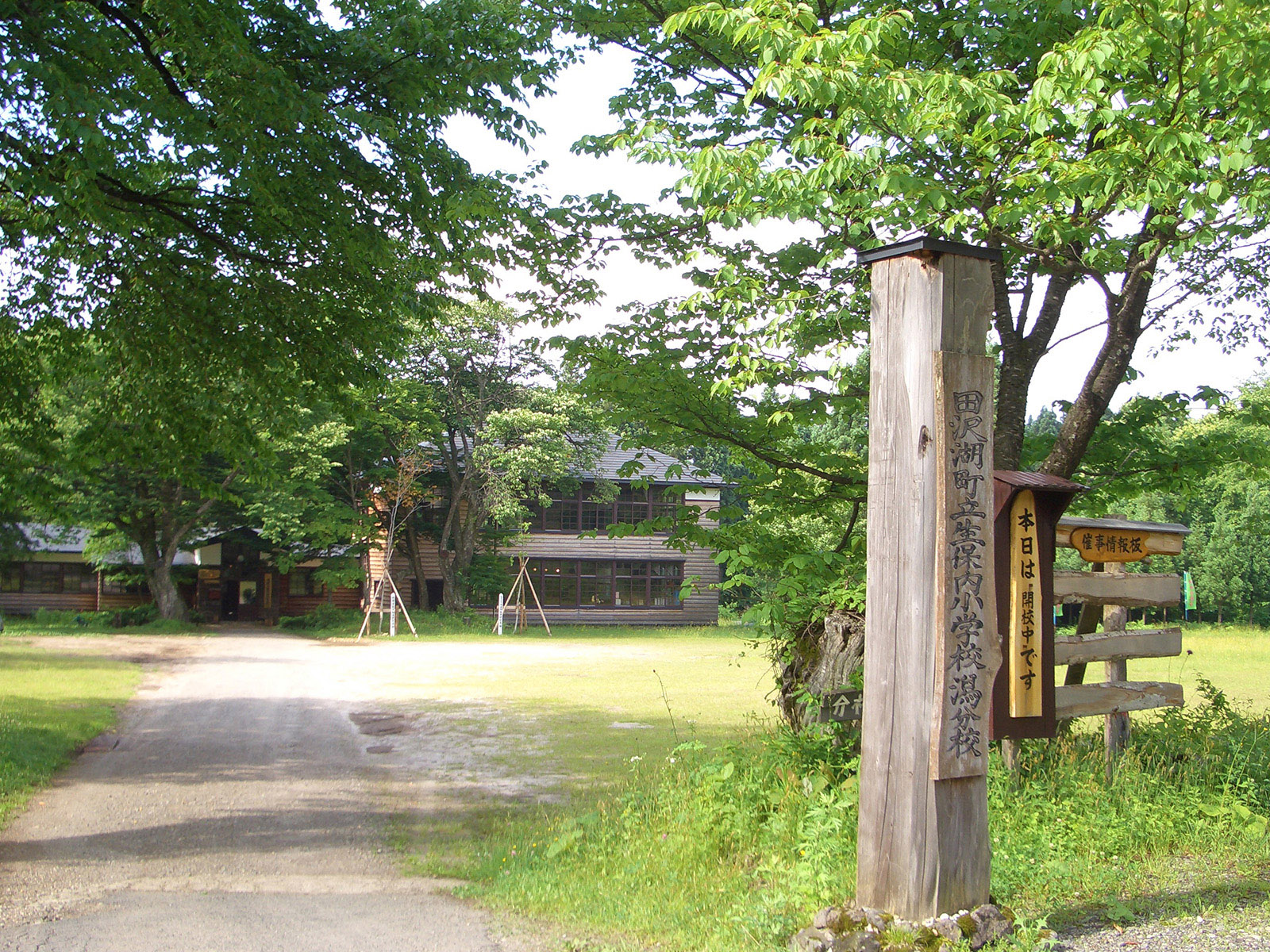
The school was closed in 1974, but was restored and opened to the public in 2004 as the “Omoide-no Kata Branch School.” It is also used as a venue for
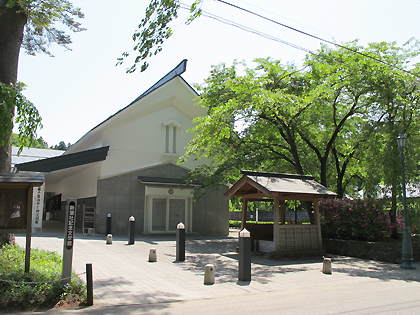
It was built in honor of Yoshiaki Sato, who was born in Kakunodate cho, and the achievements of Shinchosha, a literary publishing company founded by h
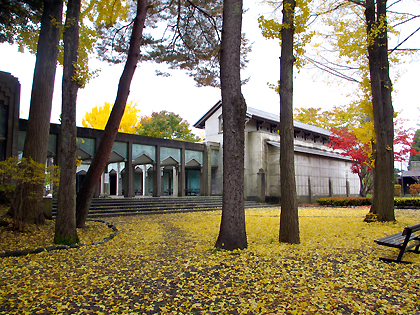
The works of local painters, including masters of modern Japanese painting, Hirafuku Hoan and his son Hyakuho, are on display. The site is the remains
The museum was opened in 1978 to promote birch crafts when it was designated as a national traditional craft. Demonstrations of Kabazaiku production a