Tazawako
TazawakoTazawako, with its deep blue surface and the legend of Princess Tatsuko, is an almost circular lake with a circumference of about 20 kilometer

Numerous stone tools, pottery, and pit dwelling sites have been discovered in the Lake Tazawa area, indicating that people engaged in hunting and farming have lived there since ancient times. In the Edo period, in 1602, the Satake clan, who were transferred from Hitachi (present-day Ibaraki Prefecture) to Akita, came to rule the six counties of Akita, and a checkpoint was established in Obonai, on the border between the Nanbu and Akita domains. In the 18th century, land reclamation progressed, utilizing the waters of Lake Tazawa, and forestry reforms were also implemented. Furthermore, the area developed into a horse breeding region renowned throughout Japan. With the implementation of the municipal system in 1889, Obonai Village, Tazawa Village, and Jindai Village were established. In 1940, highly acidic water from the Tamagawa River was introduced into Lake Tazawa for power development and agricultural land reclamation, causing the death of fish such as the kunimasu, which is considered an endemic species of Lake Tazawa. However, thanks to the neutralization treatment of the acidic water, fish can now be seen again. In September 1956, the three towns and villages of Obonai (which became a town in 1953), Tazawa Village, and Jindai Village merged to form "Tazawako Town," which remains to this day.
About Lake Tazawa
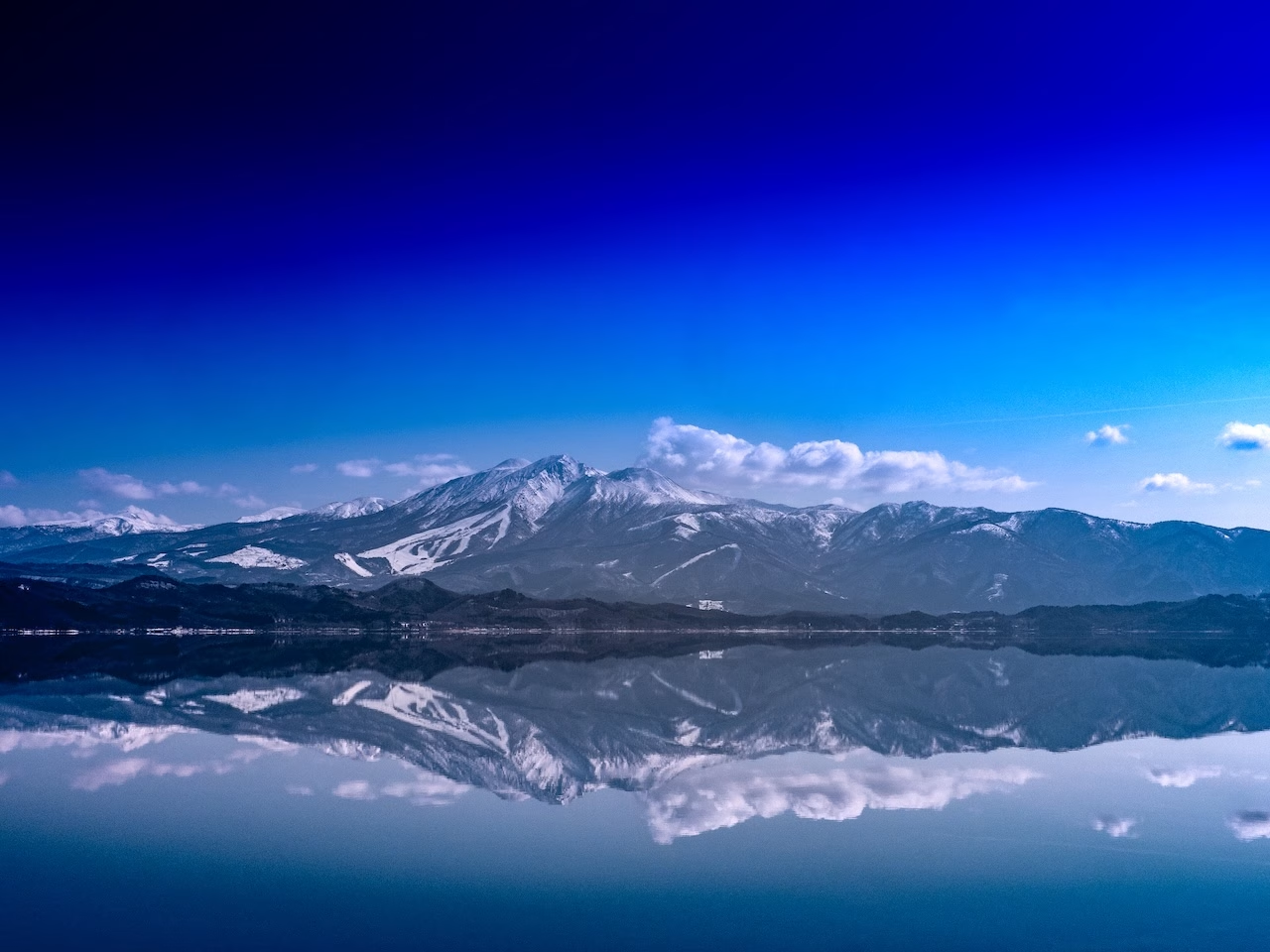
Lake Tazawa is an almost perfectly round lake with a circumference of 20 km, an area of 25.5 km², and a depth of 423.4 m—making it the deepest lake in Japan.
Its waters are a mysterious and beautiful sapphire blue, perfectly befitting the legend of Princess Tatsuko.
Each season brings its own charm:
In spring, soft light shimmers on the surface of the lake.
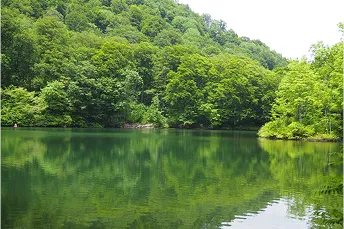
In summer, deep green forests and blue skies surround the water.
In autumn, colorful foliage reflects vividly on the lake.
In winter, the contrast between the pure white snow and the lake’s surface is striking.
The sunrise and sunset are also spectacular.
On calm mornings especially, the lake becomes mirror-like, brilliantly reflecting the morning sun.
Haruyama Lakeside Area
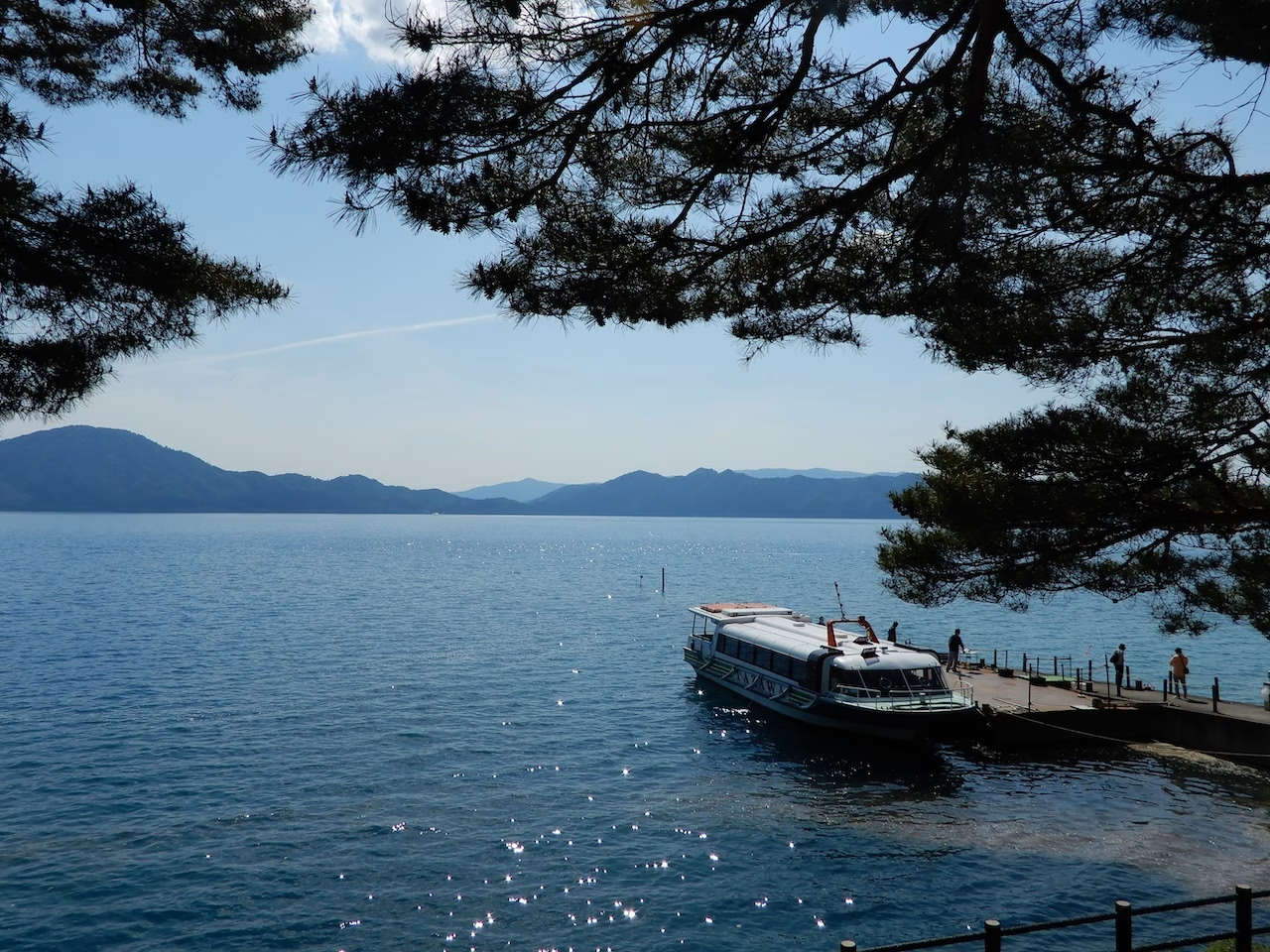
About 12 minutes by bus from JR Tazawako Station, Haruyama serves as the main base for sightseeing around Lake Tazawa.
Hotels, ryokan, and rest houses line the area, and sightseeing boats also depart from here. The Lake Tazawa Marathon in autumn begins at this location.
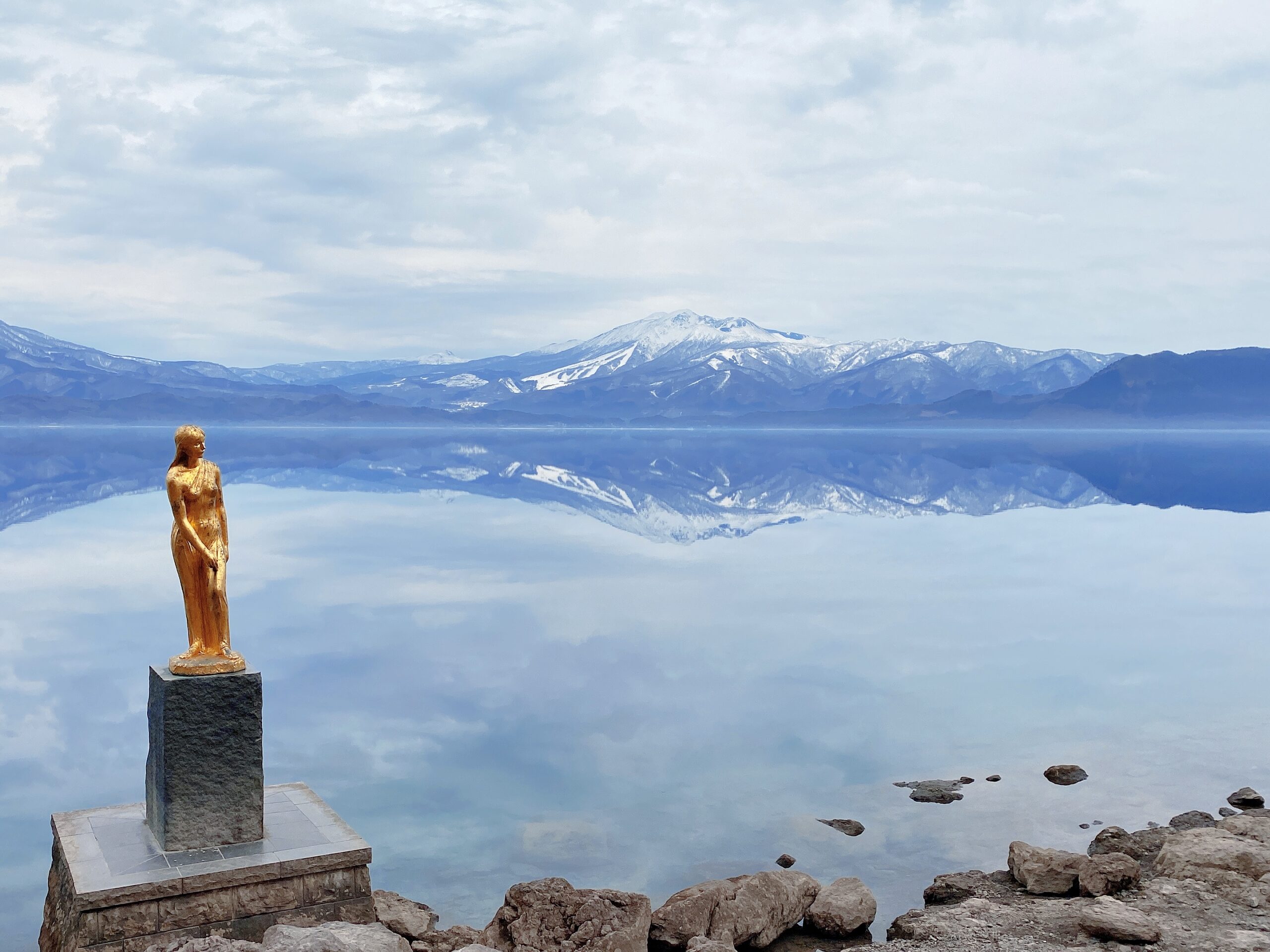
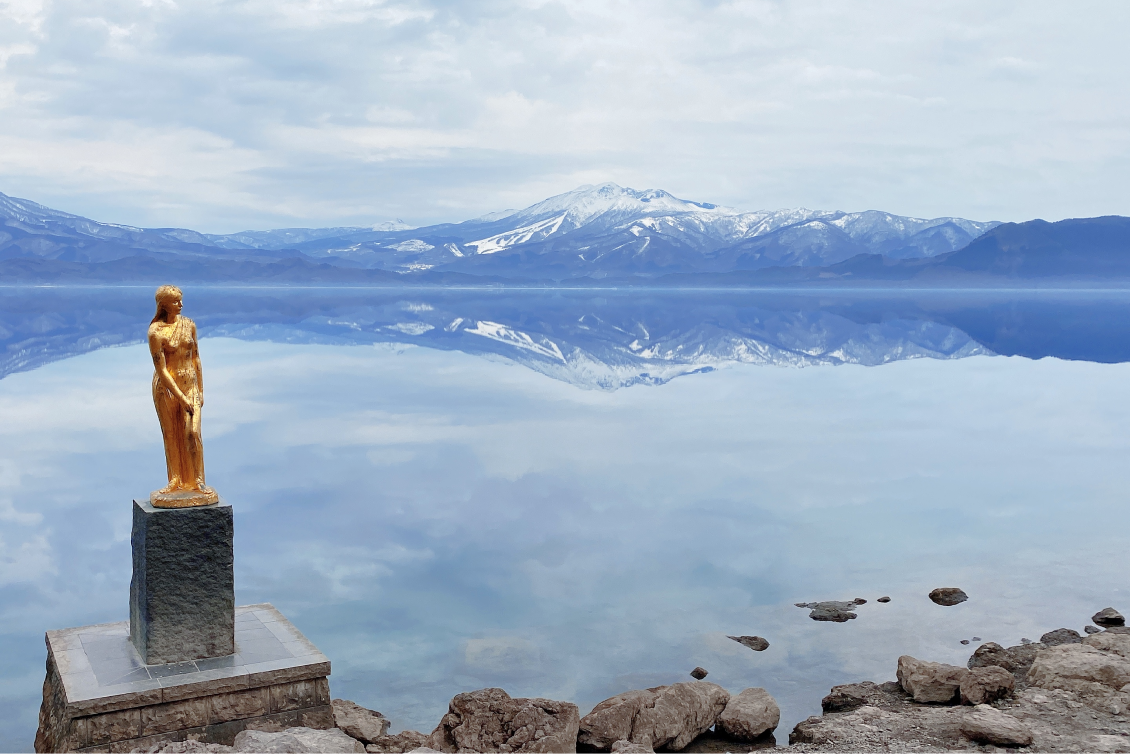
Attractions around the lake include Gozaishi Shrine, which enshrines the lake deity; the statue of Tatsuko—created by former Tokyo University of the Arts professor Yasuda Funakoshi—depicting the legendary heroine; and Kenmin no Mori, a forest featuring trees from various regions.
Visitors can also enjoy activities such as cycling, kayaking, SUP, and camping.
About the Hot Springs in the Lake Tazawa Area
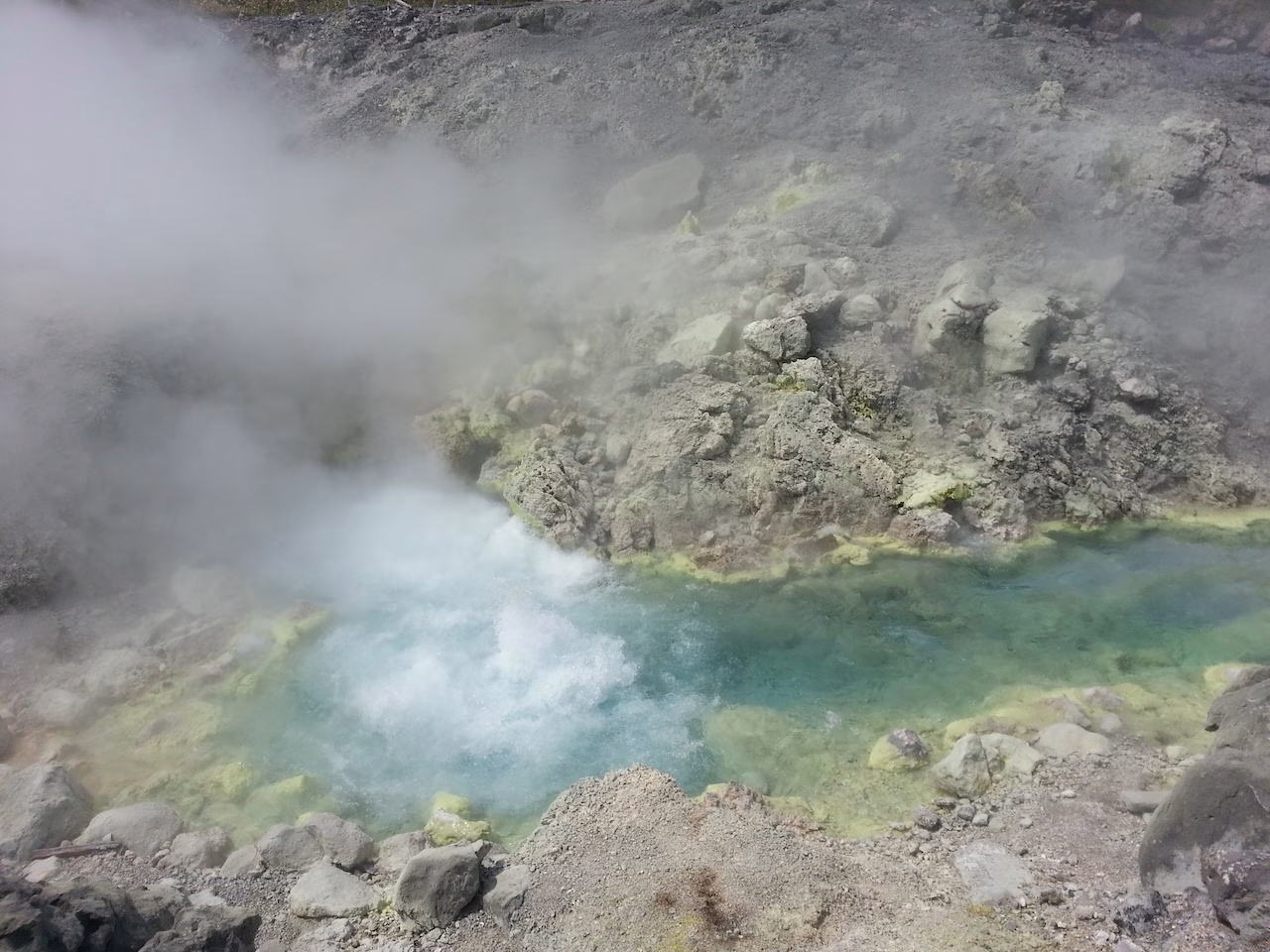
Nestled in the mountains, Nyuto Onsen Village consists of seven secluded hot springs, offering the perfect atmosphere of hidden, traditional baths.
Tazawako Kogen Onsen provides views of Lake Tazawa and Mount Akita Komagatake, and also serves as an entrance for climbing the mountain.
Misuzawa Onsen is located near the Tazawako Ski Resort and features a variety of accommodations, including hotels, ryokan, unique pensions, and guesthouses.
Tamagawa Onsen, boasting the highest natural spring output from a single source in Japan, attracts visitors from all over the country seeking therapeutic hot spring treatments.
The area offers a wide variety of hot spring experiences.
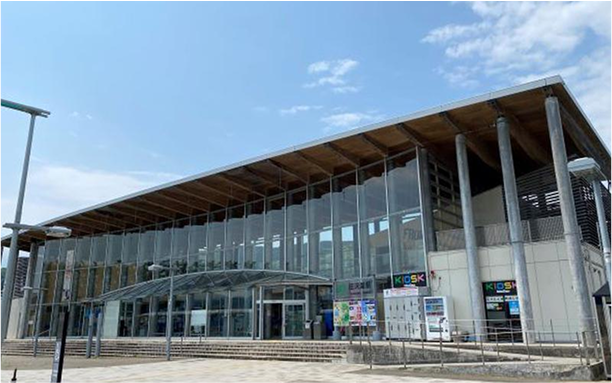
“Lake Tazawa Tourist Information Center Foreiku” is an information office located inside JR Tazawako Station.
We are here to assist you on your journey.
The center is open from 8:30 a.m. to 5:15 p.m., so please feel free to stop by.
Inside JR Tazawako Station
Open 8:30 a.m.–5:15 p.m.
TEL: 0187-43-2111
FAX: 0187-43-2077
TazawakoTazawako, with its deep blue surface and the legend of Princess Tatsuko, is an almost circular lake with a circumference of about 20 kilometer
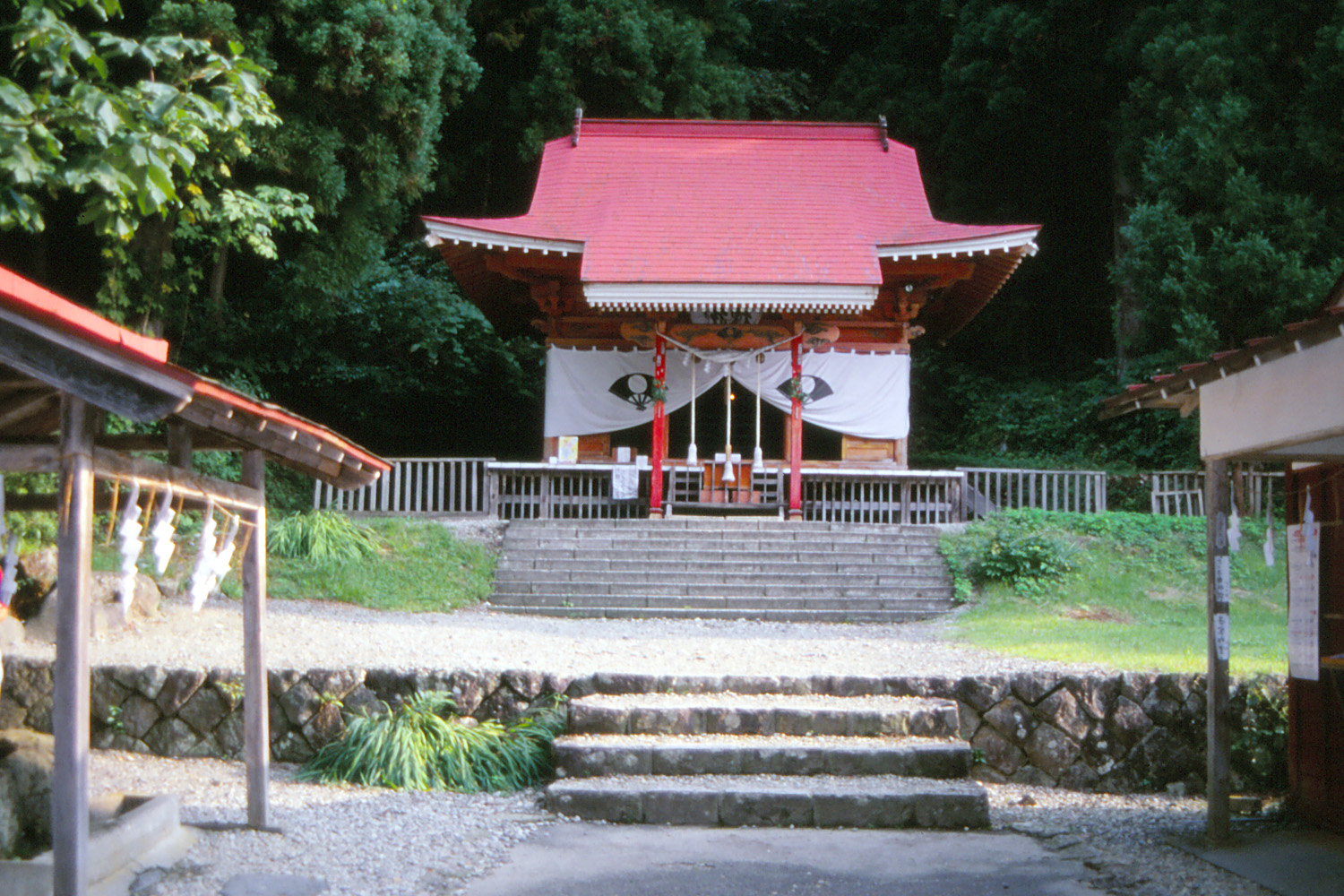
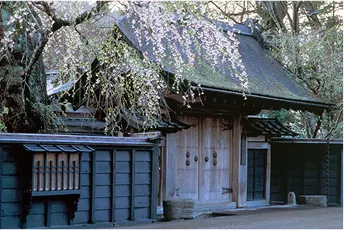
Company name that Gozanoishi jinja, when in 1650 the year (1650) is Akita feudal lord Yoshitaka Satake public was sightseeing the Tazawako, comes from
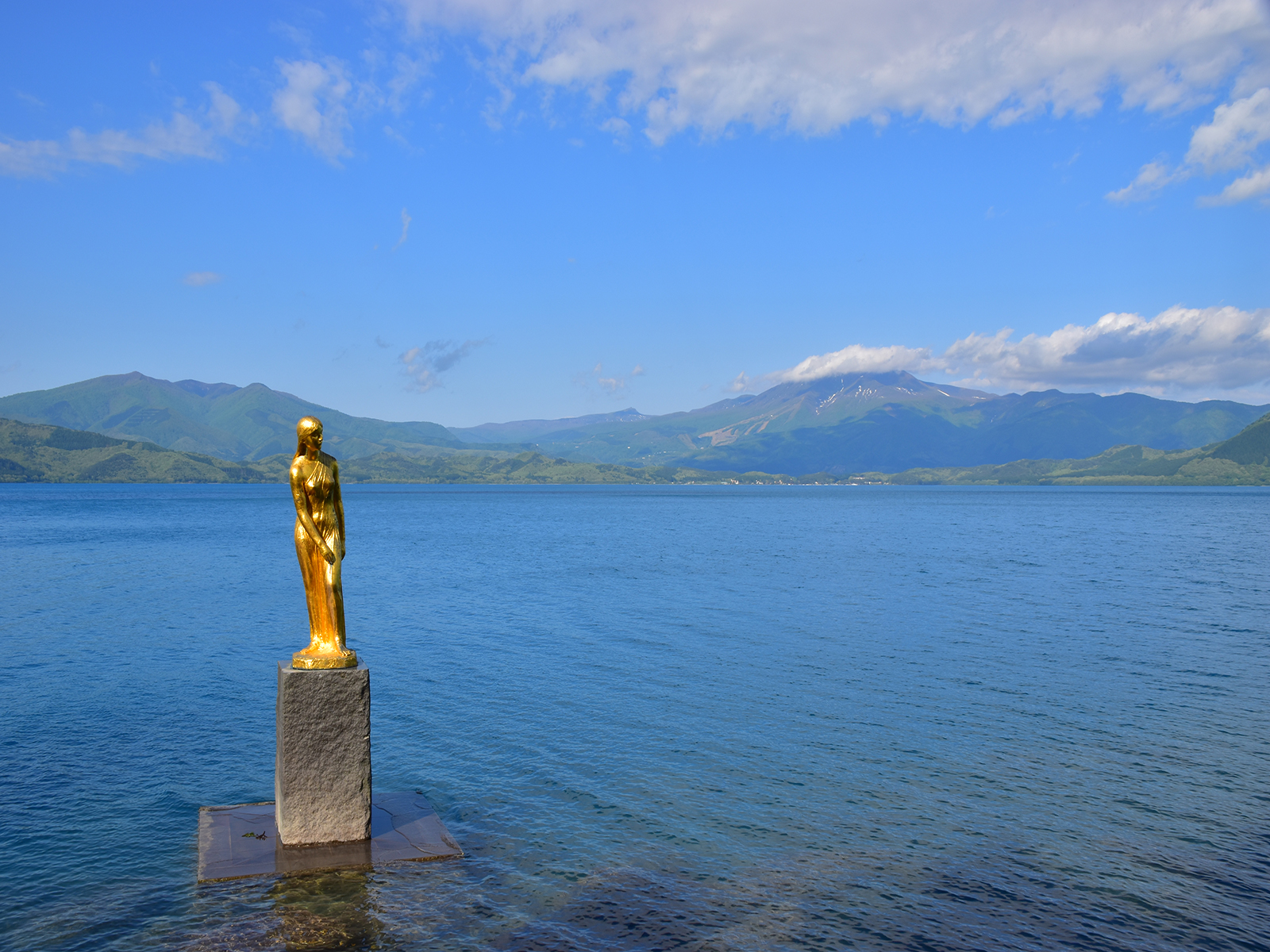
This bronze statue of the legendary beautiful Princess Tatsuko, who is said to have wished for eternal youth and beauty and became the lake goddess, s
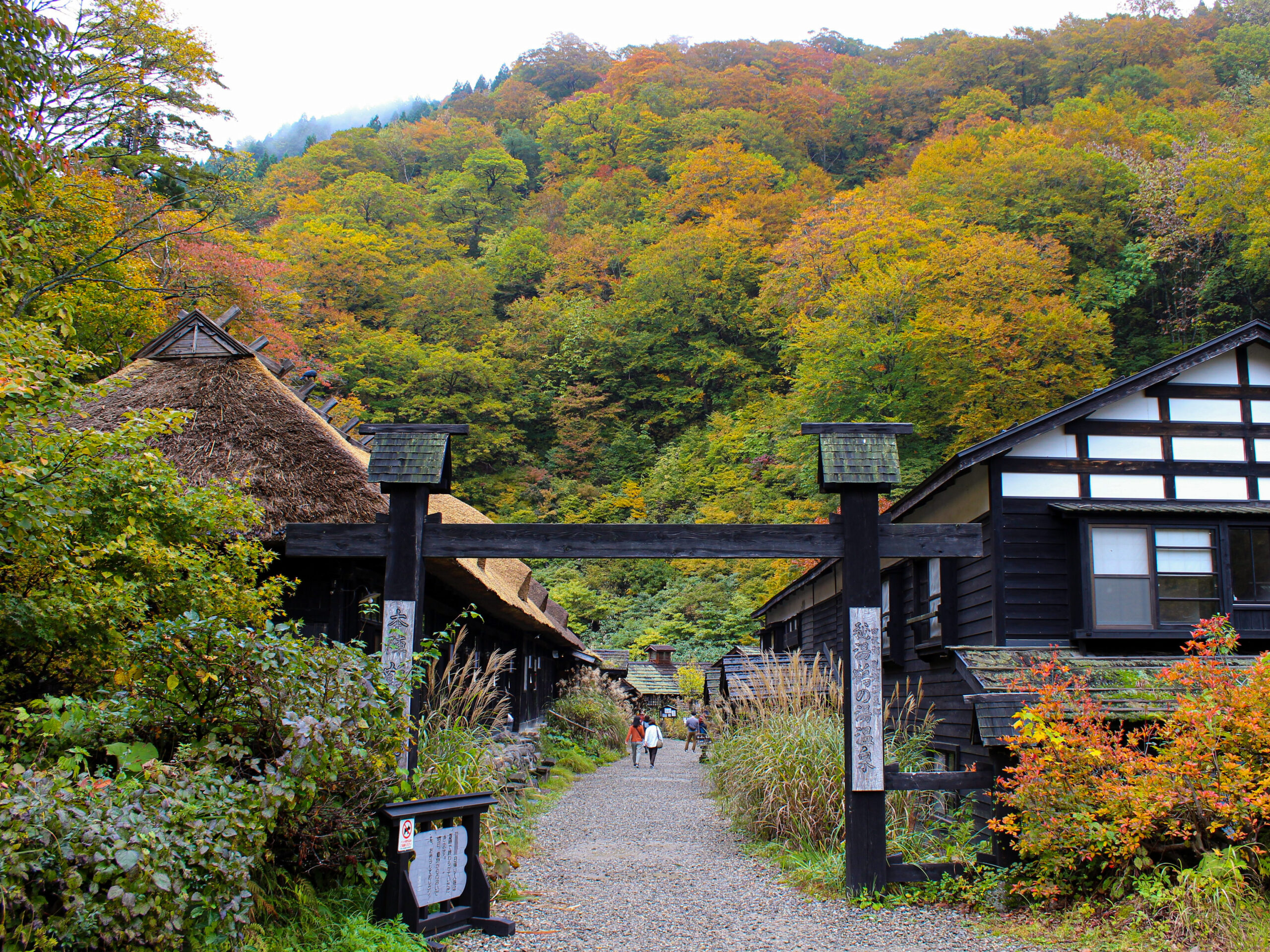
It is no exaggeration to say that it is the most famous hidden hot spring in Japan. The seven hot springs, which retain the atmosphere of a therapeuti