Get to know Tazawako and Kakunodate
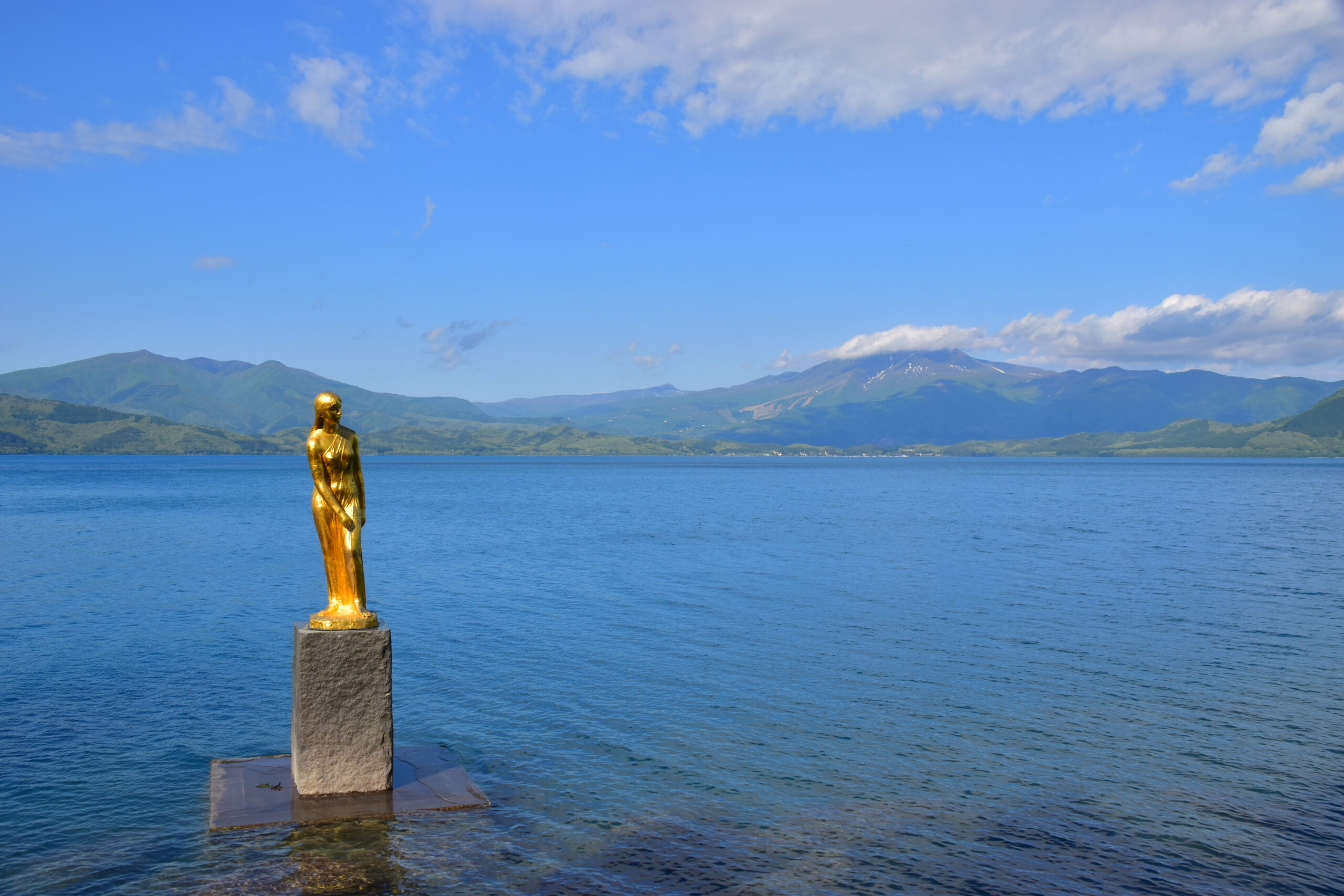
Area Tazawako
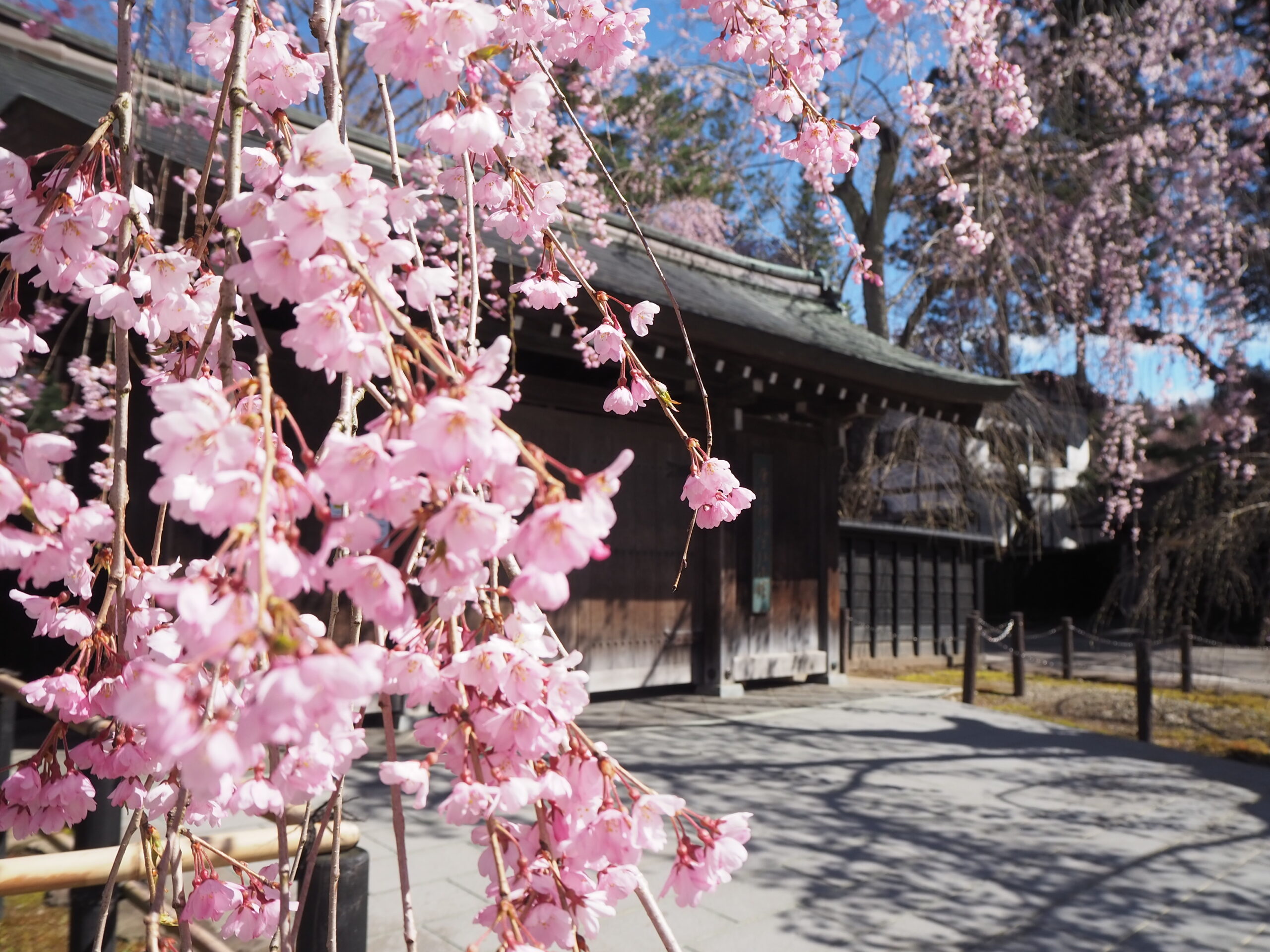
Area Kakunodate
 About this area
On September 20, 2005, the former towns of Tazawako, Kakunodate, and Nishiki merged to form Senboku City.
Semboku City is located in the central eastern part of Akita Prefecture, adjacent to Iwate Prefecture.
It opens up to Akita-Komagatake to the east, Hachimantai to the north, and the Senboku Plain to the south.

Approximately 80% of the region (892.05 square kilometers) is forested, and the rivers flowing from the Ou Mountains are the source of water for the Senboku region.
>The climate is bitterly cold in winter, with average temperatures below freezing throughout the region, but there are differences in both climate and precipitation between the north and south of the region.
The total area is 1,093.56 square kilometers, accounting for 9.4 percent of the entire Akita prefecture.
>This area is home to some of Akita Prefecture's best tourist attractions, including Lake Tazawa, the deepest in Japan, Nyuto Onsen, which has more than 10 different hot springs, and Kakunodate's samurai residence street, where the townscape was established in 1620 (Genwa 6), at the beginning of the Edo period.
Things to do in Lake Tazawa and Kakunodate

Area Guide
Tazawako Area
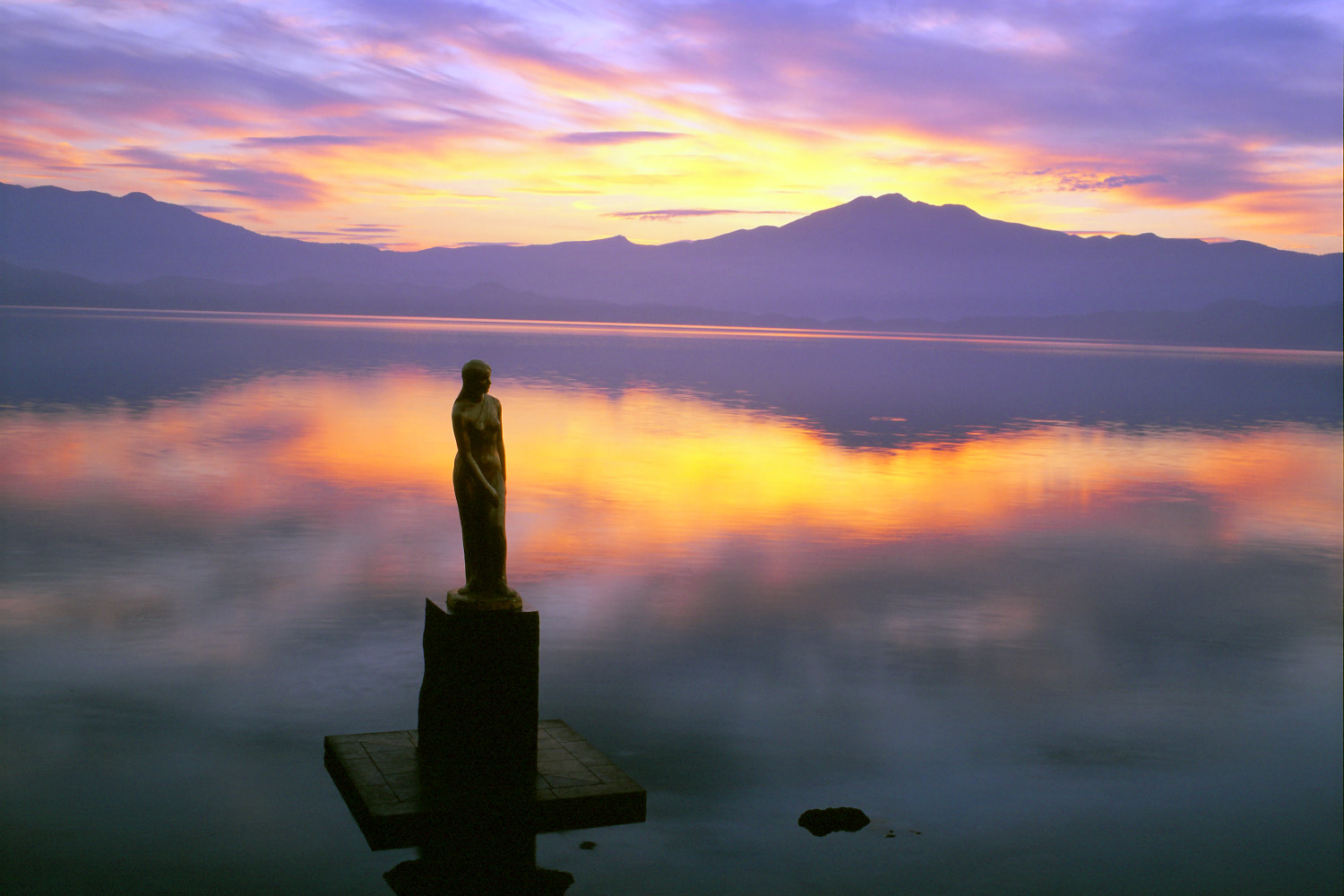
This area is known for Lake Tazawa, the deepest lake in Japan with some of the clearest waters in the country, as well as Nyuto Onsen Village, located within Towada-Hachimantai National Park.
In addition, there are many hot spring inns such as Tazawako Kogen Onsen and Misuzawa Onsen, making it a popular destination for enjoying skiing and open-air hot springs in winter.
Kakunodate Area
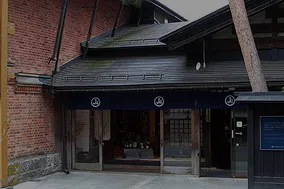
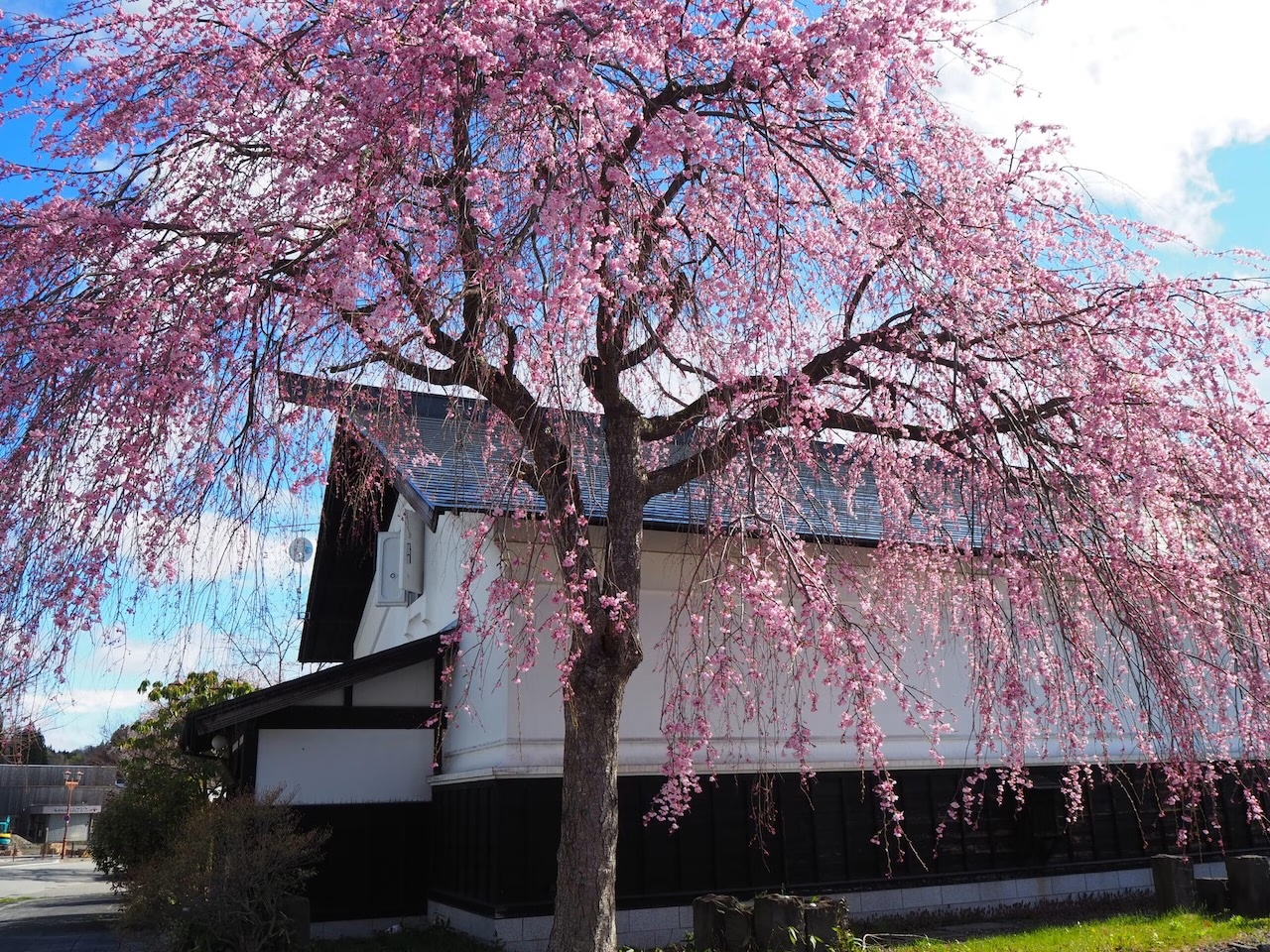
Kakunodate is a town where deep groves of trees and stately samurai residences still retain the atmosphere of the feudal era. Known as the “Little Kyoto of Tohoku,” the entire town exudes an elegant charm and is famed for its cherry blossoms.
The town was established in 1620 (Genna 6) by Ashina Yoshikatsu, who governed the Kakunodate region. Situated in the northern part of the fertile Semboku Plain and surrounded on three sides by mountains—with the Hinokinai River to the west and the Tamagawa River to the south—it was an ideal location for the development of a castle town.
Nishiki Area
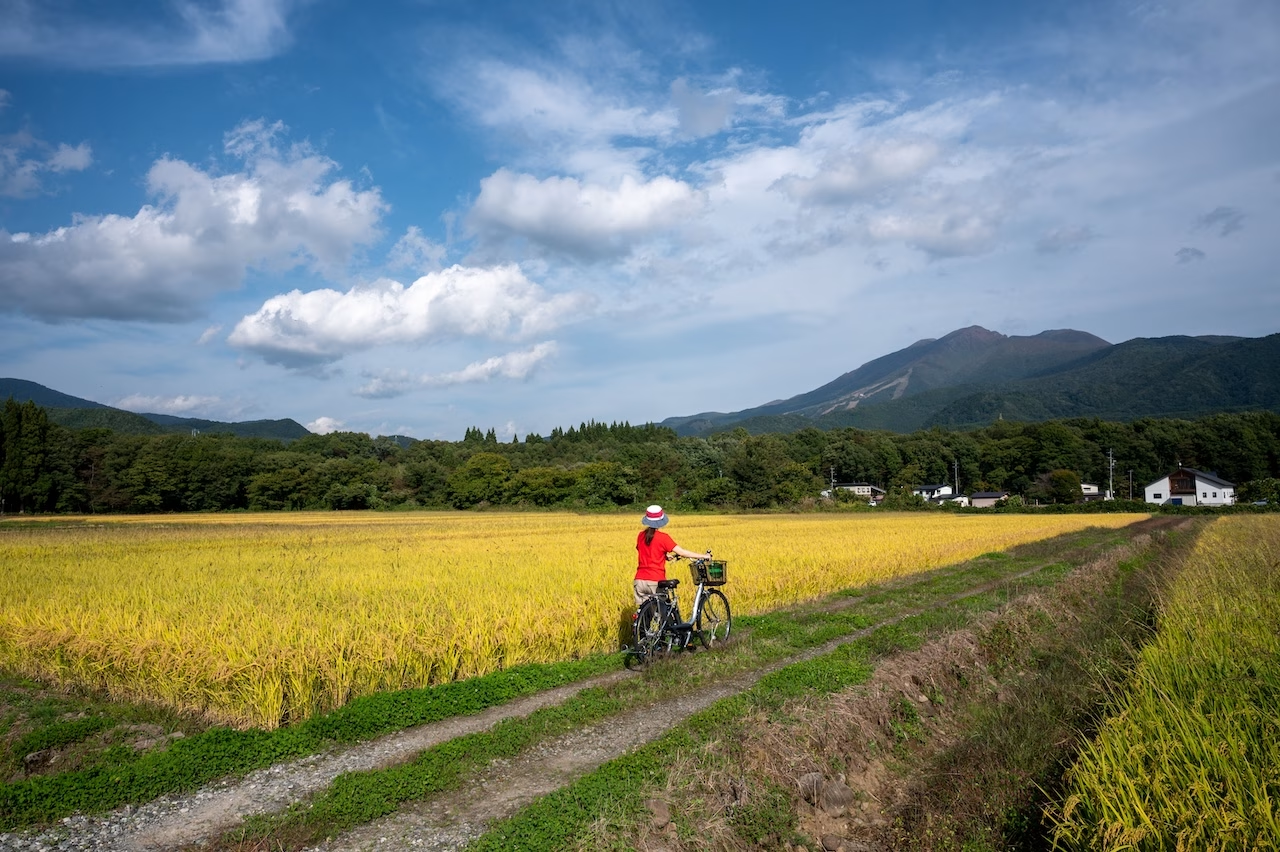
The Nishiki area is characterized by its continuing satoyama landscapes—rural scenery where low mountains and rice fields spread gently across the land. The local Akita Nairiku Line runs through this countryside, weaving between hills and farmlands.
Many farmhouse inns operate in the area, offering guests popular stays where they can enjoy hands-on farming experiences and savor home-style local cuisine. In winter, traditional events unique to Semboku City are held, adding a distinct seasonal charm to the region.
Surrounding Areas
When you look just beyond the borders of Semboku City, you’ll find surrounding areas where you can experience the local way of life and culture on a deeper level. Two representative destinations are the area around Suzuki Shuzō in Daisen City and the region along the Akita Nairiku Line in Kita-Akita City.
Both are easily accessible from Semboku and perfect for a day trip. By visiting these two areas—each with its own unique landscapes, culture, and flow of time—you can gain a richer, more multidimensional understanding of Akita’s true character.