
START
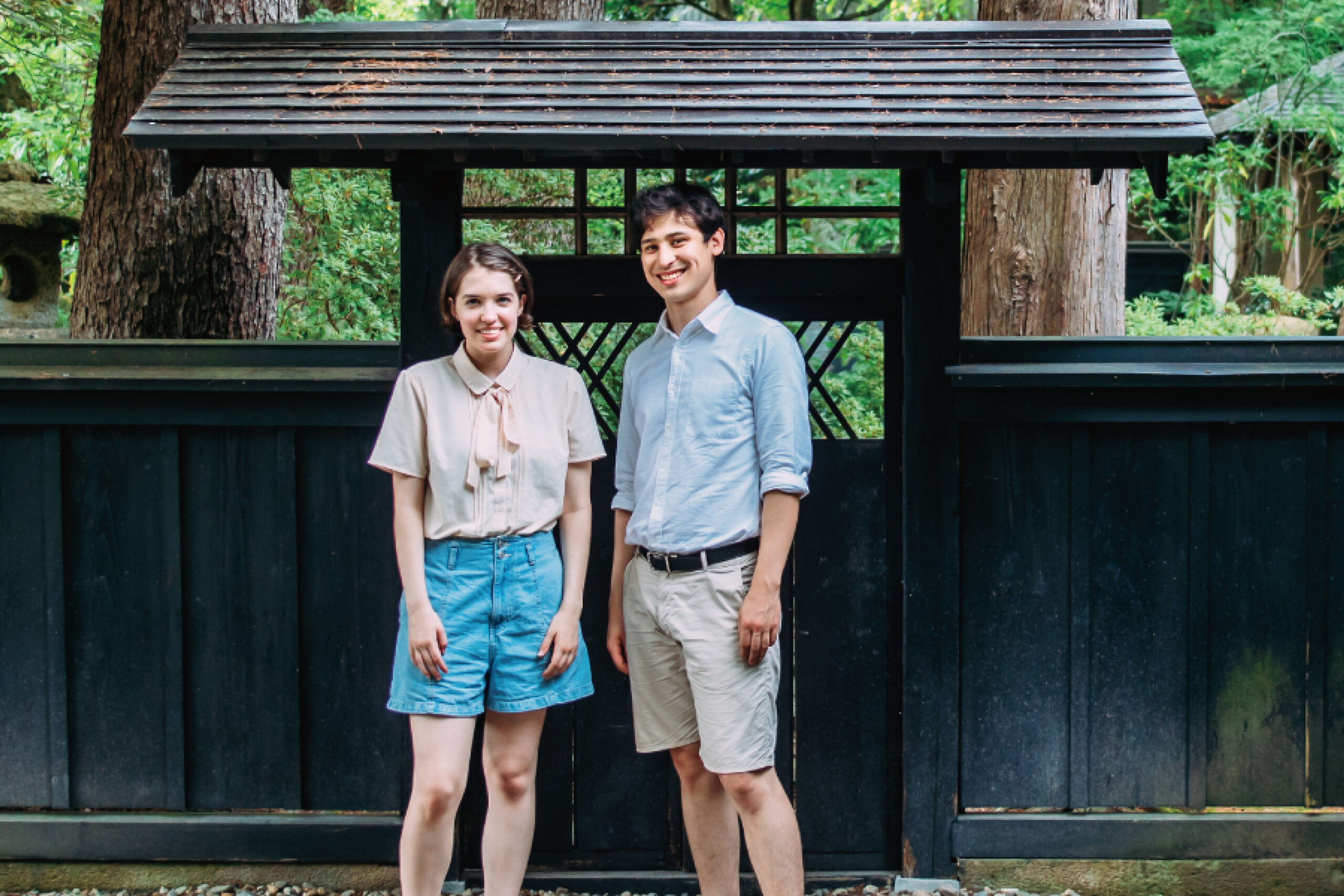
Welcome to Kakunodate
JR East Kakunodate station
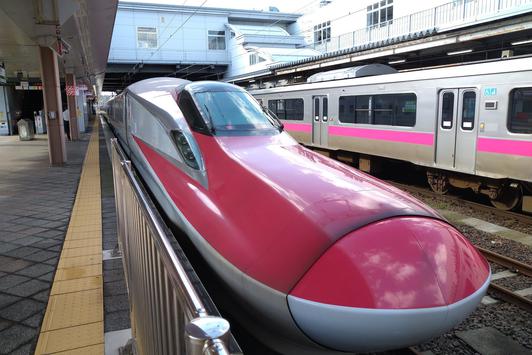
Kakunodate Station has only one exit, so you won't get lost. If you need tourist information, please use the Kakunodate Tourist Information Center Kakunodate Ekimaekura, located right next to the station.
Learn more20 minutes
1
Another samurai residence street
Samurai Residence Street
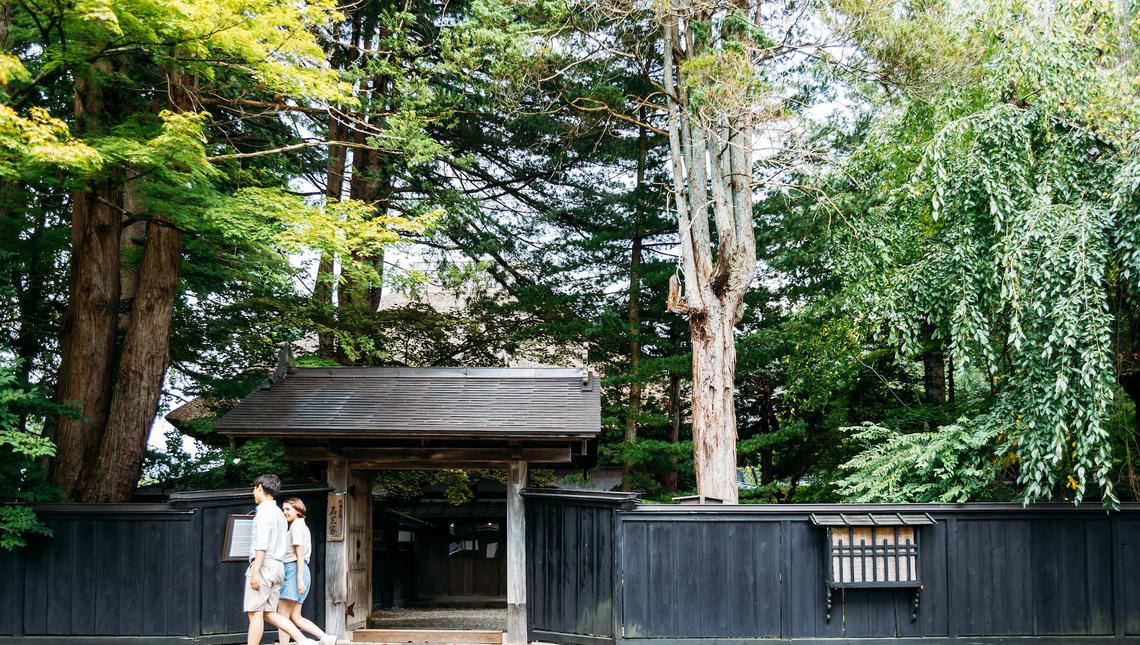
After large-scale urban planning was carried out by the Ashina clan in 1620, at the beginning of the Edo period, Kakunodate flourished as a castle town of the Satake clan. The streets lined with samurai residences are called "Uchimachi" (inner town), and still retain the distinctive features of a samurai town, such as the layout of the residences, main houses, gates, and storehouses from the late Edo period. The main streets of these samurai residences have been designated as an "Important Preservation District for Groups of Traditional Buildings" and are protected as cultural assets. This preservation district is located almost in the center of the old samurai town and corresponds to the samurai residences of upper- and middle-ranking samurai. Walls continue along the wide streets, and large weeping cherry trees and fir trees form deep groves, creating a charming space where you can still feel the way of life of the past.
Learn more10 minutes
2
The only samurai residence in Kakunodate where direct descendants continue to live and pass on the legends of the samurai
Ishiguro family
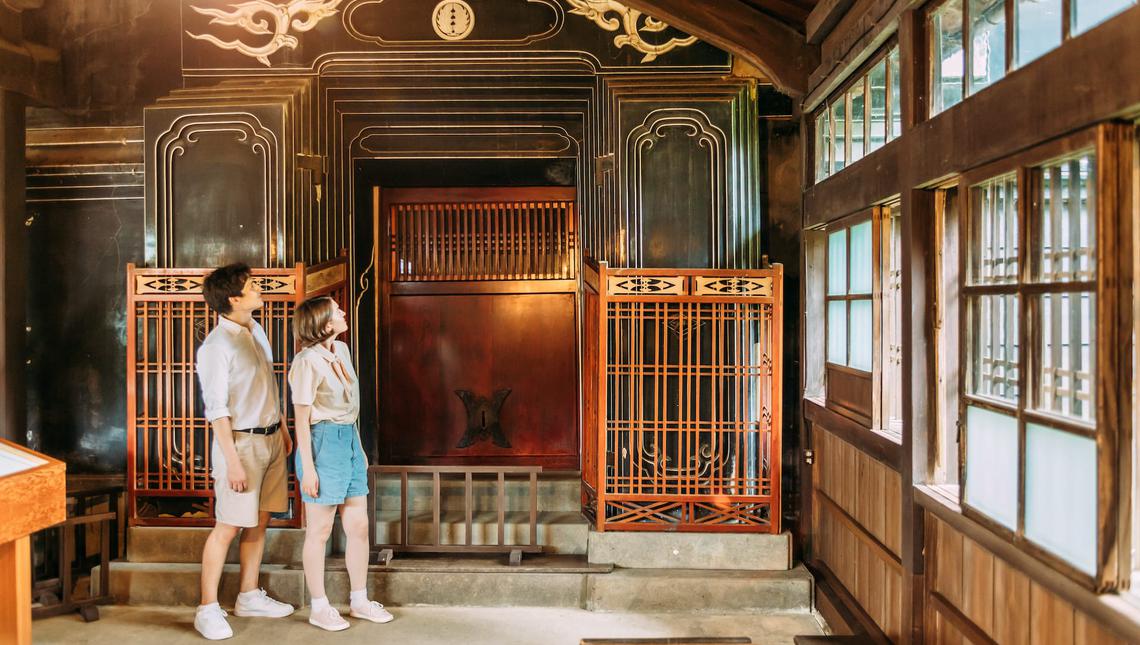
The Ishiguro family is one of six samurai residences remaining in Kakunodate, and direct descendants continue to live in the main house to this day. The main building is the oldest remaining (built in the mid-Edo period, during the Bunka era), and is the only samurai residence in Kakunodate whose descendants continue to live there. You can enter some rooms and tour the house. During tours, staff will provide guided tours and explanations in English about the building's features and traditional Japanese lifestyle.
Learn more15-20 minutes
3
Former castle ruins
Furushiroyama
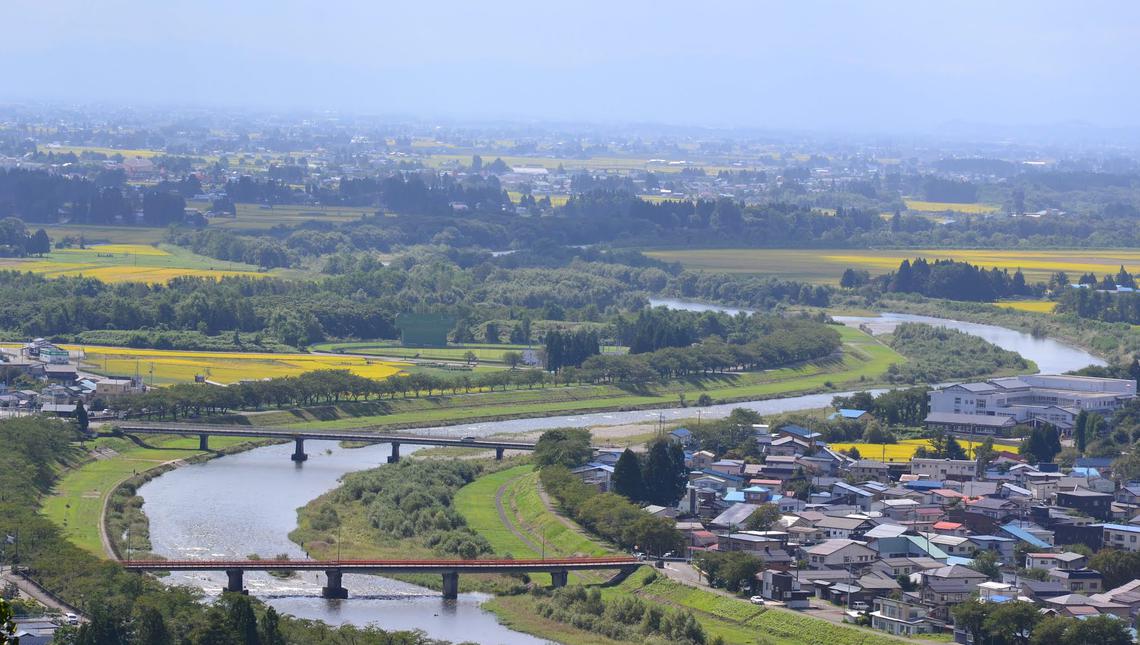
Furushiroyama is a 168m high mountain located in the northern part of Kakunodate city. Currently, a walking trail has been developed as the site of Kakunodate Castle. It is a 15-minute walk to the top of the mountain, and it is a recommended spot from which you can get a panoramic view of Kakunodate city.
Learn more10 minutes
4
Works by local painters, including Hirafuku Hoan and Hyakuho, are on display.
Hirafuku Memorial Museum of Art
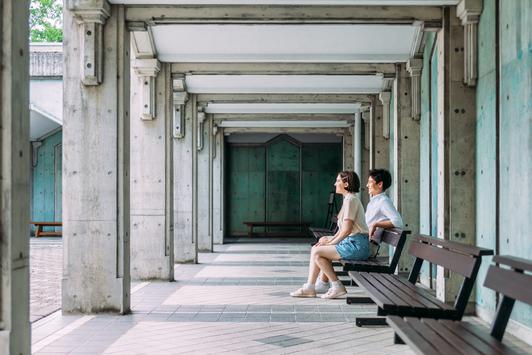
The museum exhibits works by local artists, including masterpieces by modern Japanese painters Hirafuku Hoan and Hotaka Hakuho. The museum is located on the site of the former residence of Ikufumi Satake of the Kita family during the Shoho era. The harmony between the museum building and the remains of the samurai residence is also a highlight.
Learn more10 minutes
5
Semboku City
Kakunodate Kabazaiku Densyokan
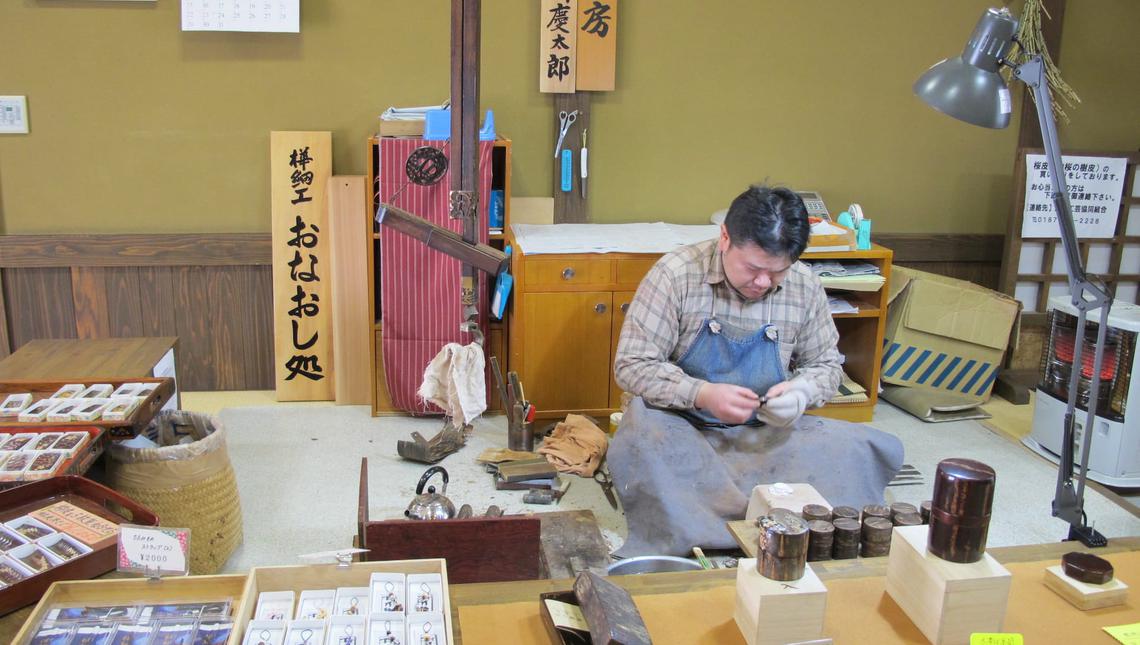
The museum opened in 1984 to promote rattan crafts, which were designated as a national traditional craft. Inside, rattan craft demonstrations are held, allowing visitors to observe the intricate techniques of the artisans up close. Materials related to the town's crafts, culture, and history are also on display. A business center and tea room are also available for visitors to use, allowing visitors to relax and enjoy their time.
Learn more5 minutes
6
A town of merchants and townspeople lined with merchant houses.
Tomachi
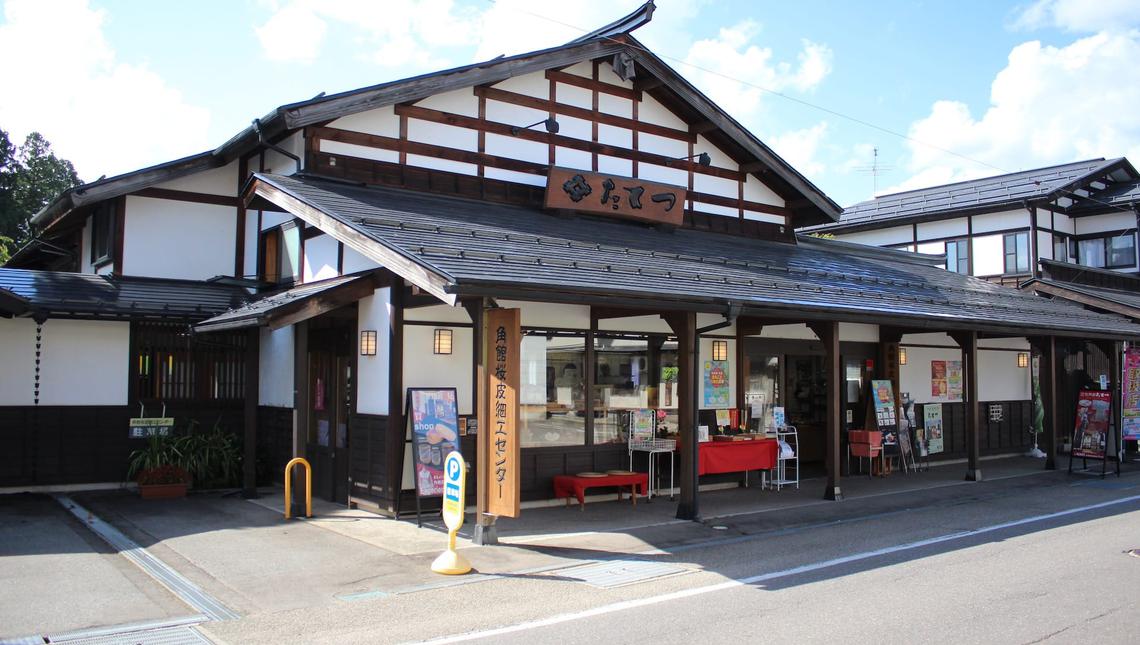
The former merchant town of Tomachi is a counterpart to Uchimachi (the area of samurai residences), and its rows of merchant houses give it a historic feel. Many old buildings and storehouses remain, and today these spaces are cherished and used as shops and restaurants.
Learn more5 minutes
7
Founded in 1853, Ando's miso, soy sauce, and pickles continue to carry on the traditional flavors.
Ando Brewing Main Store
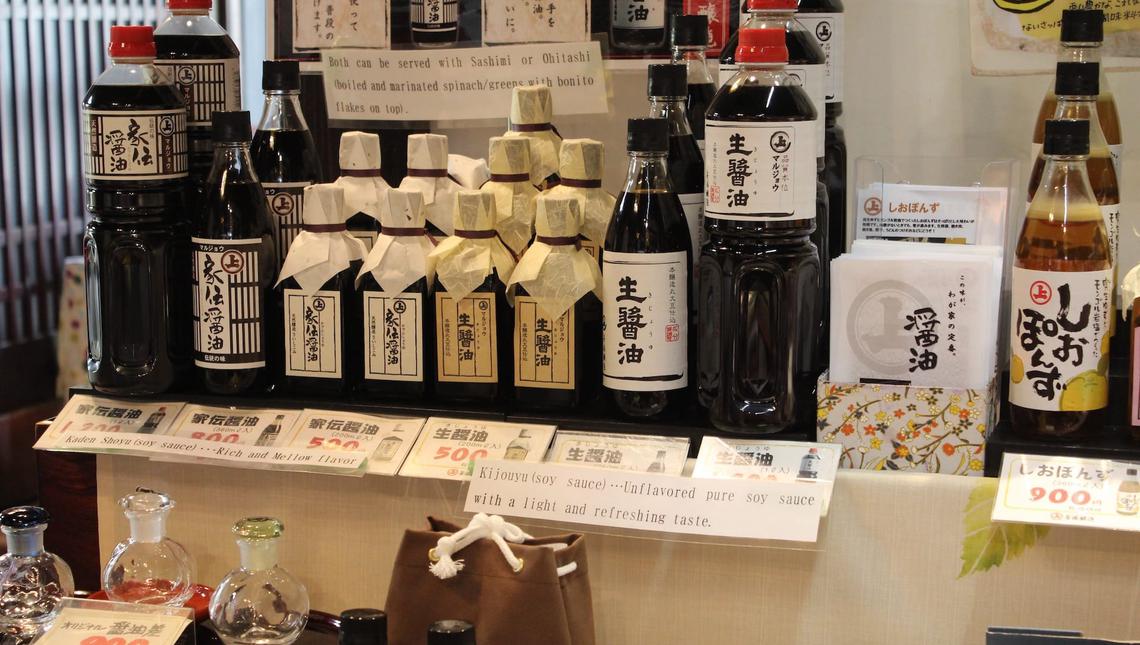
Ando Family Home (City Designated Tangible Cultural Property) The storehouse of Ando Brewery Co., Ltd. in Shimoshinmachi is the oldest surviving storehouse in the Tohoku region. The storehouse facing the street was built in 1891 (Meiji 24) after learning from repeated fires in Tomachi (merchant town). It uses bricks fired at Shiraiwa in Kakunodate, and is currently open to the public as a storehouse parlor.
Learn more10 minutes
8
Menu using seasonal fruits in the parlor
Sakaiya
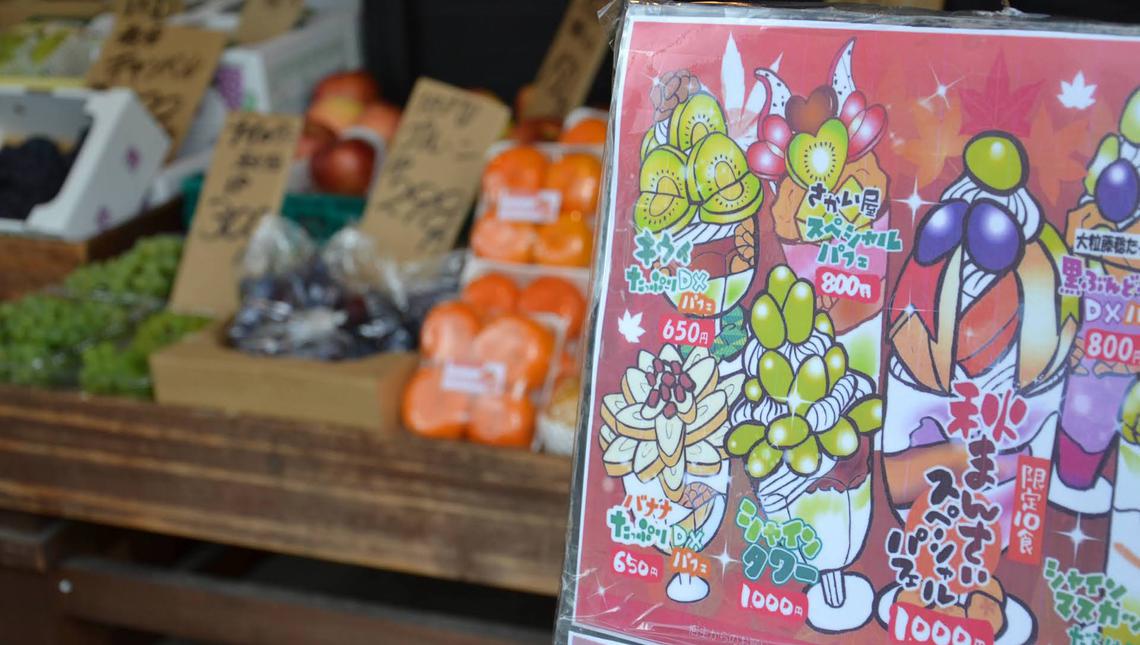
You can purchase seasonal fruits, wild vegetables, and wild mushrooms harvested in Akita at bargain prices. Enjoy light meals made with seasonal fruits in the parlor inside the store.
Learn more5 minutes
GOAL